
![[aggregator] downloaded image for imported item #87410](https://newsview.top/wp-content/uploads/2026/06/woman-waking-up-after-insomnia-1024x576.jpg "This one question may reveal whether your body is getting the rest it needs, study finds")
This post was originally published on this site.
Feeling older than your actual age could be a sign that you’re not getting enough quality sleep, according to new research.
A study led by researchers at the National Sleep Foundation and published in the journal Sleep found that adults who felt older than their chronological age were more likely to reportinsomnia symptoms, irregular sleep patternsand daytime fatigue.
The study involved more than 3,100 adults, who were asked a simple question: “How old do you feel?”
HERE’S WHY 90% OF AMERICANS DON’T SLEEP THROUGH THE NIGHT, ACCORDING TO EXPERT
Researchers then compared participants’ answers with measures ofsleep quality, sleep consistency and daytime functioning.
People who felt older than their actual age consistently reported poorer sleep and greater sleep-related impairment than those who felt younger or closer to their chronological age.
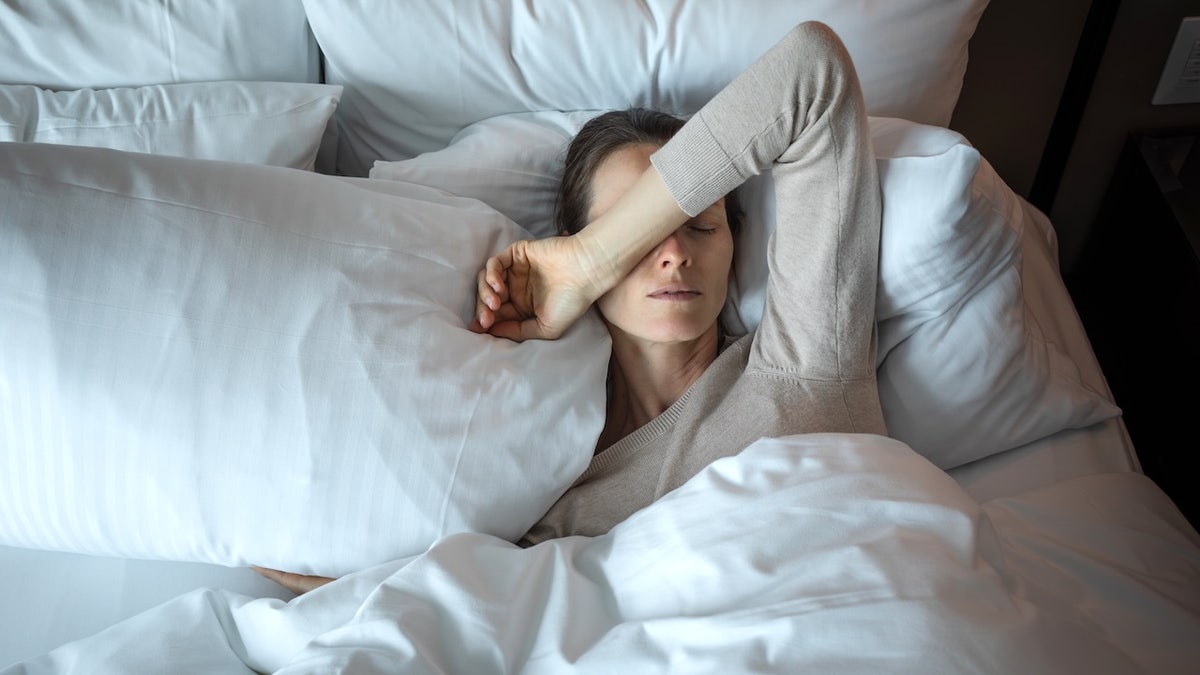
Feeling older than your actual age may indicate that you’re not getting enough high-quality sleep, new research suggests.(iStock)
Researchers also found that people who felt older than their age were more likely to reportpoorer physical health.
“I’ve worked with many people who come in saying they feel older than they are.They’re exhausted, mentally foggy, less patient, less motivated and generally not functioning at their best,” Alpert said.“Poor sleep is often a major part of the picture.”
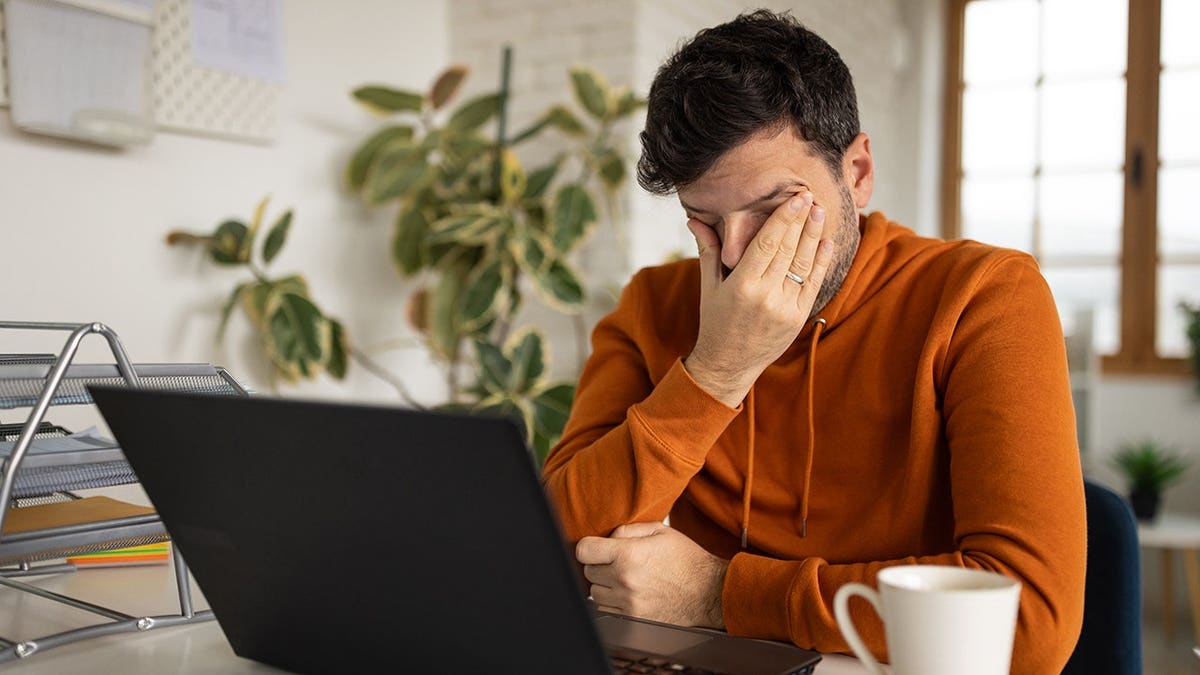
Experts say insufficient sleep can make everyday demands feel more overwhelming and reduce a person’s ability to concentrate.(iStock)
Over time, he said, those challenges can contribute to afeeling of premature aging.
“Many people assume feeling older is just an inevitable part of aging, but sometimes the issue is simply that they’rechronically sleep-deprived,” Alpert said.
For that reason, he suggested looking at sleep habits before assuming fatigue and low energy are simply consequences of getting older.

The findings showed that people who felt older than their chronological age consistently experienced worse sleep and more sleep-related impairment than those who felt younger or closer to their actual age.(iStock)
For now, Alpert said the findings offer a reminder that fatigue should not automatically be blamed on getting older.
While the findings were notable, there are several limitations to consider.
onelink.me/xLDS?pid=AppArticleLink&af_web_dp=https%3A%2F%2Fwww.
The study relied on self-reported survey responses, meaning participants provided information about both their perceived age and sleep habits.The observational design also means the research cannot determine whether poor sleep influences how old a person feels or vice versa.
![[aggregator] downloaded image for imported item #71766](https://newsview.top/wp-content/uploads/2026/04/young-man-watching-tv-nachos-fox-news-001-1024x576.jpeg "Dementia risk rises with common food type millions eat every day, study suggests")
![[aggregator] downloaded image for imported item #72089](https://newsview.top/wp-content/uploads/2026/04/damon-wayans-major-payne-fox-news-001-1024x576.jpeg "Damon Wayans reveals the scary symptom that led to his type 2 diabetes diagnosis")
![[aggregator] downloaded image for imported item #72082](https://newsview.top/wp-content/uploads/2026/04/doctor-patient-brain-scan-1024x576.jpg "Fish oil supplements linked to slower brain repair in some patients, study finds")
![[aggregator] downloaded image for imported item #72376](https://newsview.top/wp-content/uploads/2026/04/man-bathroom-hemorrhoid-toilet-research-1024x576.jpg "Simple diet change could relieve painful bathroom symptoms, experts say")