
![[aggregator] downloaded image for imported item #72082](https://newsview.top/wp-content/uploads/2026/04/doctor-patient-brain-scan-1024x576.jpg "Fish oil supplements linked to slower brain repair in some patients, study finds")
This post was originally published on this site.
Fish oil might not be the brain booster you think it is, new research suggests.
The supplement has been touted for itsprotective benefits, derived from its key component, omega-3 fatty acids.In addition to capsules, it is increasingly appearing in drinks, dairy alternatives and snack products.
Researchers recently found that for certain people, specifically those who have sustained repeatedmild head injuries, fish oil might do more harm than good.
YOUR BRAIN DOESN’T AGE THE WAY YOU THINK — NEW RESEARCH UPENDS OLD BELIEFS
“Fish oil supplementsare everywhere, and people take them for a range of reasons, often without a clear understanding of their long-term effects,” lead author Onder Albayram, PhD, a neuroscientist and associate professor at the Medical University of South Carolina and a member of the National Trauma Society Committee, said in a press release.
In terms of neuroscience, he said, “we still don’t know whether the brain has resilience or resistance to this supplement.”
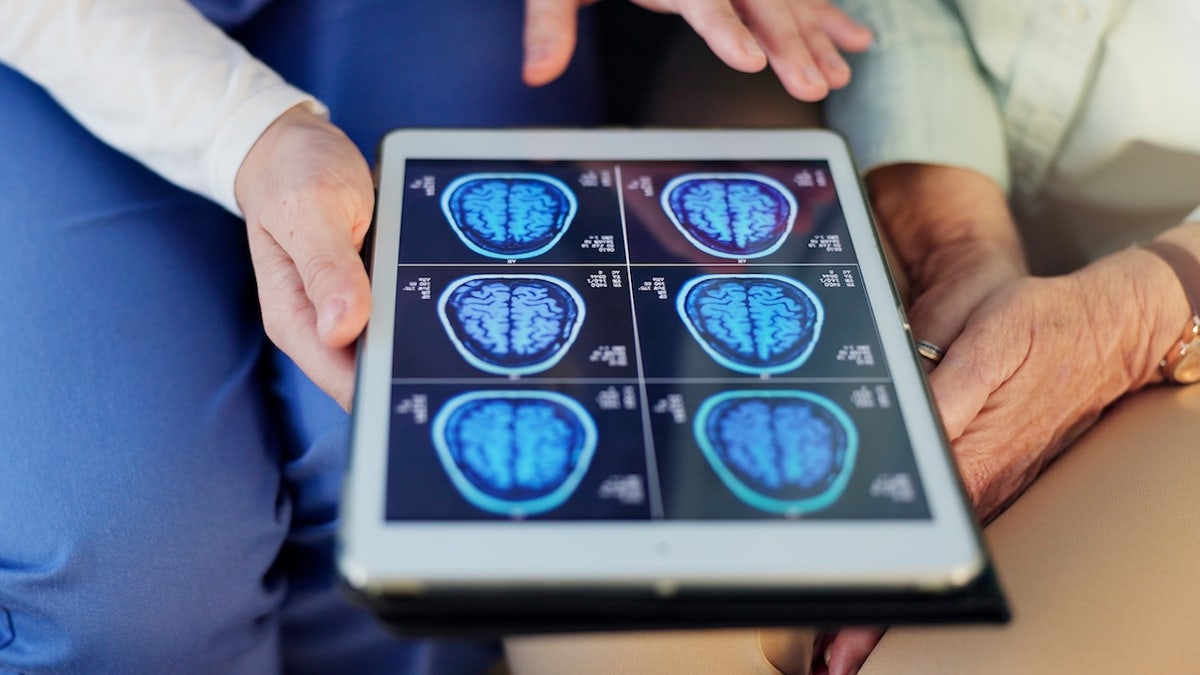
High doses of fish oil may actually hinder the brain’s ability to repair itself specifically after repeated mild head injuries or concussions, researchers found.(iStock)
MUSC researchers found that a specific part of fish oil called EPA — an omega-3 fatty acid — can interfere with how thebrain heals itselfafter an injury.Instead of protecting the brain, long-term use of fish oil appeared to make it more vulnerable.
blood vesselsless stable.After an injury, these vessels need to be strong to help the brain repair itself, the researchers noted.

The study identified EPA, a specific omega-3 fatty acid, as the component that weakens blood vessel integrity and blocks essential healing signals in the brain.(iStock)
The chemical also blocked the repair signals that the brain usually sends out after experiencing physical trauma.
Additionally, fish oil use was linked to a buildup of a protein called tau, which is often associated withlong-term brain diseases.

The findings suggest that the health impact of supplements depends heavily on individual circumstances, such as whether a person is at risk for head trauma.(iStock)
Most of the core findings were observed in mice, and since human brains are much more complex, the results may not translate perfectly to people, the researchers acknowledged.
onelink.me/xLDS?pid=AppArticleLink&af_web_dp=https%3A%2F%2Fwww.
Also, because the findings are focused specifically on “repeated mild head injuries,” they may not apply to people who have not experienced head trauma and are takingfish oil for heart healthor other reasons.
TEST YOURSELF WITH OUR LATEST LIFESTYLE QUIZ
The findings were published in the journal Cell Reports.
![[aggregator] downloaded image for imported item #71457](https://newsview.top/wp-content/uploads/2026/04/heat-stroke-1-1024x576.jpg "Heart attacks and strokes rising with extreme weather events, research suggests")
![[aggregator] downloaded image for imported item #71766](https://newsview.top/wp-content/uploads/2026/04/young-man-watching-tv-nachos-fox-news-001-1024x576.jpeg "Dementia risk rises with common food type millions eat every day, study suggests")
![[aggregator] downloaded image for imported item #72089](https://newsview.top/wp-content/uploads/2026/04/damon-wayans-major-payne-fox-news-001-1024x576.jpeg "Damon Wayans reveals the scary symptom that led to his type 2 diabetes diagnosis")
![[aggregator] downloaded image for imported item #72376](https://newsview.top/wp-content/uploads/2026/04/man-bathroom-hemorrhoid-toilet-research-1024x576.jpg "Simple diet change could relieve painful bathroom symptoms, experts say")