
![[aggregator] downloaded image for imported item #77344](https://newsview.top/wp-content/uploads/2026/05/lab-mice-1024x576.jpg "Simple body movement could help the brain 'clean itself,' researchers find")
This post was originally published on this site.
Exercise is widely known tobenefit the brain, and researchers at Penn State recently uncovered a surprisingly mechanical reason: Each time the body moves, the brain gets a kind of “rinse.”
According to a study published in Nature Neuroscience, the secret to this internal wash cycle may lie in the abdominal muscles.
In mice models, the researchers found that the brain is mechanically linked to the abdomen through a network of blood vessels that functions like a hydraulic system.
FITNESS EXPERT REVEALS SIMPLE RULE TO GET IN SHAPE WITHOUT DREADING THE GYM: ‘JUST MOVE’
“Every time the mice contract their abdominal muscles — like when they walk — blood moves from the abdomen into the spinal canal,” said lead study author Patrick Drew, professor of engineering science and mechanics, neurosurgery, biology and biomedical engineering at Penn State, in a press release.
This movement of blood applies a tiny amount ofpressure to the brain, causing it to physically shift or “sway” slightly within the skull.

The researchers found that in mice, the brain is mechanically linked to the abdomen through a network of blood vessels.(iStock)
This subtle brain movement occurs within a system where the brain is surrounded by cerebrospinal fluid (CSF), a clear liquid that acts as a cleaning agent.
onelink.me/xLDS?pid=AppArticleLink&af_web_dp=https%3A%2F%2Fwww.
Scientists have long believed that CSF helpsflush out cellular wastethat, if left to accumulate, is linked to neurodegenerative diseases like Alzheimer’s, according to Drew.
By using advanced computer simulations, the team discovered that when the brain moves, it can drive fluid movement in the brain.
TEST YOURSELF WITH OUR LATEST LIFESTYLE QUIZ
The physical displacement drives the flow of CSF through the brain’s tissues, potentially carrying away harmful waste products.
“Our research explains how just moving around might serve as an important physiological mechanism promotingbrain health,” Drew said.

By using advanced computer simulations, the team discovered that when the brain moves, it can drive fluid movement in the brain.(iStock)
To confirm that abdominal pressure was the primary driver, the researchers tested the effect on the mice.
Even without exercise or general movement, simply applying gentle pressure to a mouse’s belly — less pressure than a human feels during a standardblood pressuretest — was enough to shift the brain and trigger fluid flow, they found.
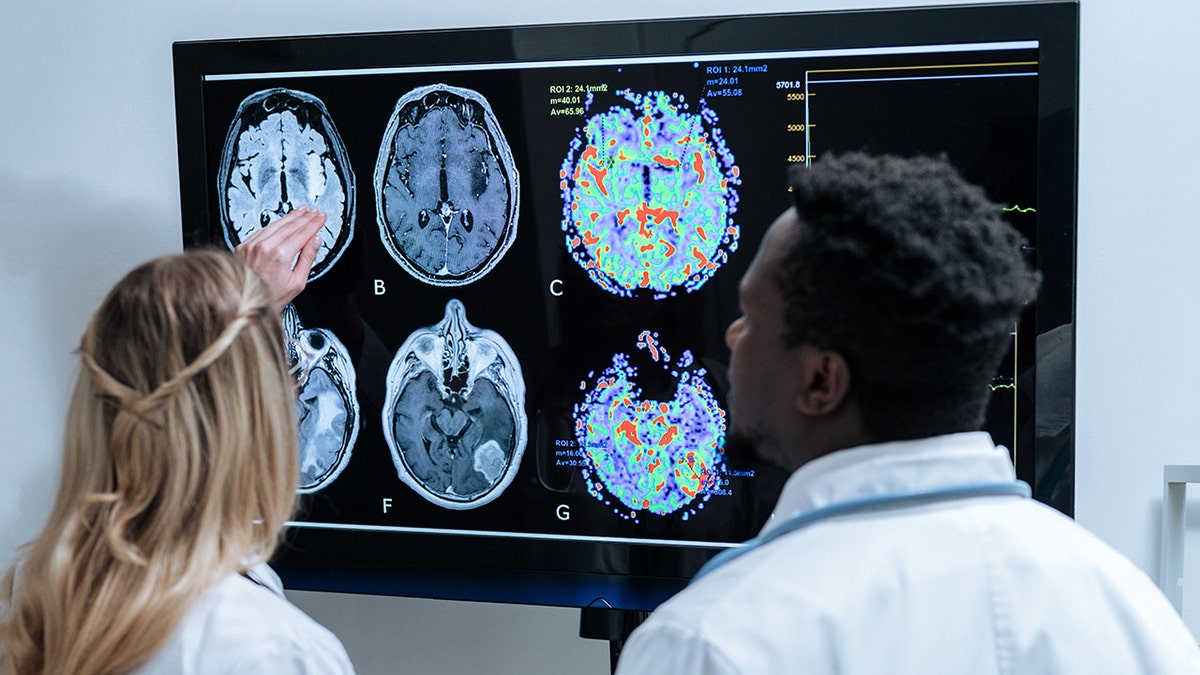
The researchers found that even without exercise or general movement, simply applying gentle pressure to a mouse’s belly was enough to shift the brain and trigger fluid flow.(iStock)
There were a few caveats, the researchers acknowledged.Becausethe studyused mice and not humans, more research is needed to determine whether the results apply to people.
![[aggregator] downloaded image for imported item #61781](https://newsview.top/wp-content/uploads/2026/04/prisoner-holding-piece-of-paper-1024x576.jpg "Drug-soaked paper is killing inmates amid reports of prison smuggling trends")
![[aggregator] downloaded image for imported item #62068](https://newsview.top/wp-content/uploads/2026/04/woman-spray-cleaning-counter-1024x576.jpg "Antibacterial products may contribute to dangerous superbug crisis, study suggests")
![[aggregator] downloaded image for imported item #62349](https://newsview.top/wp-content/uploads/2026/04/man-eating-vegetables-fruits-salt-1024x576.jpeg "Simple dinner table habit linked to poor diet and higher health risks in adults over 60")
![[aggregator] downloaded image for imported item #62341](https://newsview.top/wp-content/uploads/2026/04/crohns-disease-1024x576.jpg "Deadly bacterial disease could be stopped with common pantry staple, study suggests")