
![[aggregator] downloaded image for imported item #62341](https://newsview.top/wp-content/uploads/2026/04/crohns-disease-1024x576.jpg "Deadly bacterial disease could be stopped with common pantry staple, study suggests")
This post was originally published on this site.
Cholera can quickly become life-threatening, but the best defense might be sitting in your pantry.
New research from UC Riverside in Southern California reveals that ahigh-protein dietcan effectively “disarm” the bacteria, slash infection levels by 100-fold, and stop the disease in its tracks before it turns fatal.
Published in the journal Cell Host and Microbe, the study found that diets rich in casein, the main protein in milk and cheese, along with wheat gluten, could limit cholera bacteriain the gut.
PEOPLE WITH A CERTAIN BMI ARE MORE PRONE TO DEADLY INFECTIONS, STUDY REVEALS
Cholera is abacterial diseasespread through contaminated water and food, according to the Centers for Disease Control and Prevention.The disease can cause severe diarrhea, dehydration and even death if it goes untreated.

Cholera is a bacterial disease spread through contaminated water and food, according to the Centers for Disease Control and Prevention.(iStock)
The research team aimed to determine whether harmful bacteria would respond todietary changesin the same way as other bacteria.
They began by feeding infected mice different foods.Some mice ate high-protein diets, while others ate food high in simple carbohydrates.Others were fed high-fat diets, according to the study’s press release.
SPACE EXPERIMENTS REVEAL NEW WAY TO FIGHT DRUG-RESISTANT SUPERBUGS, SCIENTISTS SAY
“The high-protein diet had one of the strongest anti-cholera effects compared to abalanced diet– and not all proteins are the same,” said Ansel Hsiao, UCR associate professor and senior author of the study, in the release.“Casein and wheat gluten were the two clear winners.”
Hsiao said he was surprised by the magnitude of the effect.“We saw up to 100-fold differences in the amount of cholera colonization as a function of diet alone,” he noted.
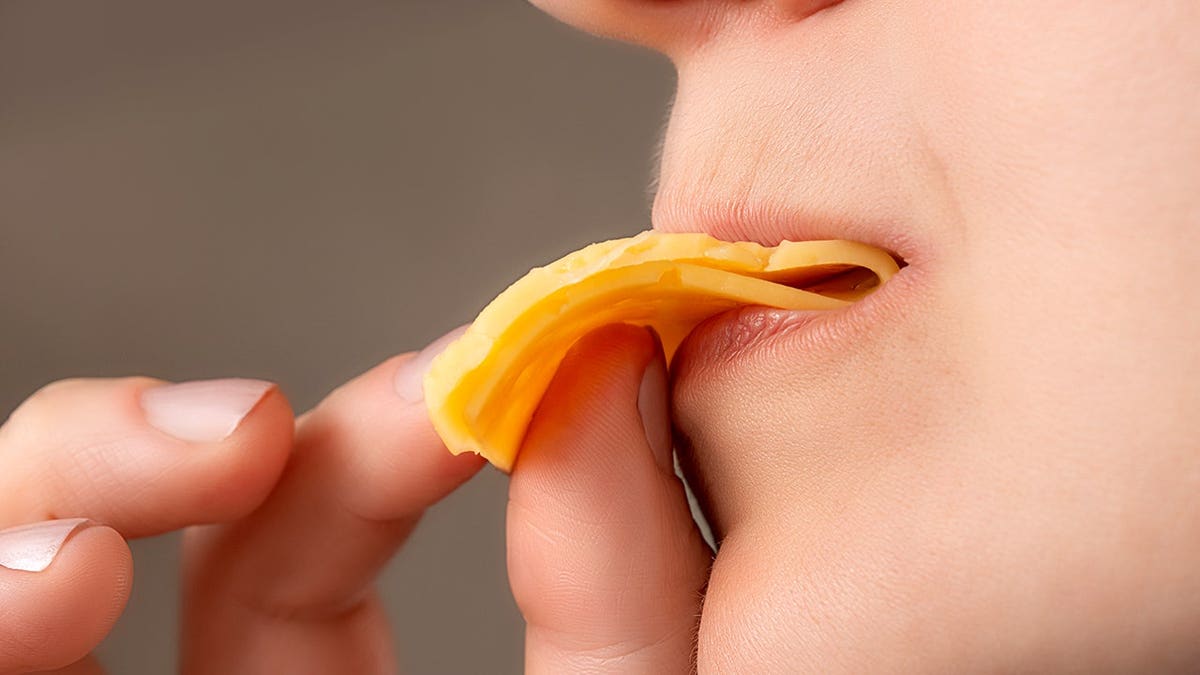
The high-protein diet had one of the strongest anti-cholera effects, the researchers found.(iStock)
The secret lies in the bacteria’s design, the researchers discovered.Cholera uses a microscopic, syringe-like structure to inject toxins into and kill “good” microbes in the gut.
In the study, casein and gluten effectively jammed this “syringe.” Without its primary weapon, cholera wasn’t able to compete.
oral cholera vaccinesand heightened the need for diversified treatment strategies.

Overreliance on antibiotics can lead to drug-resistant “superbugs,” and while cholera hasn’t yet reached that crisis point, the bacteria’s ability to adapt may reduce the effectiveness of current medications.(iStock)
Overreliance on antibiotics can lead to drug-resistant “superbugs.” While cholera hasn’t yet reached that crisis point, the bacteria’s ability to adapt meanscurrent medicationscould eventually become useless, experts warn.
“Dietary strategies won’t generate antibiotic resistance in the same way a drug might,” Hsiao noted.
public health,” Hsiao said.
TEST YOURSELF WITH OUR LATEST LIFESTYLE QUIZ
The next step, according to the researchers, is to explore the effect of these proteins in humans, given that the major limitation of this study is that it only shows cholera effects in mice.
“The more we can improve people’s diets, the more we may be able to protect them from succumbing to disease.”(iStock)
Becausethe study is preclinicaland there is not yet data on human subjects, Hsiao and his team don’t know how much casein or wheat gluten a person would need to consume to see a protective effect.
onelink.me/xLDS?pid=AppArticleLink&af_web_dp=https%3A%2F%2Fwww.
They would also need to test whether the protein must be consumed before exposure to cholera as a preventative measure, or if it can effectively “shut down” an active, mid-stage infection.
“The more we can improve people’s diets, the more we may be able to protect them from succumbing to disease,” Hsiao added.
![[aggregator] downloaded image for imported item #41500](https://newsview.top/wp-content/uploads/2026/02/man-brushing-tteth-1024x576.jpg "Simple brushing routine could reduce dementia risk, say dental health experts")
![[aggregator] downloaded image for imported item #41842](https://newsview.top/wp-content/uploads/2026/02/people-taking-supplements-diabetes-1024x576.jpg "Some supplements may pose risks for people with diabetes, experts say")
![[aggregator] downloaded image for imported item #42218](https://newsview.top/wp-content/uploads/2026/02/neurologist-brain-scan-1024x576.jpg "Blood test could predict when Alzheimer's symptoms will start years in advance")