
![[aggregator] downloaded image for imported item #78774](https://newsview.top/wp-content/uploads/2026/05/people-masks-commuting-fox-news-001-1024x576.jpeg "Hantavirus fears spark COVID flashbacks, but experts say there’s one major difference")
This post was originally published on this site.
Concerns about risinghantavirus caseshas Americans reflecting on the coronavirus pandemic.
Although COVID-19 began with a foreign strain and spread rapidly around the world, experts say it’s not likely that hantavirus will behave the same way.
Therare Andes virus, which was linked to the MV Hondius cruise ship outbreak, is the only known hantavirus strain that has the capability to spread from person to person, usually through prolonged close contact.
RARE HANTAVIRUS HUMAN-TO-HUMAN TRANSMISSION SUSPECTED ON LUXURY CRUISE SHIP WHERE 3 HAVE DIED
�no comparison.”
“You could say the comparison ends at that they’re both single-strandedRNA viruses,” he said.“That’s a comparison, but [hantavirus] has been unchanged basically for decades.”
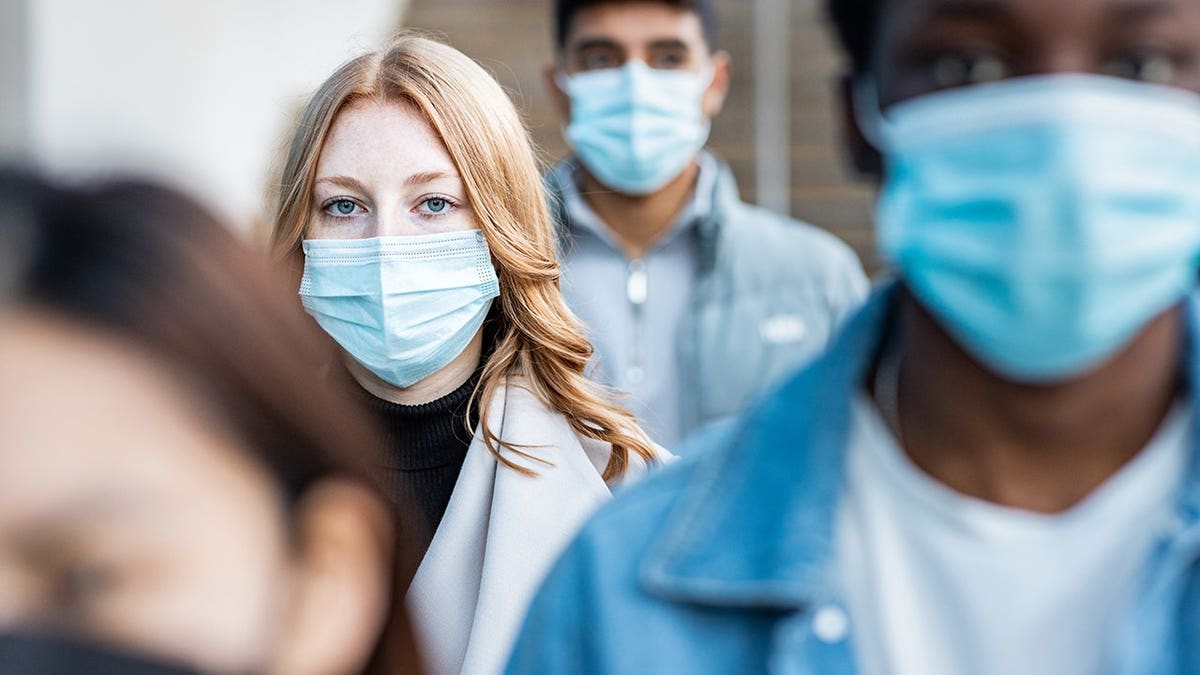
Dr.Marc Siegel says there’s “no comparison between these two viruses, other than that the single-stranded RNA viruses are both carried by animals.”(iStock)
Coronavirus was different because it began to mutate, which started to cause “all kinds of problems,” Siegel noted.
“We don’t know why it started to mutate, but this one doesn’t appear to have done that,” he said.“And every day that goes by seems to show that theory is correct –the geneticsof it is the same.”
DR MARC SIEGEL: HANTAVIRUS CRUISE OUTBREAK IS ALARMING BUT FEAR IS SPREADING FASTER THAN FACTS
“So, there’s no comparison between these two viruses, other than that the single-stranded RNA viruses are both carried by animals.”
Siegel added that COVID is an airborne virus, while hantavirus is mainly asecretion-borne virus, although it can be transmitted through dust and droppings in the air.
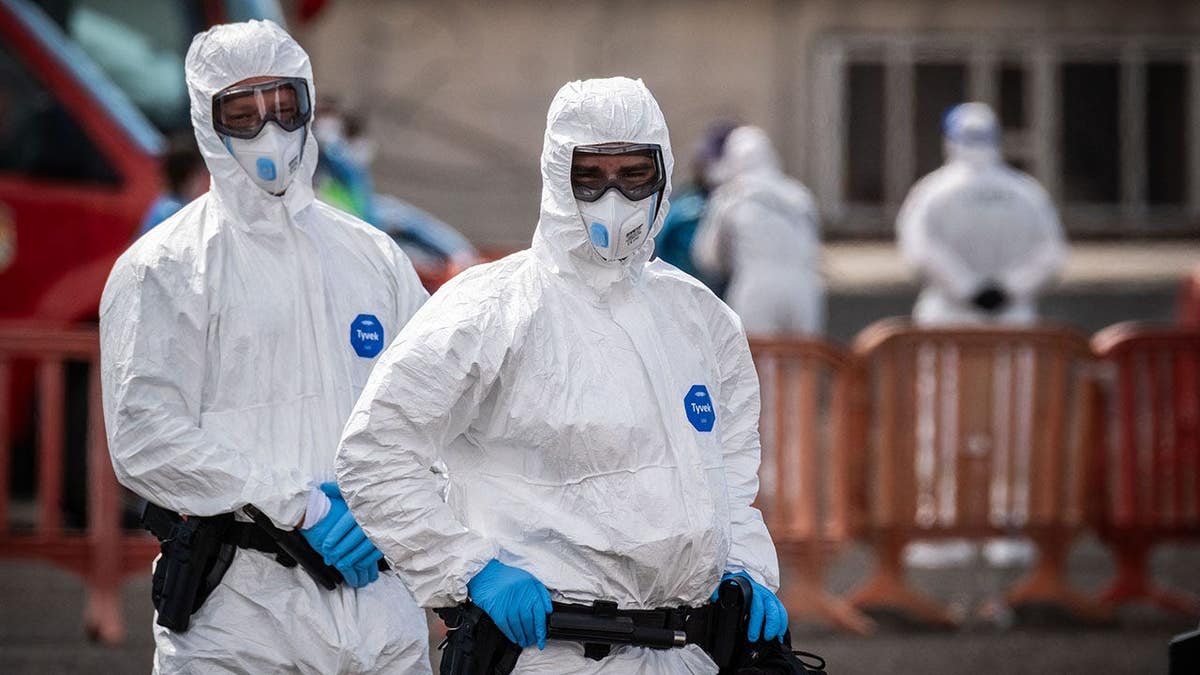
The rare Andes virus, which was linked to the MV Hondius cruise ship outbreak, is the only known hantavirus strain that has the capability to spread from person to person, usually through prolonged close contact.(Andres Gutierrez/Anadolu)
“It’s not airborne … in terms ofrespiratory dropletshanging in the air,” he said.“It’s very difficult to transmit.”
While coronavirus “moved in the direction of humans in a significant way,” hantavirus has not, except for “very rare” human-to-human transmission, according to the doctor.
warming temperaturesthat are causing rodents to migrate north toward Buenos Aires, according to the doctor.
DEADLY CRUISE VIRUS TIMELINE SHOWS HOW HANTAVIRUS SPREAD AMONG PASSENGERS
The current outbreak stemming from the cruise ship did not help the cause, Siegel went on — but this spread doesn’t suggest that the virus has changed.Rather, it shows how close quarters on a ship are “very conducive” to spread, he said.
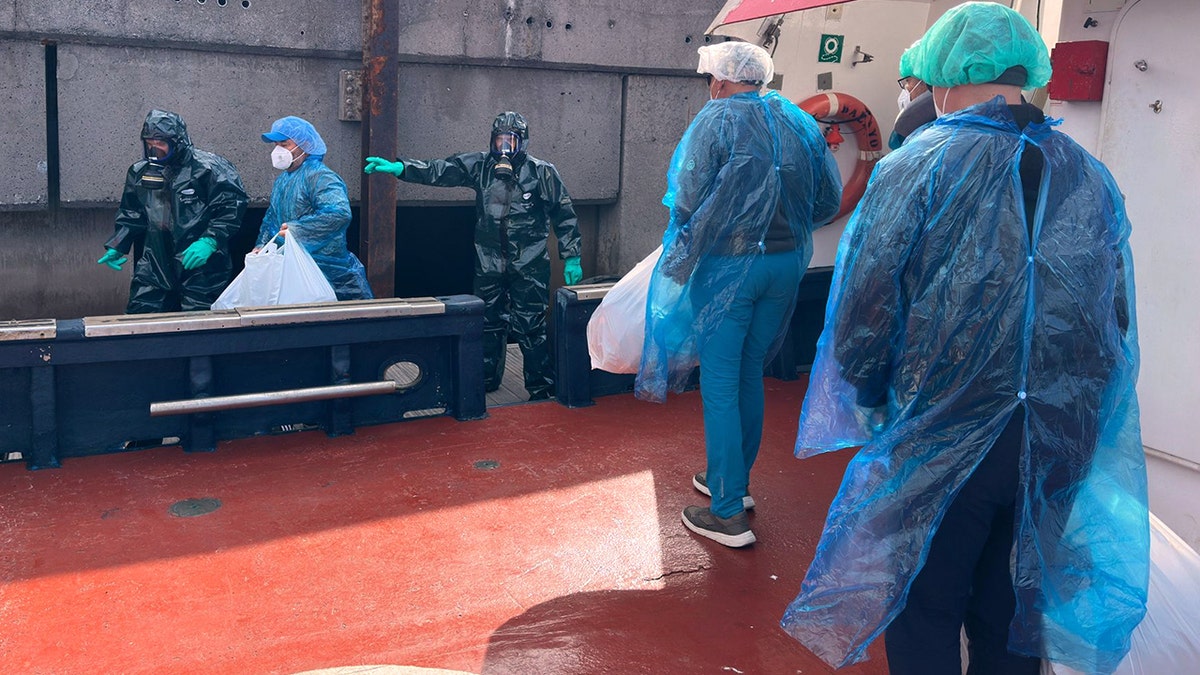
Passengers disembark from the hantavirus-stricken cruise ship MV Hondius at the port of Granadilla in Tenerife, Canary Islands, Spain, on May 10, 2026.(AP Photo)
“Every day that goes by shows that … we’re not seeing a second generation of spread,” he reiterated.
The better comparison to make is between hantavirus andbird flu, which is a predominantly animal-based virus that “occasionally infects humans,” Siegel said.
birds, and every year we talk about how it’s going to cause a pandemic, but it would have to mutate significantly,” he pointed out.“I feel that [hantavirus] would have to mutate significantly before it could go human to human in any significant way, because this is basically an animal virus … it’s very comfortable inside a rodent host.”
Siegel went on, “If you get this virus, you’re in trouble, but getting this virus is very difficult.”
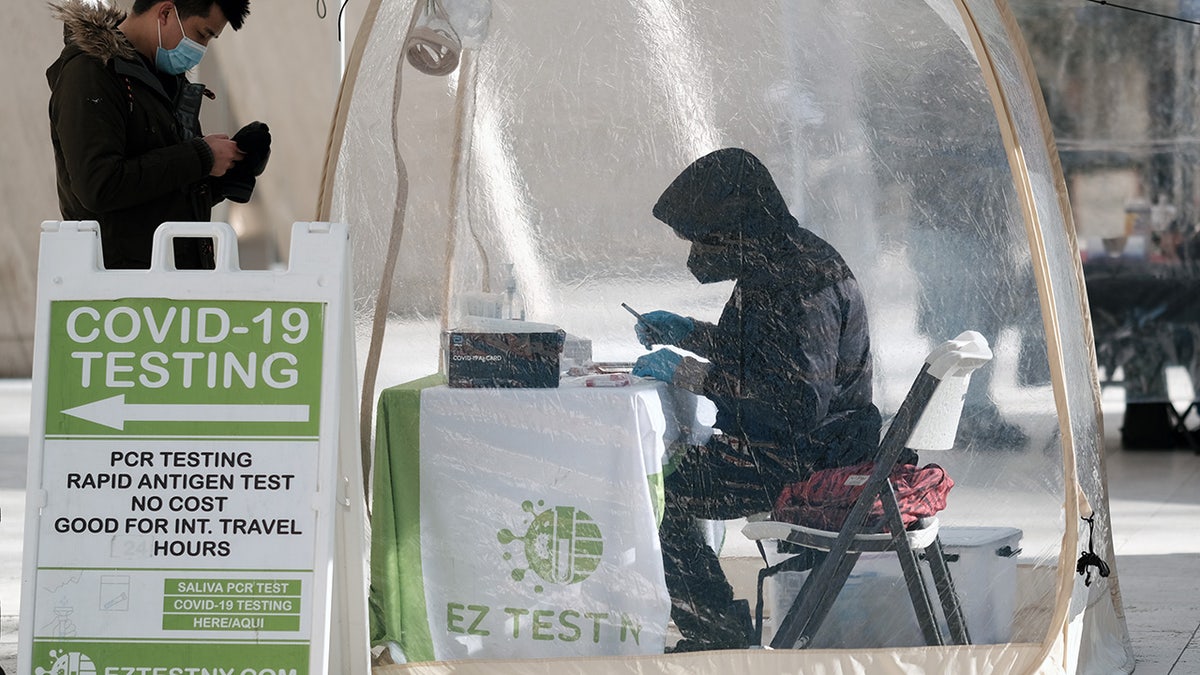
A person visits a COVID testing site on a Manhattan street in New York City on Jan.21, 2022.“Coronaviruses are airborne … this is not,” Dr.Siegel said.“And coronaviruses mutate a lot, and this does not.”(Spencer Platt/Getty Images)
Regarding fears that another global pandemic may be looming, Siegel said that just because one virus becomes widespread does not mean all viruses will.
onelink.me/xLDS?pid=AppArticleLink&af_web_dp=https%3A%2F%2Fwww.
“Coronaviruses are airborne anyway.This is not.And coronaviruses mutate a lot, and this does not,” he said.“I’m much more concerned about flu than this.Flu can mutate all the time, and it’s already going human to human all over the place, and it’s airborne.”
TEST YOURSELF WITH OUR LATEST LIFESTYLE QUIZ
“Mostinfectious diseasespecialists are much more worried about flu than this, as deadly as this can be,” he added.
“We’re talking apples and oranges, and any comparison you make after that provokes fear.”
�s Melissa Rudy contributed to this report.
![[aggregator] downloaded image for imported item #61781](https://newsview.top/wp-content/uploads/2026/04/prisoner-holding-piece-of-paper-1024x576.jpg "Drug-soaked paper is killing inmates amid reports of prison smuggling trends")
![[aggregator] downloaded image for imported item #62068](https://newsview.top/wp-content/uploads/2026/04/woman-spray-cleaning-counter-1024x576.jpg "Antibacterial products may contribute to dangerous superbug crisis, study suggests")
![[aggregator] downloaded image for imported item #62349](https://newsview.top/wp-content/uploads/2026/04/man-eating-vegetables-fruits-salt-1024x576.jpeg "Simple dinner table habit linked to poor diet and higher health risks in adults over 60")
![[aggregator] downloaded image for imported item #62341](https://newsview.top/wp-content/uploads/2026/04/crohns-disease-1024x576.jpg "Deadly bacterial disease could be stopped with common pantry staple, study suggests")