
![[aggregator] downloaded image for imported item #49388](https://newsview.top/wp-content/uploads/2026/03/liver-disease-1024x576.jpg "Cannabis compounds could reverse disease affecting one-third of adults")
This post was originally published on this site.
Compoundsfound in cannabiscould provide a new roadmap for treating the world’s most common chronic liver disorder, according to a study released by the Hebrew University of Jerusalem.
The research, published in the British Journal of Pharmacology, found that cannabidiol (CBD) and cannabigerol (CBG) significantly reduced liver fat and improved metabolic health in experimental models.
CBD is the more widely studied non-intoxicating cannabinoid, while CBG is a less common “precursor” cannabinoid from which CBD is formed.
MYSTERIOUS MARIJUANA-LINKED VOMITING DISORDER GETS OFFICIAL WHO CODE AS ER CASES JUMP
Unlike THC, the primary psychoactive component in cannabis, these compounds do not produce a “high,” making them viable candidates for long-termmedical treatment, the study suggests.
Metabolic dysfunction-associated steatotic liver disease (MASLD) currently affects approximately one-third of the global adult population, according to health data.
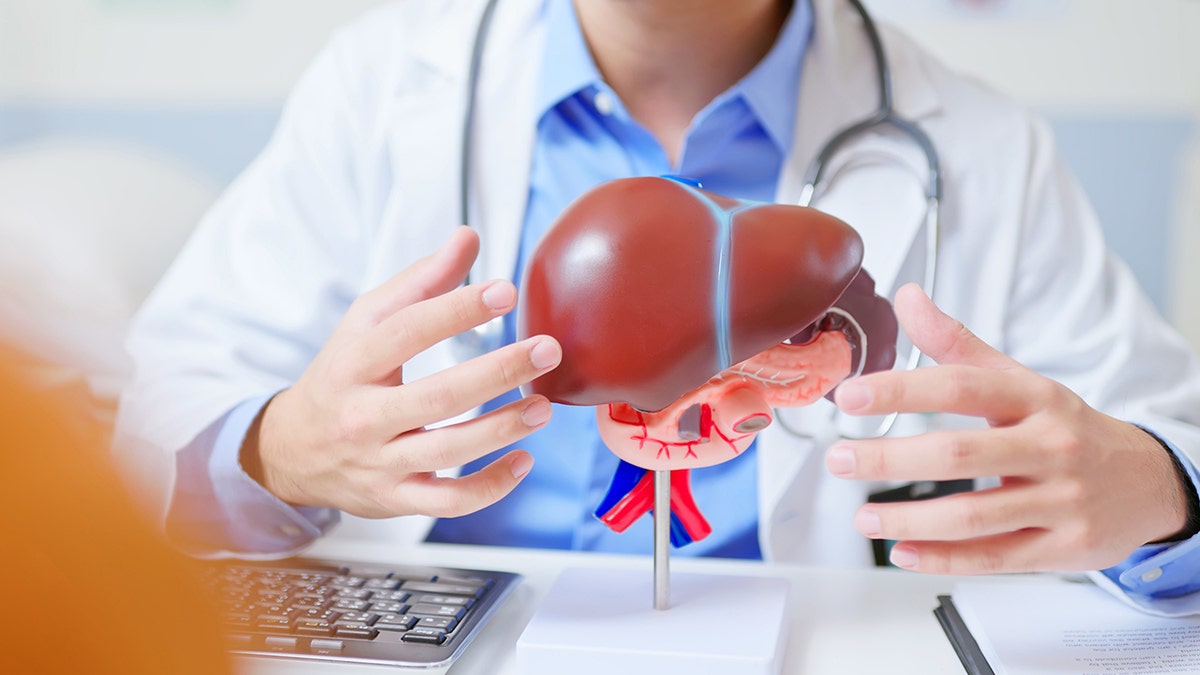
Metabolic dysfunction-associated steatotic liver disease (MASLD) currently affects approximately one-third of the global adult population.(iStock)
The condition, which is closely linked to obesity and insulin resistance, has few approved pharmaceutical treatments, the researchers said, leaving patients to rely largely onlifestyle changesthat can be difficult to maintain.
“Our findings identify a new mechanism by which CBD and CBG enhance hepatic energy and lysosomal function,” said lead study author Joseph Tam, director of the Multidisciplinary Center for Cannabinoid Research at Hebrew University, in a press release.
MARIJUANA COMPOUND MAY HELP PREVENT DEMENTIA WHEN PAIRED WITH COMMON DRUG
The study highlights a process called “metabolic remodeling,” in which the cannabis compounds created a “backup battery” for the liver by increasing levels of phosphocreatine, a high-energy molecule stored inmuscle cells.
This energy reserve helps the organ function under the stress of a high-fat diet, which was an unexpected discovery, the team noted.
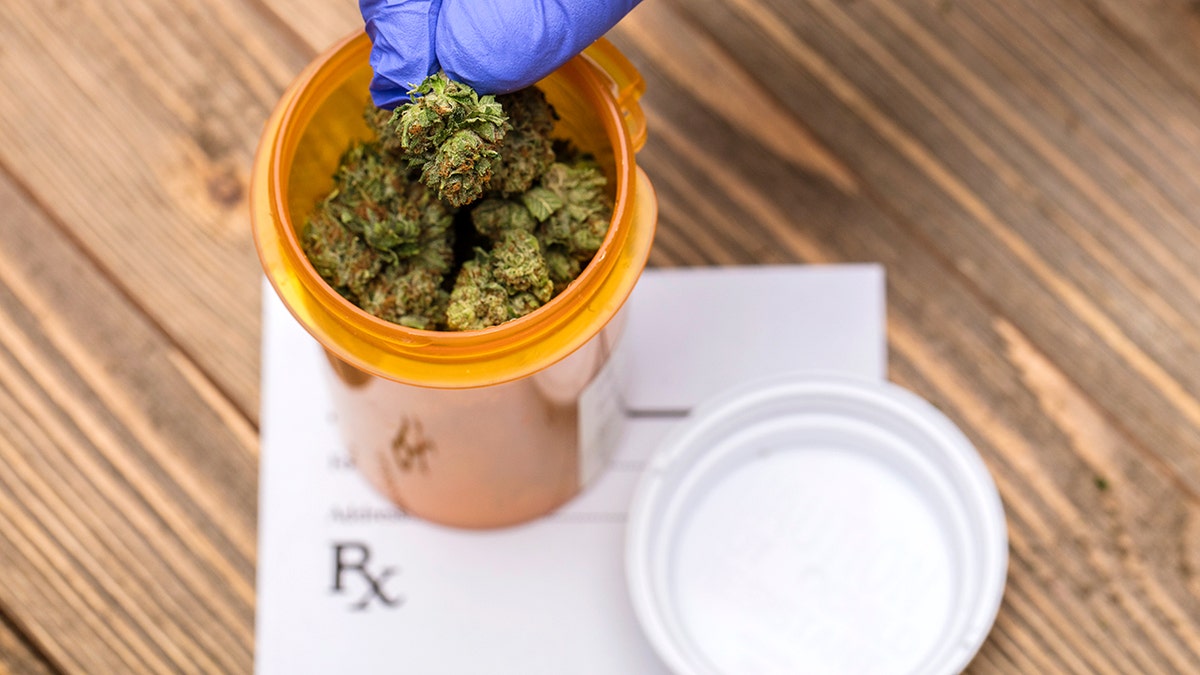
Researchers focused on CBD and CBG, two non-psychoactive compounds that offer therapeutic benefits without the “high” associated with THC.(iStock)
The researchers also found that CBD and CBG restored the activity of “cellular cleaning crews” known as cathepsins, enzymes that work within the cell’s recycling centers to break down harmful fats and waste.
With this process, the liver was better able to clear out dangerous lipids, including triglycerides and ceramides, which are known to trigger inflammation, the study showed.
total body fat mass, lowering “bad” LDL cholesterol and improving insulin sensitivity.
Researchers say this study opens a new path for using plant-based compounds to treat metabolic diseases by focusing on how cells manage energy and waste.
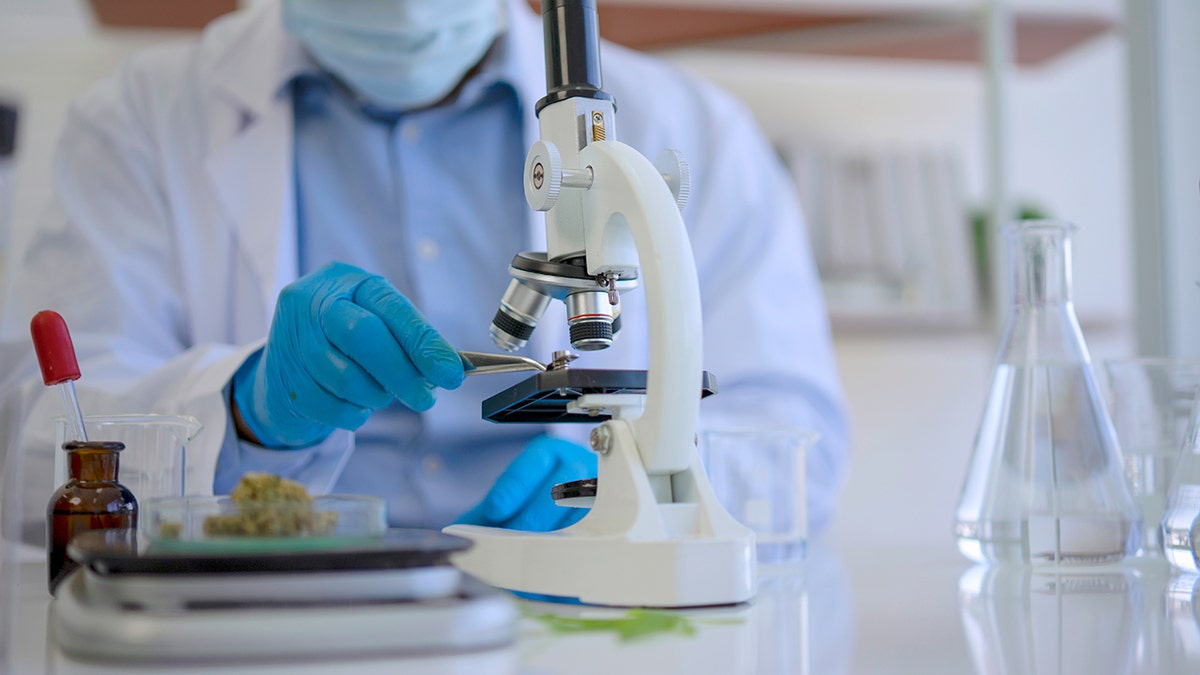
The discovery of a phosphocreatine “backup battery” in the liver marks a significant shift in how scientists understand the organ’s ability to survive high-fat diets.(iStock)
Limitations and caveats
Despite the promising results, the research team cautioned that the study was conducted in a controlled experimental environment.Further clinical trials are necessary to determine the proper application forhuman patients.
Other recent studies have pointed topotential issueswith using cannabis as a medical tool.

Other recent studies have pointed to issues with the efficacy of cannabis as a medical tool.(iStock)
The researchers concluded that there are very few conditions for which cannabinoid therapies have clear, well-established benefits backed by high-qualityclinical data.
“Whenever a substance is widely used, there is likely to be a very wide set of outcomes,” Alex Dimitriu, MD, who is double board-certified in psychiatry and sleep medicine and founder of Menlo Park Psychiatry &“This study points to the reality that this widely used substance is not a panacea.”
onelink.me/xLDS?pid=AppArticleLink&af_web_dp=https%3A%2F%2Fwww.
The strongest evidence supports FDA-approved cannabinoid medications for treating specific conditions, including HIV/AIDS-related appetite loss, chemotherapy-induced nausea and vomiting, and certain severe pediatric seizure disorders, according to the review.
TEST YOURSELF WITH OUR LATEST LIFESTYLE QUIZ
Anyone interested in using marijuana for medical purposes should speak to ahealthcare providerto discuss potential risks and benefits.
![[aggregator] downloaded image for imported item #48761](https://newsview.top/wp-content/uploads/2026/03/senior-man-bone-health-glp-1s-1024x576.jpg "GLP-1 drugs linked to higher fracture risk, osteoporosis and gout, new studies suggest")
![[aggregator] downloaded image for imported item #48969](https://newsview.top/wp-content/uploads/2026/03/hands-holding-valerian-flower-1024x576.jpg "Ancient herb known as ‘nature’s Valium’ touted for improving sleep and anxiety")
![[aggregator] downloaded image for imported item #49396](https://newsview.top/wp-content/uploads/2026/03/firefighter-puts-out-fire-1024x576.jpg "Firefighter credits 'strict' home routine, medical tests to stay alive well past retirement")