
![[aggregator] downloaded image for imported item #75284](https://newsview.top/wp-content/uploads/2026/05/family-wearing-masks-cruise-ship-1024x576.jpg "Could hantavirus spread on a cruise ship? Experts weigh risks after deadly outbreak")
This post was originally published on this site.
A deadlyhantavirus outbreak aboarda cruise ship in the Atlantic has raised new questions about how the rare, rodent-borne disease may have spread.
The outbreak has left at least three people dead with five additional suspected cases, as the World Health Organization investigates.
Although hantavirus is usually transmitted through contact with infected rodent droppings, experts say theclose quarters of the vesselcould have amplified the risk.
CRUISE SHIP OUTBREAK LEAVES 3 DEAD AS OFFICIALS DELAY MEDICAL EVACUATIONS AND PROBE HANTAVIRUS THREAT
How hantavirus spreads
The virus is typically found in rodent saliva, urine and feces, becoming airborne near contaminated surfaces, according to Dr.Carrie Horn, chief medical officer at National Jewish Health in Colorado.
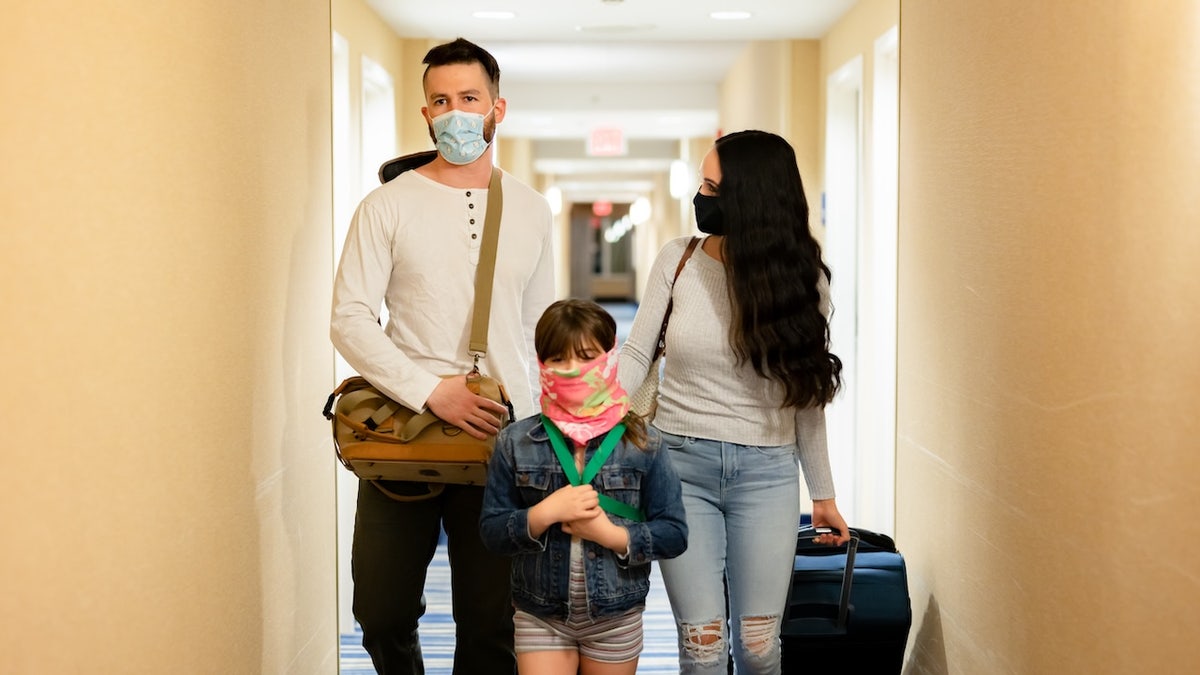
A deadly hantavirus outbreak aboard a cruise ship in the Atlantic has raised new questions about how the rare, rodent-borne disease may have spread.(iStock)
While other viruses like COVID-19 also enter through inhalation, they originate from another person’s respiratory tract, she noted.In contrast, person-to-personhantavirus transmissionis very unlikely.
“It most often gets into the air when the rodent nest is disturbed, such as when being cleaned up.It is then inhaled into the lungs,�
GENE HACKMAN’S HOME FOUND TO BE INFESTED WITH RODENTS AFTER WIFE DIED OF HANTAVIRUS
It is “technically possible” that the virus could be aerosolized (spread into the air) through a ventilation system, the doctor said.
“It is also possible that if arodent infestation occurredand passengers tried to clean something up, they could have become infected,” Horn added.“This is very low risk, but possible.It is also possible that they were exposed off of the ship.”
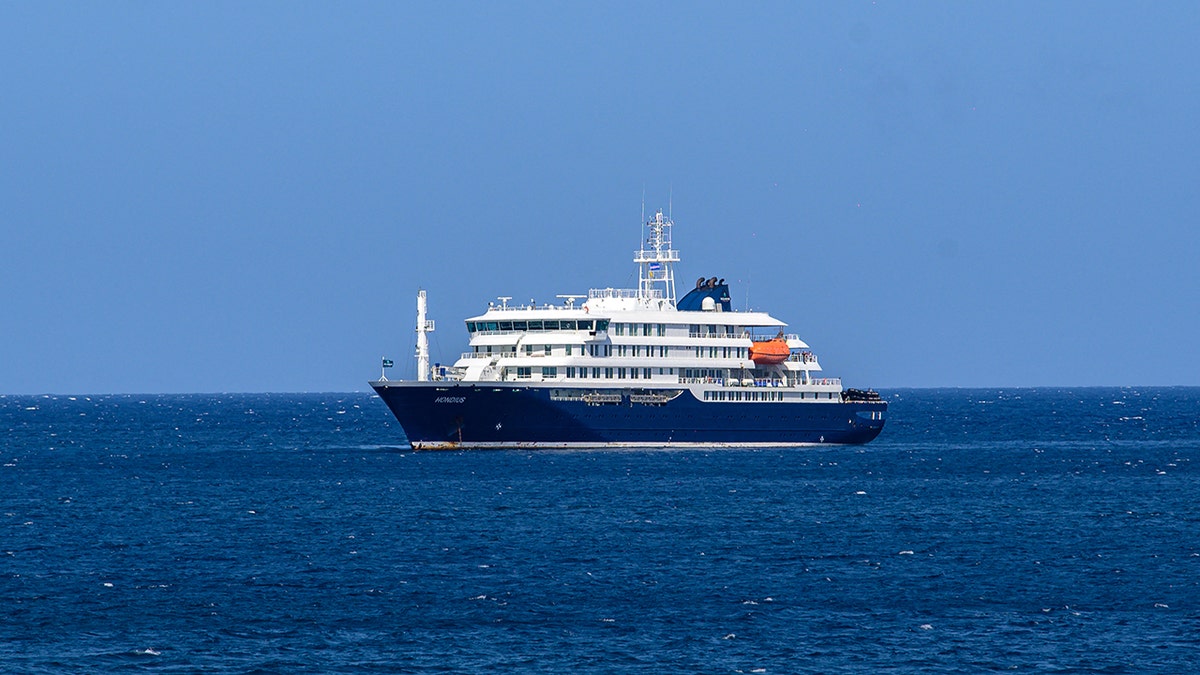
A general view of the cruise ship MV Hondius stationary off the port of Praia, the capital of Cape Verde, on May 3, 2026.An outbreak of “severe acute respiratory illness” on board the ship has left two people dead and a third in intensive care.(AFP via Getty Images)
Another possibility, she said, is eating contaminated food could cause disease, although that would be less likely than breathing it in.
Dr.Jacob Glanville, CEO of Centivax, a San Francisco biotechnology company, reiterated that hantavirus could potentially spread on a cruise ship under certain conditions.
HANTAVIRUS, CAUSE OF GENE HACKMAN’S WIFE’S DEATH, KILLS THREE IN CALIFORNIA
“It’s possible, either because there are infected mice on the ship and people are being infected from those mice, or because of human-to-humancontact transmission, which the Andes strain has been previously demonstrated to be capable of,�
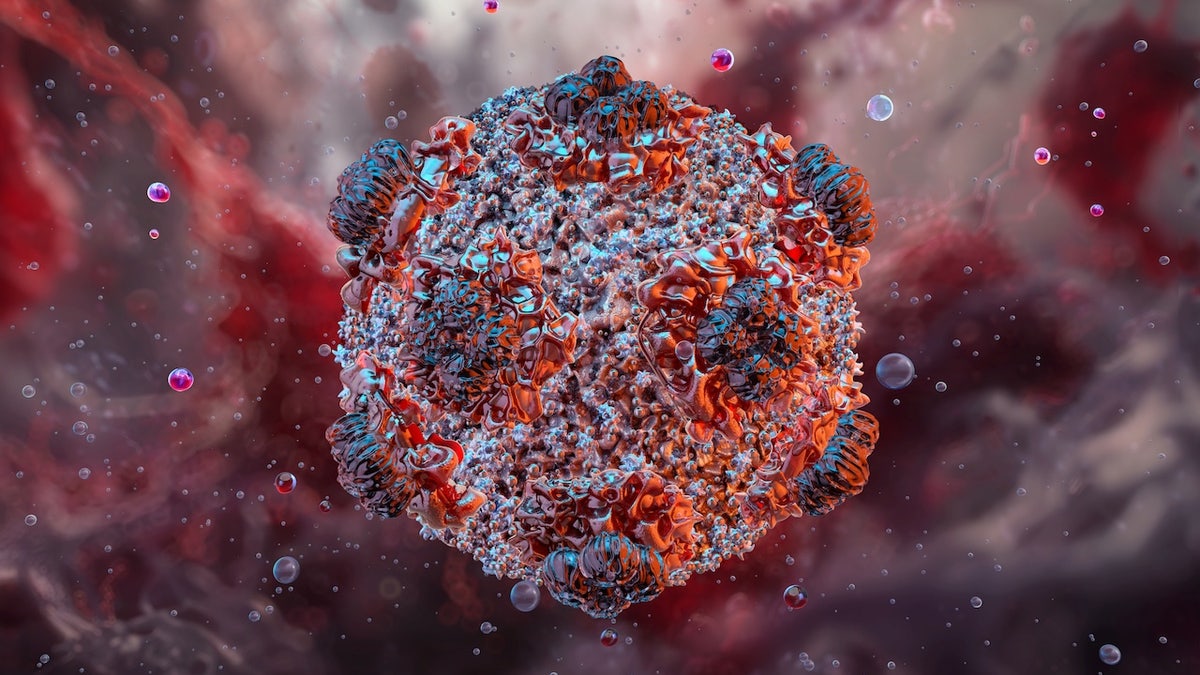
“It most often gets into the air when the rodent nest is disturbed, such as when being cleaned up.It is then inhaled into the lungs,�(iStock)
Glanville cautioned that until it can be ruled out that a more transmissible strain is involved,removing passengers from the shipcould pose risks.
“Otherwise, there is a small but high-consequence risk of creating a lethal international outbreak,” he warned.
“This is a very unusual situation.”
Historically, hantavirus has been “far less transmissible”than COVID-19, the doctor said. “Unless that changes with a new mutant strain, the risk remains very low to the public.”
Dr.
Is the public at risk?
The experts agreed that the risk to the wider public is low.Siegel reiterated that people should “not be very concerned.”
Glanville noted that it’s still unclear whether the cluster came fromhuman-to-human transmission– “although given a potential Andes strain origin, that is a risk.”

Although hantavirus is usually transmitted through contact with infected rodent droppings, experts say the close quarters of the vessel could have amplified the risk.(iStock)
“Even if it’s an Andes strain, historically transmission human-to-human is inefficient,�“However, it is always possible that a novel mutant can arise that is able to propagate more easily between humans.”
transmission casesare found from contacts who were not on the ship, the situation would become much more concerning, according to Glanville.
“Hantavirus can be 30% to 50% lethal, has a long silent incubation period of one to six weeks, and has the potential for droplet transmission,” he warned.
Symptoms to watch for
Experts say symptoms typically begin with fever, muscle aches,fatigueand headaches, followed by cough, shortness of breath and, in severe cases, fluid buildup in the lungs.
onelink.me/xLDS?pid=AppArticleLink&af_web_dp=https%3A%2F%2Fwww.
These symptoms can mimicflu-like illness, according to Horn.
“From there, it can progress to having trouble breathing, needing oxygen and requiring hospitalization,�“Some people can havegastrointestinal issuesas well, such as vomiting and diarrhea.”
“It can affect the heart, lungs and kidneys, causing all of them not to work appropriately.”
In extreme cases, the virus can cause severe lung and cardiovascular disease, with a fatality rate of 30% to 50%.
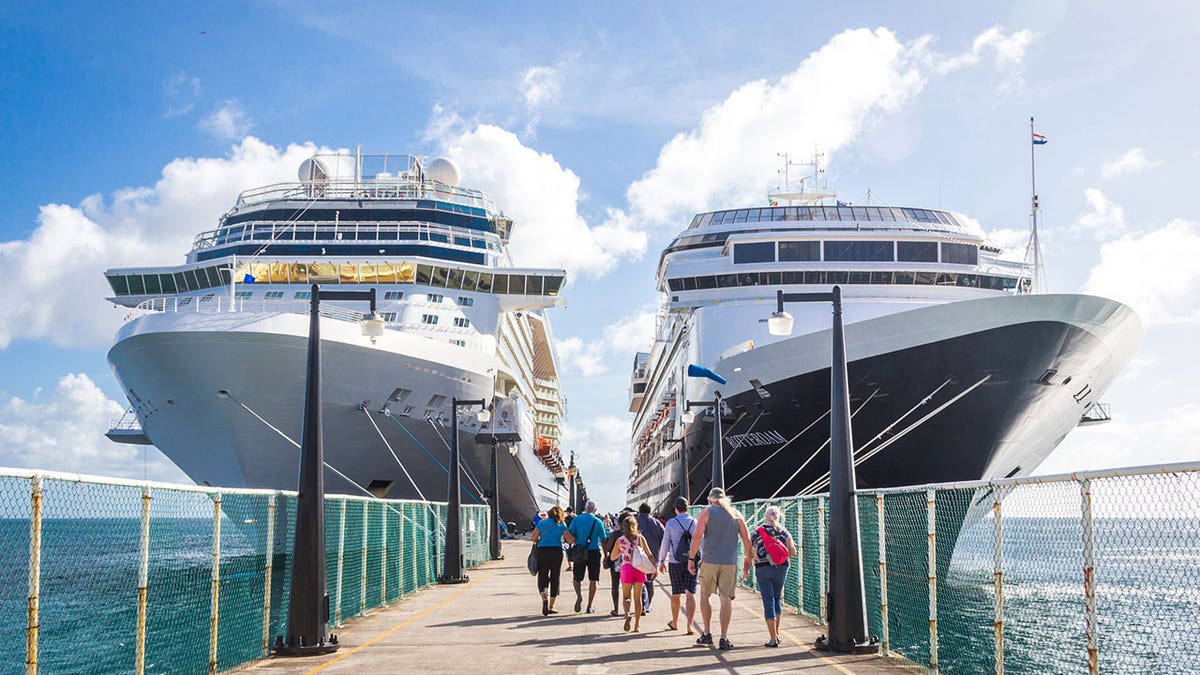
Experts agree that hantavirus poses a very low risk to the public — especially for those not on the affected ship.(iStock)
“It can affect the heart, lungs and kidneys, causing all of them not to work appropriately,�“Infected people can have trouble maintaining their oxygen levels to the point of needing to be on a ventilator or to get externaloxygenation support.”
Because the virus is rare, specific risk factors are not well-known, but overall health can influence outcomes, the expert added.Age may also be a factor, as those who died on the cruise ship were elderly.
Precautions for travelers
Experts advise avoiding areas where rodents may be present — particularly dusty or enclosed spaces with signs of infestation — and not disturbing nests or droppings.If cleaning such areas, wearing a filtered mask can help reduce risk.
Travelers should also avoid contact with rodents and contaminated materials, while taking basic precautions like handwashing, disinfecting surfaces and maintaining goodoverall health.
TEST YOURSELF WITH OUR LATEST LIFESTYLE QUIZ
“This is a very unusual situation,” Horn added, emphasizing that hantavirus poses a very low risk to the public — especially for those not on the affected ship.
![[aggregator] downloaded image for imported item #61781](https://newsview.top/wp-content/uploads/2026/04/prisoner-holding-piece-of-paper-1024x576.jpg "Drug-soaked paper is killing inmates amid reports of prison smuggling trends")
![[aggregator] downloaded image for imported item #62068](https://newsview.top/wp-content/uploads/2026/04/woman-spray-cleaning-counter-1024x576.jpg "Antibacterial products may contribute to dangerous superbug crisis, study suggests")
![[aggregator] downloaded image for imported item #62349](https://newsview.top/wp-content/uploads/2026/04/man-eating-vegetables-fruits-salt-1024x576.jpeg "Simple dinner table habit linked to poor diet and higher health risks in adults over 60")
![[aggregator] downloaded image for imported item #62341](https://newsview.top/wp-content/uploads/2026/04/crohns-disease-1024x576.jpg "Deadly bacterial disease could be stopped with common pantry staple, study suggests")