
![[aggregator] downloaded image for imported item #73682](https://newsview.top/wp-content/uploads/2026/05/senior-man-eating-meal-1024x576.jpg "How eating habits could influence Parkinson’s disease risk, according to experts")
This post was originally published on this site.
Growing observational research suggests that long-termdietary patternsmay influence Parkinson’s risk, age at onset and possibly severity of symptoms.
Mediterranean-style eating, in particular, has been associated with lower risk and possibly milder disease.
That said, there isn’t a single food that causes or prevents disease, according to Dr.Michael S.Valdez, a California-based physician with advanced trainingin neurology.
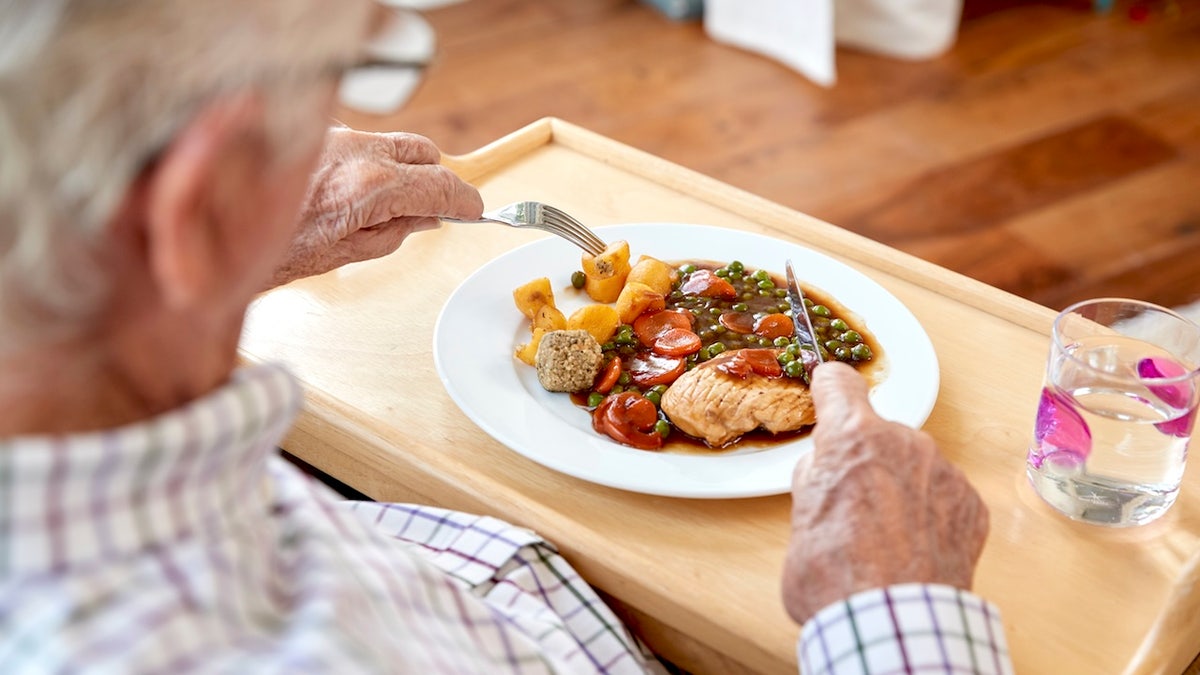
Growing observational research suggests that long-term dietary patterns may influence Parkinson’s risk, age at onset and possibly severity of symptoms.(iStock)
“When we talk about Parkinson’s and similar conditions, it helps to zoom out,�“In many cases, it’s the overall pattern over years that matters.”
The brain is especially sensitive to chronic inflammation, oxidative stress andvascular health, which is how well blood flows to brain tissue, according to the doctor.
BRAIN AND MEMORY ARE BOOSTED BY EATING ONE PARTICULAR DIET, STUDY FINDS
“Another key point is thatneurodegenerative diseasesdevelop slowly,” Valdez pointed out.“Changes in movement or cognition often appear years after underlying changes in the brain have already started.”
“That meanslifestyle factors, including diet, are part of a much larger timeline that also includes genetics, environmental exposures, sleep and physical activity.”
Foods that could delay disease
No.1: Mediterranean and MIND diets
Dr.Rebecca Gilbert, a seasoned neurologist and the chief mission officer at the American Parkinson Disease Association in New York, confirmed that the best foods for brain health are those that make up theMIND or Mediterranean diets.
“These diets emphasizewhole grains, vegetables (especially green leafy vegetables), nuts, legumes and berries,�“Fish is the preferred animal protein, and olive oil is the preferred fat.”

Mediterranean-style eating, in particular, has been associated with lower risk and possibly milder disease.(iStock)
Studies have suggested that among those diagnosed with Parkinson’s disease, adherence to the MIND or Mediterranean diets prior to diagnosis was associated with later onset of the disease, according to the doctor.
PARKINSON’S CASES COULD DOUBLE GLOBALLY BY 2050, STUDY REVEALS
“These diets are good for the brain because they arerich in antioxidantsand other anti-inflammatory nutrients that keep neurons healthy,” she said.“The diets also support clean blood vessels to the brain, which provide adequate blood flow containing the nutrients and oxygen that neurons need.”
No.2: Flavonoid-rich foods
“Blueberries, strawberries, apples, tea andred winein moderation have been associated with lower PD risk in large cohorts,�
The South Carolina-based expert cited a Harvard study that found men with the highest flavonoid intake had about 40% lower disease risk.
“A responsible expert would place diet in that broader context rather than overselling any single food.”
“Anthocyanins — the pigments in red/purple berries — are the subclass with the most consistent signal,” she said.“These compounds have antioxidant and anti-inflammatory effects and may cross the blood-brain barrier.”
No.3: Coffee and caffeinated tea
Large studies have shown that regular coffee consumption is associated with lowerParkinson’s risk, according to Hare, although a direct cause can’t be proven.
Caffeine has been found to protect brain cells in animal studies by blocking a specific brain receptor called the adenosine A2A receptor, she said.
“The effect is stronger in men;hormone therapy appears to modify it in women,” Hare added.

Scientists have found early signs of the disease — clumps of a protein called alpha-synuclein — in the nerves of the digestive system.(iStock)
No.4: Fatty fish and omega-3 sources
“Evidence is more suggestive than definitive, but diets higher in omega-3s – salmon, sardines, mackerel, walnuts and flaxseed – correlate with lower risk and may support general neuronal health,” Hare said.
YOUR DAILY COFFEE HABIT MAY PLAY A ROLE IN DEMENTIA RISK, STUDY FINDS
No.5: Fiber and fermented foods
In some cases, Parkinson’s pathology maybegin in the gut, and gastrointestinal symptoms, such as constipation, can precede diagnosis, experts agree.
Scientists have found early signs of the disease — clumps of a protein called alpha-synuclein — in the nerves of thedigestive system.
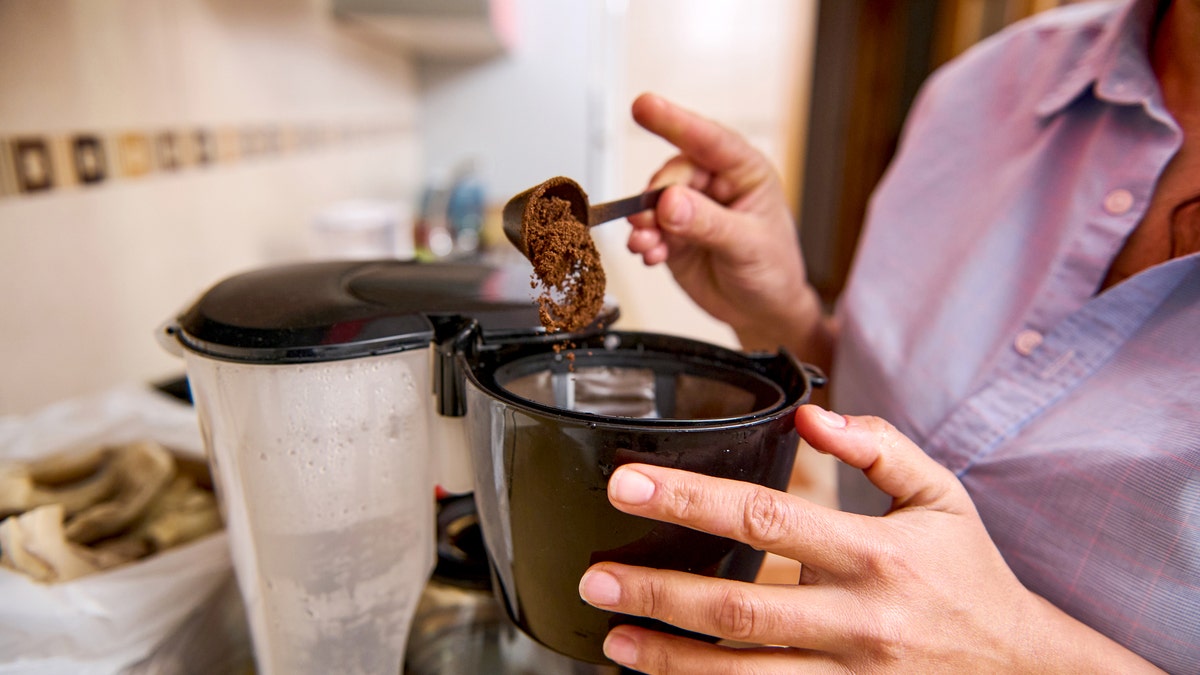
Large studies have shown that regular coffee consumption is associated with lower Parkinson’s risk, according to Hare, although a direct cause can’t be proven.(iStock)
“Constipation is one of the strongest prodromal symptoms, often predatingdiagnosis by a decadeor more,�
“Diets supporting a diverse gut microbiome – high fiber, fermented foods like yogurt, kefir, sauerkraut and kimchi – are an active research area, though we don’t yet have randomized trial evidence that changing your microbiome changes Parkinson’s risk.”
Foods associated with higher risk
No.1: Dairy (particularly milk)
“This is a consistent but still-debated finding,” Hare said.“Multiple large cohorts have found that higher milk consumption is associated with modestly elevated PD risk, particularly in men.”
The signal is specific to milk, she noted, as cheese and yogurt don’t show the same consistent association.
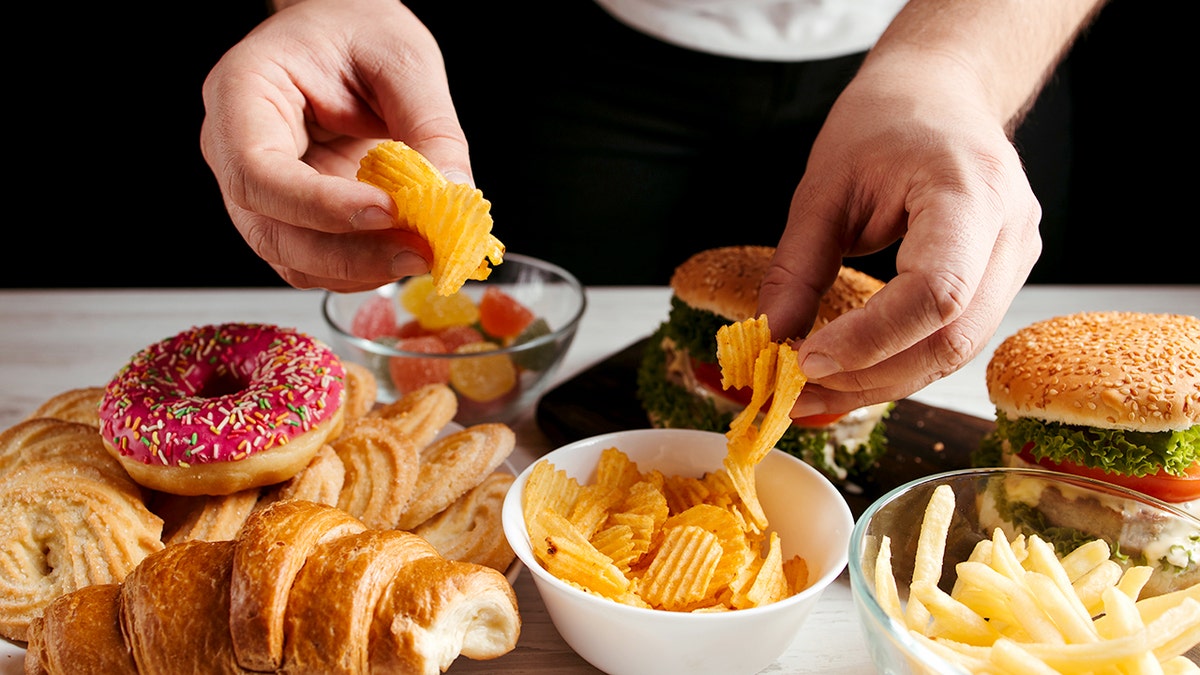
Recent research, including the Nurses’ Health Study in 2025, has linked high ultraprocessed food intake to higher odds of early Parkinson’s symptoms.(iStock)
No.2: Ultraprocessed foods
Recent research, including the Nurses’ Health Study in 2025, has linked highultraprocessed food intaketo higher odds of early Parkinson’s symptoms.This supports broader evidence of processed foods’ association with systemic inflammation, Hare noted.
onelink.me/xLDS?pid=AppArticleLink&af_web_dp=https%3A%2F%2Fwww.
No.3: Pesticide exposure via diet
Exposure to paraquat and rotenone, which are toxic chemicals often used as pesticides, are among the strongest environmental risk factors for Parkinson’s, according to Hare.
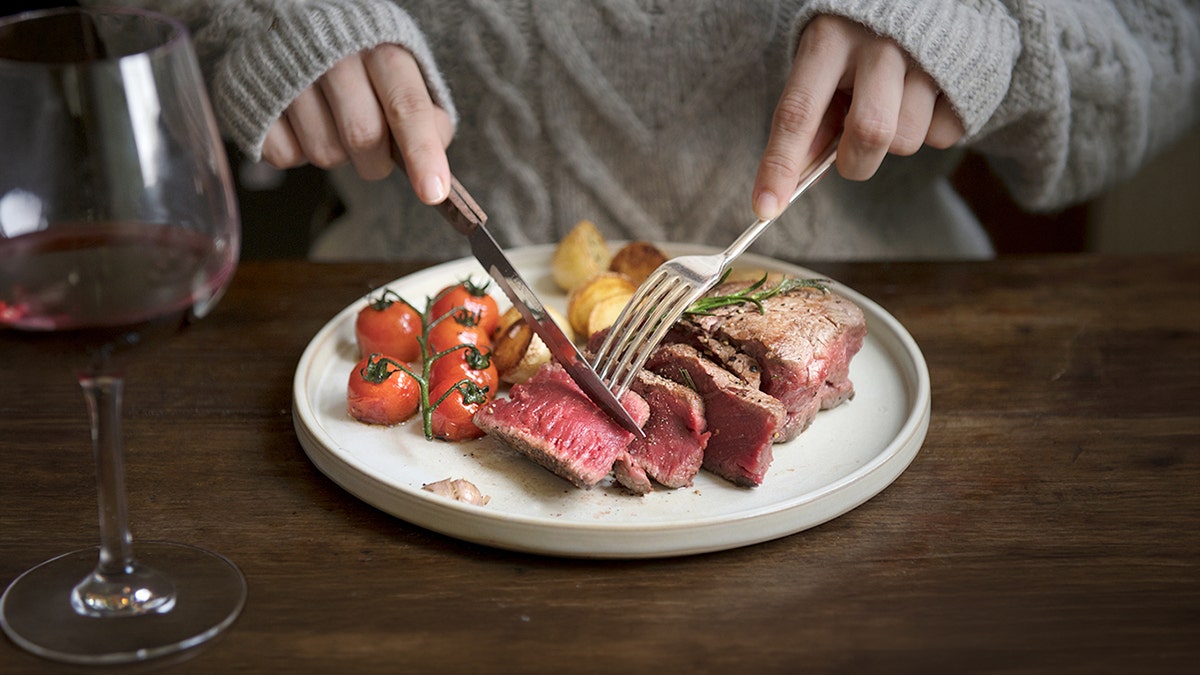
“Associations exist, but are less robust than the dairy or ultraprocessed findings,” the expert said about red meat consumption.(iStock)
“Epidemiology does not equal causation,” she emphasized.“Nearly all of the above comes fromobservational studies.”
Lifestyle behaviors can also come into play – people who eat Mediterranean diets, for example, also exercise more, smoke less and have more resources.
TEST YOURSELF WITH OUR LATEST LIFESTYLE QUIZ
“Diet is one lever among several,” Hare noted.“Exercise has stronger evidence than any food for both preventing Parkinson’s and slowing progression.Sleep quality, cognitive engagement and avoidance of head injury also matter.”
“A responsible expert would place a diet in that broader context rather than overselling any single food.”
![[aggregator] downloaded image for imported item #61781](https://newsview.top/wp-content/uploads/2026/04/prisoner-holding-piece-of-paper-1024x576.jpg "Drug-soaked paper is killing inmates amid reports of prison smuggling trends")
![[aggregator] downloaded image for imported item #62068](https://newsview.top/wp-content/uploads/2026/04/woman-spray-cleaning-counter-1024x576.jpg "Antibacterial products may contribute to dangerous superbug crisis, study suggests")
![[aggregator] downloaded image for imported item #62349](https://newsview.top/wp-content/uploads/2026/04/man-eating-vegetables-fruits-salt-1024x576.jpeg "Simple dinner table habit linked to poor diet and higher health risks in adults over 60")
![[aggregator] downloaded image for imported item #62341](https://newsview.top/wp-content/uploads/2026/04/crohns-disease-1024x576.jpg "Deadly bacterial disease could be stopped with common pantry staple, study suggests")