
This post was originally published on this site.
High-dosevitamin Dsupplements could help reduce diabetes risk among certain groups, according to new research from Tufts University.
In a large clinical trial, researchers performed genetic testing of more than 2,000 U.S.adults with prediabetes after they received 4,000 units per day of vitamin D supplements, then compared them to a placebo group.
An earlier study showed no significant reduction indiabetes riskin the group receiving vitamin D supplementation, but when the researchers looked closer, they found a benefit for certain genetic groups.

High-dose vitamin D supplements could help reduce diabetes risk among certain groups, according to new research from Tufts University.(iStock)
For the new study, the Tufts researchers compared participants who appeared to benefit from vitamin D supplementation to those who did not, then examined how outcomes differed across three common variants of thevitamin D receptorgene.
DEMENTIA RISK COULD DIP WITH COMMON VACCINE, STUDY SUGGESTS
People who had certain versions of a vitamin D-related gene (called AC or CC) were 19% less likely to get diabetes when they took vitamin D compared to people who took a placebo, according to a university press release.
Participants with another genetic variant (AA) showed no benefit from supplementation.
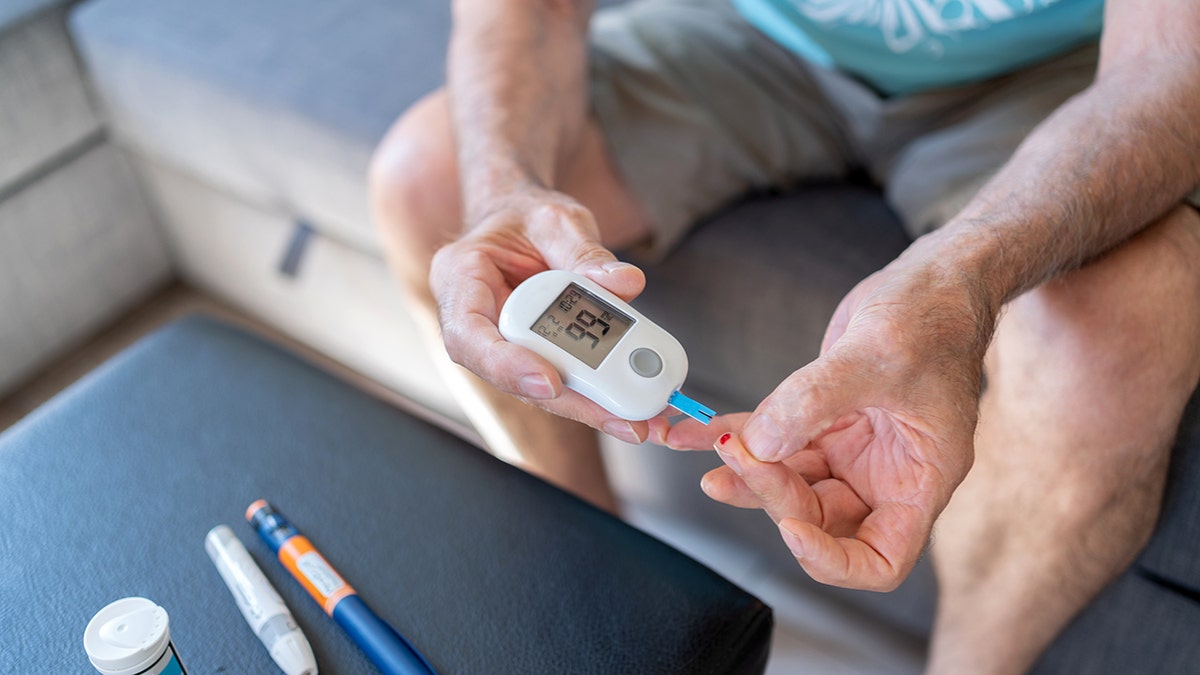
People who had certain versions of a vitamin D-related gene (called AC or CC) were 19% less likely to get diabetes when they took vitamin D compared to people who took a placebo.(iStock)
Vitamin D seems to work by attaching to a specific “receiver” in the body called the vitamin D receptor, the researchers discovered.These receptors are found in many places, including the pancreas, theorgan that makes insulin.
The findings were published last week in JAMA Network Open.
DIABETES PREVENTION LINKED TO SPECIFIC TYPE OF EXERCISE, STUDY SHOWS
“Our finding is an example of the emerging science ofprecision nutritionor precision medicine, in which an intervention can be tailored to the needs of individuals according to their genetic makeup and disease risk,” Bess Dawson-Hughes, the study’s lead author and a senior scientist at the�
“Taking a vitamin D supplement daily is an easy, inexpensive and generally safe approach to reducing diabetes risk,” she added.“In principle, this could involve a single, relatively inexpensive genetic test.”
“It is too early to make specific recommendations for the general population.”
There were some limitations to the study, the researchers noted, including that this was asecondary analysisrather than a primary randomized comparison.
“Like any other first observation, this finding needs to be replicated in a future study,” the researcher said.
patient care.

“I would not advise older adults to take a daily dose of 4,000 IU of vitamin D without first consulting with their doctors,” the researchers said.(iStock)
The authors emphasized that people should not start taking high doses of vitamin D as a diabetes prevention strategy based on this study.
“It is too early to make specific recommendations for the general population,” Dawson-Hughes said.
high doses can be harmfulfor older adults.
onelink.me/xLDS?pid=AppArticleLink&af_web_dp=https%3A%2F%2Fwww.
“There is some evidence, from my laboratory and others, that the relatively high blood levels of 25-hydroxyvitamin D needed to achieve the diabetes risk reduction have been associated with an increased risk of falling in older adults,” Dawson-Hughes noted.
“I would not advise older adults to take a daily dose of 4,000 IU ofvitamin Dwithout first consulting with their doctors.”
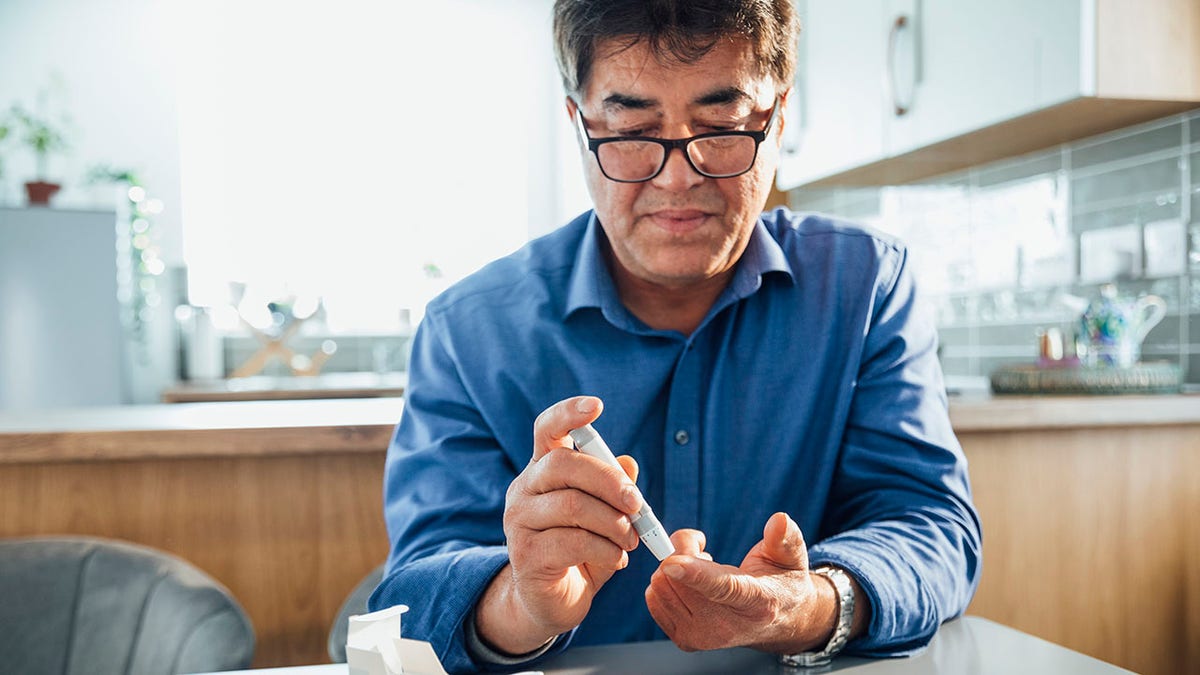
Adults with prediabetes also have an increased risk of cardiovascular disease, the researcher noted.(iStock)
This new study raises another question, according to Dawson-Hughes: Would vitamin D supplementation in adults with the responsive genotypes lower the risk of developing prediabetes, the forerunner to Type 2 diabetes?
TEST YOURSELF WITH OUR LATEST LIFESTYLE QUIZ
“This is important because prediabetes is not a benign condition,” she said.“Adults with prediabetes also have an increased risk ofcardiovascular disease.”
![[aggregator] downloaded image for imported item #71766](https://newsview.top/wp-content/uploads/2026/04/young-man-watching-tv-nachos-fox-news-001-1024x576.jpeg "Dementia risk rises with common food type millions eat every day, study suggests")
![[aggregator] downloaded image for imported item #72089](https://newsview.top/wp-content/uploads/2026/04/damon-wayans-major-payne-fox-news-001-1024x576.jpeg "Damon Wayans reveals the scary symptom that led to his type 2 diabetes diagnosis")
![[aggregator] downloaded image for imported item #72082](https://newsview.top/wp-content/uploads/2026/04/doctor-patient-brain-scan-1024x576.jpg "Fish oil supplements linked to slower brain repair in some patients, study finds")
![[aggregator] downloaded image for imported item #72376](https://newsview.top/wp-content/uploads/2026/04/man-bathroom-hemorrhoid-toilet-research-1024x576.jpg "Simple diet change could relieve painful bathroom symptoms, experts say")