
![[aggregator] downloaded image for imported item #97169](https://newsview.top/wp-content/uploads/2026/06/tick-on-blade-of-grass-1024x576.jpg "Rare tick-borne virus turns deadly fast as US cases reach record high, experts warn")
This post was originally published on this site.
A rare and potentially fataltick-borne illnesscurrently spreading across the United States can be traced back to a 1958 case involving a young boy on a farm.
The disease, known as Powassan virus, was named for the Ontario town near where it was first discovered.
At the time of his death, Lincoln Byers, a 4-year-old living in Canada, had a condition that medical professionals could not explain, the Boston Globe reported.
DEADLY ’ LINKED TO LETHAL DISEASE DETECTED IN WEST COAST WILDLIFE
Years later, researchers discovered a tick harboring the same virus on a dead squirrel, finally providing an answer to the tragedy, but foreshadowing a growing public health challenge.
While once considered anobscure medical anomaly, Powassan virus cases have reached historic highs in the U.S., data show.

Powassan is most prevalent from late spring through mid-fall, when tick populations peak and outdoor activity increases.(iStock)
According to the Centers for Disease Control and Prevention, 76 Americans were diagnosed withthe virusin 2025, the highest annual total on record.Previously, the U.S.averaged just seven to eight diagnoses each year.
The virus is primarily transmitted to humans through the bite of an infected woodchuck tick or deer tick.Like othertick-borne illnesses, Powassan is most prevalent from late spring through mid-fall, when tick populations peak and outdoor activity increases.
Public health experts warn that the virus’s transmission speed makes it uniquely dangerous.
TICK BITE ER VISITS HIT HIGHEST SEASONAL LEVEL IN YEARS AS DOCTORS WARN OF DISEASE SURGE
“One of the most dangerous aspects is its rapid transmission,” Dr.Jorge P.
“Powassan can be transmitted in as little as 15 minutes after the infected tick bites, while Lyme disease usually requires a 36- to 48-hour attachment time for transmission.”
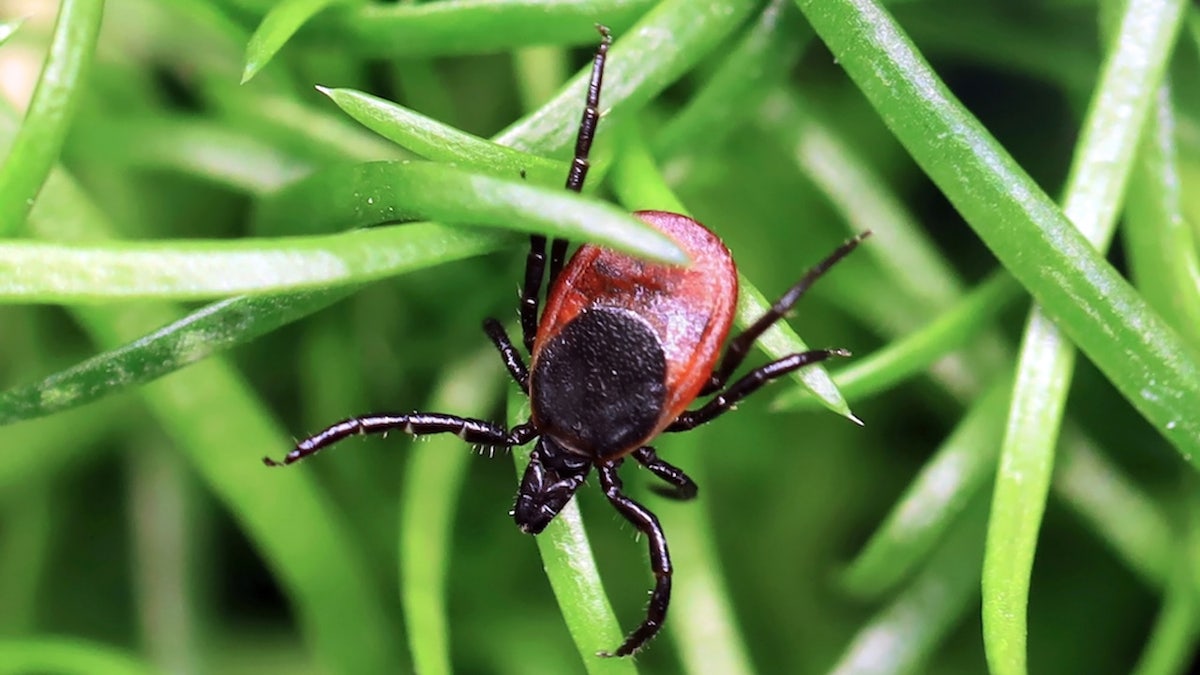
Powassan carries an incubation period of one to four weeks before symptoms manifest.(iStock)
Parada noted that while Powassan remains rare compared to Lyme disease, it posesclinical concern.
Dr.He noted that Powassan carries an incubation period of one to four weeks before symptoms manifest.
TEST YOURSELF WITH OUR LATEST LIFESTYLE QUIZ
Initial symptoms include fever,headache, vomiting and weakness, though some infected individuals remain asymptomatic, according to the CDC.
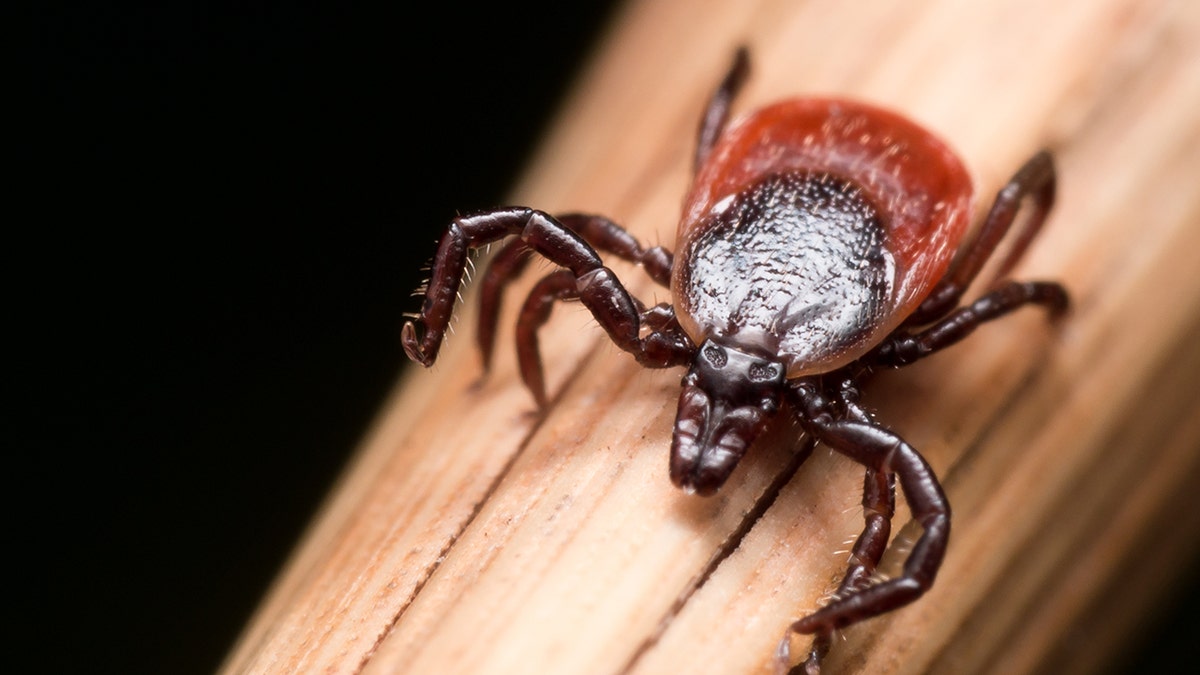
There are currently no specific medications or vaccines to treat or prevent Powassan virus.(iStock)
The virus can progress to severe neurological complications, including encephalitis (inflammation of the brain) and meningitis (inflammation of the spinal cord membranes).
In severe cases, patients may experience confusion, loss of coordination, difficulty speaking and seizures, per the CDC.
“One of the most dangerous aspects of it is its rapid transmission.”
Approximately 10% of Powassan cases involving severeneurological diseaseare fatal, and many survivors experience long-term neurological issues.
onelink.me/xLDS?pid=AppArticleLink&af_web_dp=https%3A%2F%2Fwww.
There are currently no specific medications or vaccines to treat or prevent Powassan virus;clinical care is limited to supportive therapy, such as intravenous fluids and respiratory support.
While anyone can develop severe illness, those at the highest risk include children,older adultsand immunocompromised individuals, experts caution.
![[aggregator] downloaded image for imported item #83025](https://newsview.top/wp-content/uploads/2026/05/two-friends-walking-having-deep-conversation-1024x576.gif "5 common walking mistakes that could hurt your progress, according to an expert")
![[aggregator] downloaded image for imported item #83018](https://newsview.top/wp-content/uploads/2026/05/upscale-expensive-water-trend-1024x576.jpg "Filtered water at specific ages could add months to your lifespan decades later, new study finds")
![[aggregator] downloaded image for imported item #83327](https://newsview.top/wp-content/uploads/2026/05/young-woman-headache-kitchen-fox-news-001-1024x576.jpeg "Experimental Alzheimer’s drug could reduce alcohol withdrawal damage, researchers say")
![[aggregator] downloaded image for imported item #83320](https://newsview.top/wp-content/uploads/2026/05/fox-news-health-dementia-study-sitting-1024x576.jpg "One type of sitting may pose greater dementia risk than another, study suggests")