
![[aggregator] downloaded image for imported item #70342](https://newsview.top/wp-content/uploads/2026/04/UK-EDWARD-THE-CONFESSOR-MEDIEVAL-SEAL-DISCOVERY-HISTORY-ARCHAEOLOGY-2-1024x576.jpeg "Rare royal artifact linked to influential king-turned-saint uncovered after decades missing")
This post was originally published on this site.
Officials recently unveiled the discovery of an11th-century wax sealbelonging to one of the most influential monarchs in English history.
The seal, which had been missing since the 1980s, was found by a Ph.D.student in the Archives Nationales in Paris, where it has been held since the 18th century.
Known as the Saint-Denis seal, the artifact was uncovered in 2021, though the discovery has only now been made public.
LEGENDARY CAPTAIN WHO INSPIRED ‘THE THREE MUSKETEERS’ MAY HAVE BEEN FOUND UNDER CHURCH ALTAR
The seal was used by Edward the Confessor, who ruled England from 1042 to 1066.
“By far the best-preserved impression of the three seals known to have been used by Edward, its loss sparked great consternation among international historians,” the University of Exeter said in an April statement.
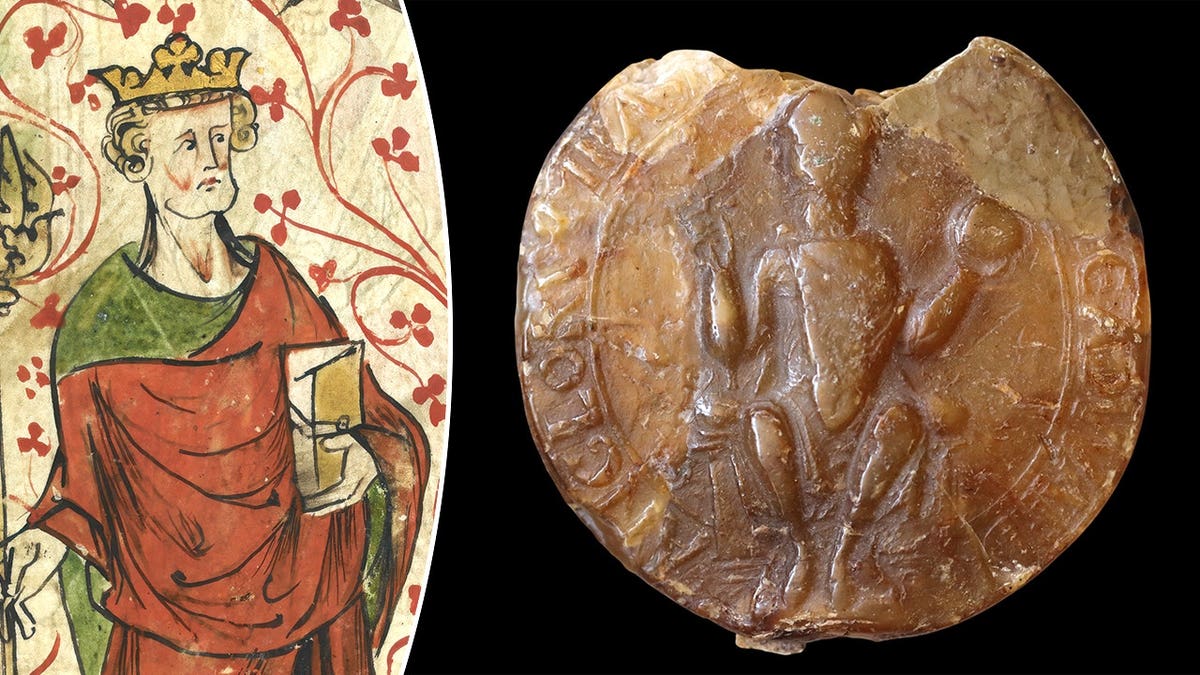
An 11th-century artifact connected to Edward the Confessor was recently identified after decades out of view.(iStock;Paris, Archives nationales, Sc/x/832)
“But it has now emerged that the wax artifact was found by a curator and a Ph.D.student conducting research in a section of the Paris archive that contained a collection of detached and damaged seals,” the release added.
Edward was the last ruler of the Anglo-Saxon royal line beforethe Norman Conquest.
DISCOVERY AT MONTICELLO REVEALS CONSTRUCTION SECRETS THOMAS JEFFERSON LEFT OUT OF MAPS AND LETTERS
Harold Godwinson, who died at the Battle of Hastings, was technically the last Anglo-Saxon king, though he was not part of the same royal line.
Edward, known forhis strong piety, is also distinguished as one of the few English kings to be canonized.
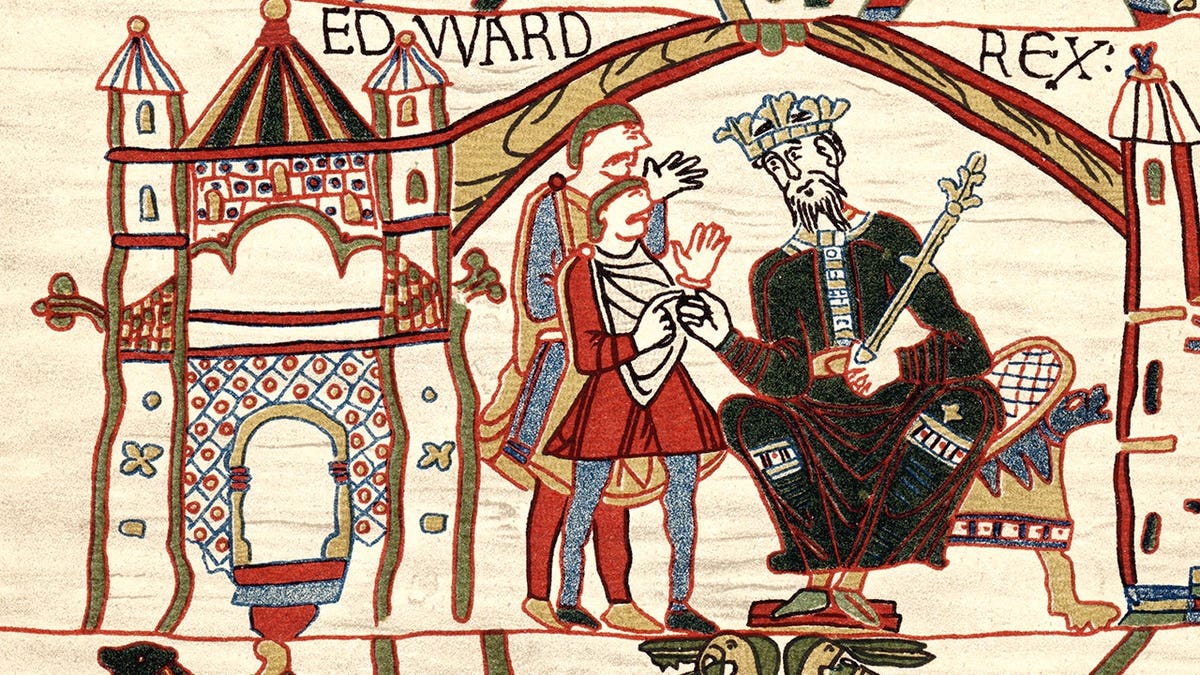
Edward the Confessor, depicted above, maintained close ties to Normandy, influencing England’s political and cultural direction.(iStock)
He was canonized by Pope Alexander III in 1161, and his shrine at Westminster Abbey became a major pilgrimage site in medieval England.
medieval historyprofessor at the University of Exeter.
“Whoever restored it clearly was blissfully unaware that the seal was thought lost!”
Roach, whose findings were
“The detached seals section of the French National Archives was used to train up archivists in restoration practices in the ‘80s and ‘90s, so this is presumably the product of such work,” he said.
“Whoever restored it clearly was blissfully unaware that the seal was thought lost!”
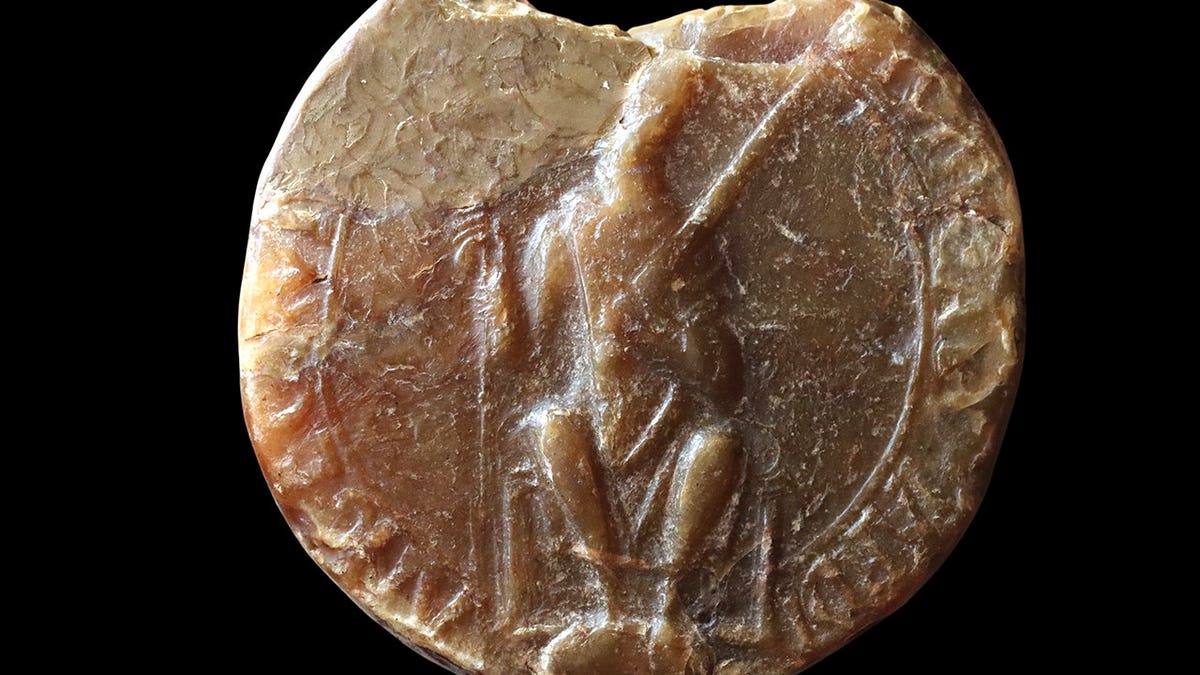
Historians are examining a long-missing wax seal associated with Edward the Confessor’s royal court.(Paris, Archives nationales, Sc/x/832)
Roach also noted the seal shows Byzantine influence, including its use of the imperial title “basileus” and sword imagery.
The find highlights how those ideasspread across Europe— and even reached England faster than previously understood.
TEST YOURSELF WITH OUR LATEST LIFESTYLE QUIZ
“Direct contacts with the Byzantine Empire existed, but are much less well evidenced than indirect ones,” he noted.
“The seal’s iconography demonstrates not only that Byzantine influences reached England via France, Germany and Italy — as has long been known — but also did so directly from Byzantium, in some cases within the span of little more than a decade.”
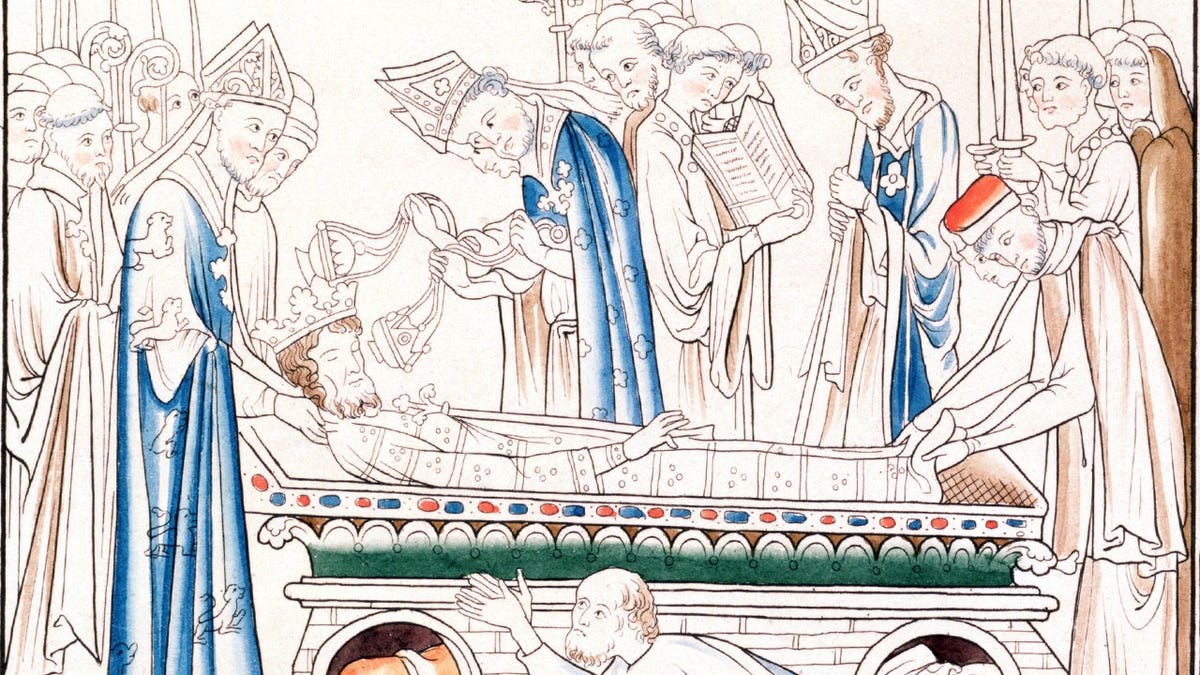
The death of Edward the Confessor marked the end of an era just before the Norman Conquest.(Historical Picture Archive/CORBIS/Corbis via Getty Images)
These influences show that England was more connected to continental Europe before the Norman Conquest than people might assume, Roach added, pointing to rare royal documents — among the only known examples — produced by continental scribes and Edward’s close ties to Normandy.
onelink.me/xLDS?pid=AppArticleLink&af_web_dp=https%3A%2F%2Fwww.
“This demonstrates growing continental influence under Edward,” he said.
“Many of the processes we classically associate with the Norman Conquest had already begun in his reign.”
![[aggregator] downloaded image for imported item #52607](https://newsview.top/wp-content/uploads/2026/03/golden-visa-dubai-stranded-americans-1024x576.jpg "Wealthy golden visa holders evacuated from UAE as Iran conflict escalates")
![[aggregator] downloaded image for imported item #53173](https://newsview.top/wp-content/uploads/2026/03/dhs-shutdown-airlines-flight-fox-news-1024x576.jpg "Flight passengers are warned things could get worse amid DHS shutdown, delays and callouts")
![[aggregator] downloaded image for imported item #53484](https://newsview.top/wp-content/uploads/2026/03/flight-passenger-tsa-lines-fox-news-shutdown-1024x576.jpg "TSA warns of security 'threat' as airport checkpoint closures trigger more travel delays")
![[aggregator] downloaded image for imported item #53477](https://newsview.top/wp-content/uploads/2026/03/carnival-firenze-ship-cancels-sailings-1024x576.jpg "Major cruise line cancels planned sailings, upending vacations: 'Definitely a disappointment'")