
![[aggregator] downloaded image for imported item #122610](https://newsview.top/wp-content/uploads/2026/09/woman-eating-keto-depression-reduction-1024x576.jpg "Popular diet slashes liver fat by 67% while reversing prediabetes in some people")
This post was originally published on this site.
Theketo dietmay have surprising benefits for liver health, a new study suggests.
The research, published in the journal Cell Metabolism, studied 42 adults who hadobesity, prediabetes and excess liver fat.
In a randomized clinical trial, the participants were assigned to threeweight-loss diets– a low-carb ketogenic diet, a Mediterranean diet and a low-fat, mostly plant-based diet.
SECRET TO WEIGHT LOSS MAY BE HIDING IN YOUR GUT, NEW STUDY SUGGESTS
The keto diet’s calories consisted of about 4% carbohydrates and 73% fat, according to the study.The Mediterranean diet provided about 50% of calories from carbohydrates and 35% from fat, while the low-fat diet provided about 70% of calories from carbohydrates and 15% from fat.
In all three groups, muscle insulin sensitivity improved by about 50%, helping the muscles take up blood sugar more efficiently.

Liver fat decreased by roughly 67% in those following the keto diet, compared to about 45% with the other diets.(iStock)
Liver insulin sensitivity improved two to three times as much in the keto group as in the other diet groups.
Liver fatdecreased by roughly 67% among people following the keto diet, compared with about 45% among those on the other diets.The reduction was linked to a decrease in the liver’s production of new fat.
Glucose and insulin measures also generally improved more in the keto group.About 50% of participants in that group no longer met the criteria for prediabetes by the end of the trial, compared with 29% of those following theMediterranean dietand 7% of those on the low-fat diet.
ONE COMMON TYPE OF FAT MAY INCREASE DIABETES RISK, WHILE ANOTHER HELPS FIGHT IT
The study’s short duration and small sample size — about 14 people in each diet group — limit how broadly the findings can be applied to the general population, the researchers said.
The researchers concluded that, among people withobesity, prediabetes and excess liver fat, the composition of a weight-loss diet may influence certain metabolic outcomes beyond the effects of weight loss alone.The keto diet produced the greatest improvements in liver fat and liver insulin sensitivity in this small trial.
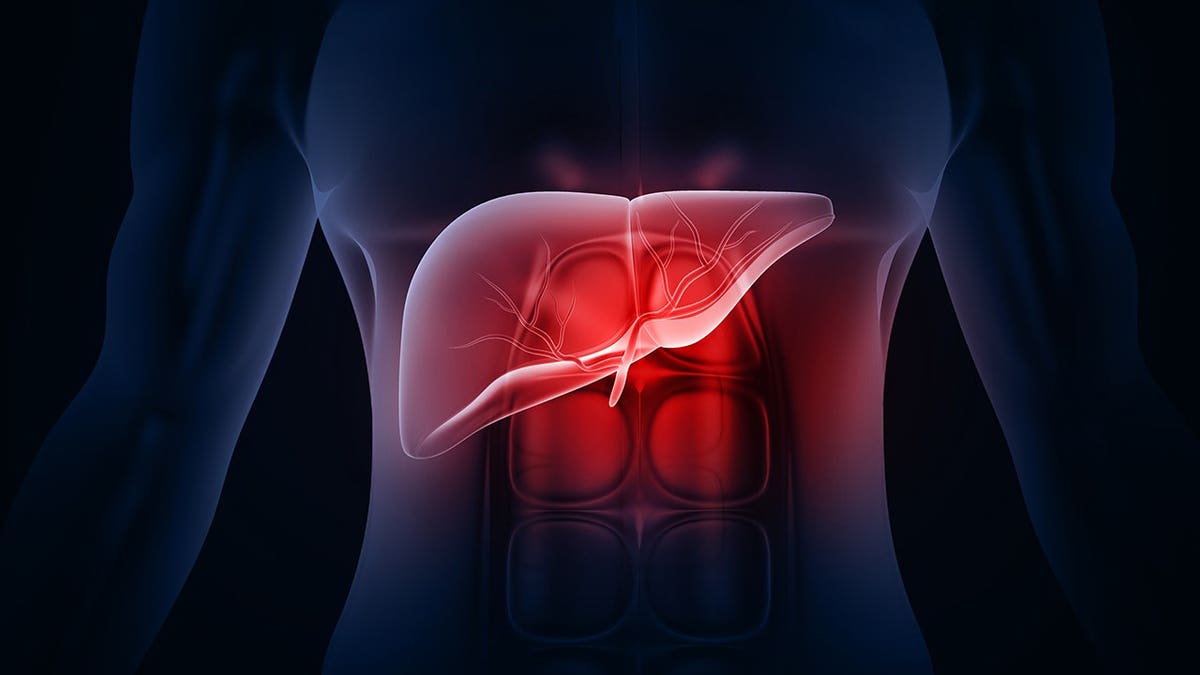
People on the keto diet saw two to three times greater improvements in how well their liver responded to insulin.(iStock)
Registered dietitian nutritionist Ilana Muhlstein reflected on the study findings.
“I love more and more validation and recognition that calories are not equal,�
Muhlstein said people often reduce weight loss to “just a calorie deficit,” but this study showed that differences in macronutrients were associated with different changes inhealth markersdespite similar weight loss.
POPULAR DIET TREND COULD BOOST MENTAL HEALTH AMONG OLDER ADULTS, STUDY FINDS
Although weight loss occurred across all three groups, Muhlstein said the participants experienced different internal metabolic changes.The keto group showed a greater reduction in the liver’s production of new fat, along with metabolic changes consistent with greater fat burning.

Anyone with a fatty liver should consider transitioning to a lower carbohydrate diet, a nutritionist advised.(iStock)
Muhlstein explained that excess calories and metabolic dysfunction can cause fat to accumulate in the liver, even in people who do not drink alcohol.
She recommends that anyone with a fatty liver should consider transitioning to alower carbohydrate diet.
Muhlstein said reducing carbohydrate intake may encourage the body to use more stored fat for energy.
The findings were notable because the keto group did not experience higher cholesterol or blood-fat measurements during the short study, the expert noted.
“This is a really interesting study for someone who has prediabetes, someone who had blood sugar irregularity, but maybe still something to be cautious of if someone hasheart diseasein the family or is at high risk of heart disease,” she added.

After achieving significant weight loss, the nutritionist recommends transitioning to something closer to the Mediterranean diet for “long-term overall health.”(iStock)
Overall, Muhlstein said the findings suggest keto may be worth discussing as a short-term option for some people with obesity or prediabetes, particularly because the study found greater reductions in liver fat and higher rates ofprediabetes remission— even though weight loss was similar across the three groups.
TEST YOURSELF WITH OUR LATEST LIFESTYLE QUIZ
“Keto is not something I recommend for anyone long-term because of the high saturated fat, and usually it translates into a lower-fiber diet, which is not good for heart health,” Muhlstein said.
onelink.me/xLDS?pid=AppArticleLink&af_web_dp=https%3A%2F%2Fwww.
“So potentially, it should be something used short-term early on for someone with prediabetes, and then they can transition into Mediterranean, which would be overall helpful for your heart,your brainand so much more.”
![[aggregator] downloaded image for imported item #118987](https://newsview.top/wp-content/uploads/2026/08/man-surfing-1024x576.jpg "Men face new pressure to stay ‘hot’ as they age — and it’s not just about living longer")
![[aggregator] downloaded image for imported item #118980](https://newsview.top/wp-content/uploads/2026/08/man-taking-medication-bed-1024x576.jpg "Popular erectile dysfunction drug linked to eye disease that can cause irreversible vision loss")
![[aggregator] downloaded image for imported item #119089](https://newsview.top/wp-content/uploads/2026/08/lillian-smart-family-photo-death-1024x576.jpg "Louisiana girl, 8, dies after contracting suspected brain-eating amoeba linked to lake swim")
![[aggregator] downloaded image for imported item #119262](https://newsview.top/wp-content/uploads/2026/08/hilaria-baldwin-studio-still-1024x576.jpg "'Perfect' workout formula can take just 10 minutes a day, Hilaria Baldwin says")