
![[aggregator] downloaded image for imported item #107915](https://newsview.top/wp-content/uploads/2026/07/DUTCH-TRADING-SHIP-MYSTERY-SOLVED-HISTORY-ARCHAEOLOGY-DISCOVERY-4-1024x576.jpg "Mystery of gold coin shipwreck finally unmasked after 30 years: 'Fantastic conclusion'")
This post was originally published on this site.
Researchers in the United Kingdom believe they’ve finallyidentified a shipwreckoff England’s southern coast — a discovery three decades in the making.
The identification was announced in June by Bournemouth University and centers on a shipwreck discovered near Salcombe, Devon, in 1995.
At the time, divers recovered more than 400 Moroccan gold coins — but there was no clue as to what the ship was called and where it came from.
1,740-YEAR-OLD ROMAN COIN BEARING EMPEROR’S NAME FOUND AS ENGLAND RAIL DIG REVEALS CLUES
Now, researchers have identified it as the Dutch trading ship Dom van Keulen, a vessel thatleft Moroccofor the Netherlands in the fall of 1633.
At the time, the ship “sprang a leak and sank,” according to the university’s news release.All crew members survived.
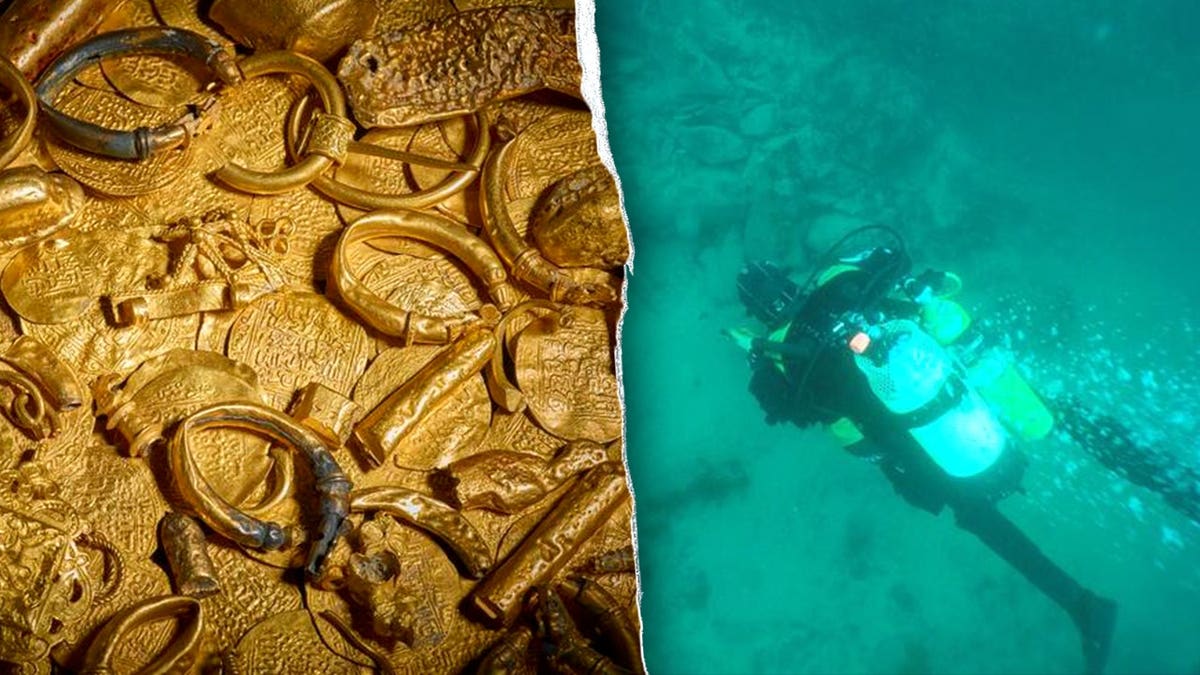
The identification of the Dom van Keulen followed decades of collaboration among divers, archaeologists and researchers from multiple institutions.(British Museum;Maritime Archaeology Sea Trust (MAST))
The findings are detailed in therecently published book“From Morocco to the Coast of England: The Story of the Dom van Keulen and its Remarkable Cargo.”
SHAKESPEARE’S MISSING LONDON HOME PINPOINTED AFTER CENTURIES-LONG MYSTERY, RESEARCHER SAYS
The identification involved nearly 30 years of collaboration between researchers and divers fromthe British Museum, Bournemouth University and the South West Maritime Archaeology Group.
Very little is known about the appearance or size of the Dom van Keulen and no known paintings of the ship exist, according to the Bournemouth University release.
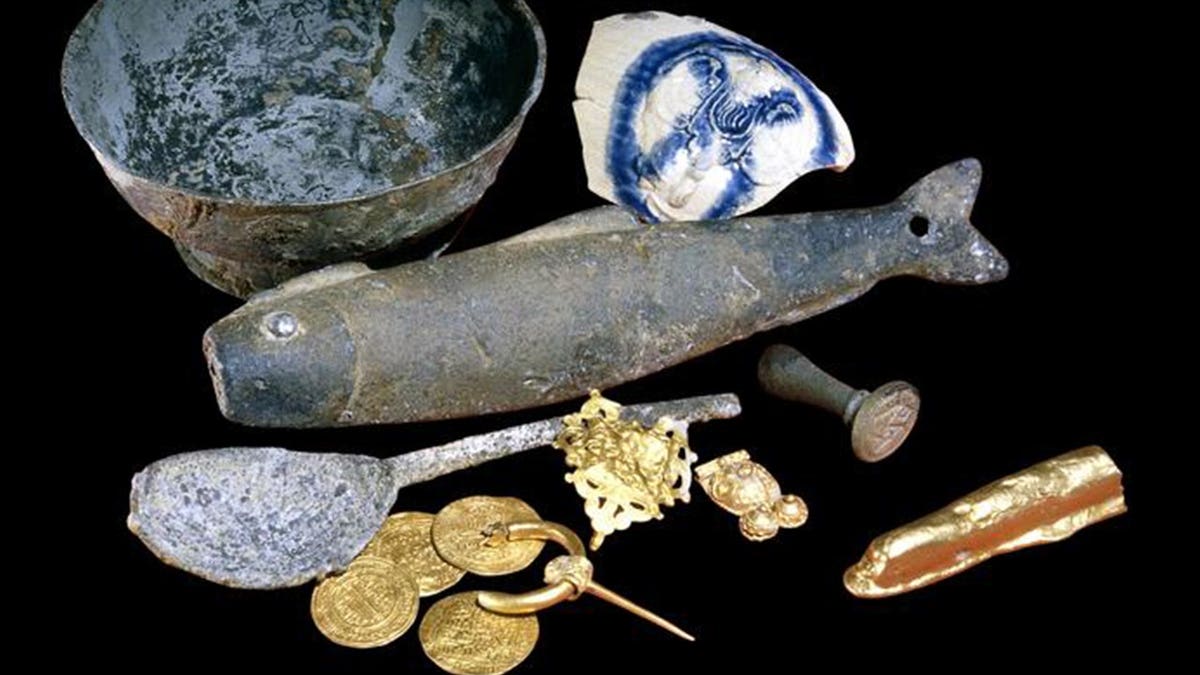
Artifacts recovered from the shipwreck have helped researchers reconstruct the history of a Dutch merchant vessel lost off the Devon coast.(British Museum via Bournemouth University)
The wreck sitemeasures about 98 feet long and rests roughly 59 feet below the surface, where cannons, anchors and other artifacts are still scattered across the seabed.
Dave Parham, a professor of maritime archaeology at Bournemouth University and co-editor of the book, said the ship was carrying 150 bags of gum arabic, 64 bags of saltpeter, 320 goat skins and 9,000 Barbary ducats, or Moroccan gold coins.
TEST YOURSELF WITH OUR LATEST LIFESTYLE QUIZ
“It is thought that most of the cargo was salvaged at the time, butmore than 400 coinsremained on the seabed until they were discovered by the South West Maritime Archaeology Group in 1995,” Parham said in the press release.
“It reminds us how much there is still to be found under our seas.”
Though he doesn“general cargo” — a mix of everyday trade goods.
Parham said one of the most surprising aspects of the research was how ordinary most of the ship’s cargo was — aside from the gold coins, which were crucial to the identification process.
“It was the presence of the Moroccan coins, together with the dating evidence provided by the other finds, that allowed the historical research to be focused,” he said.
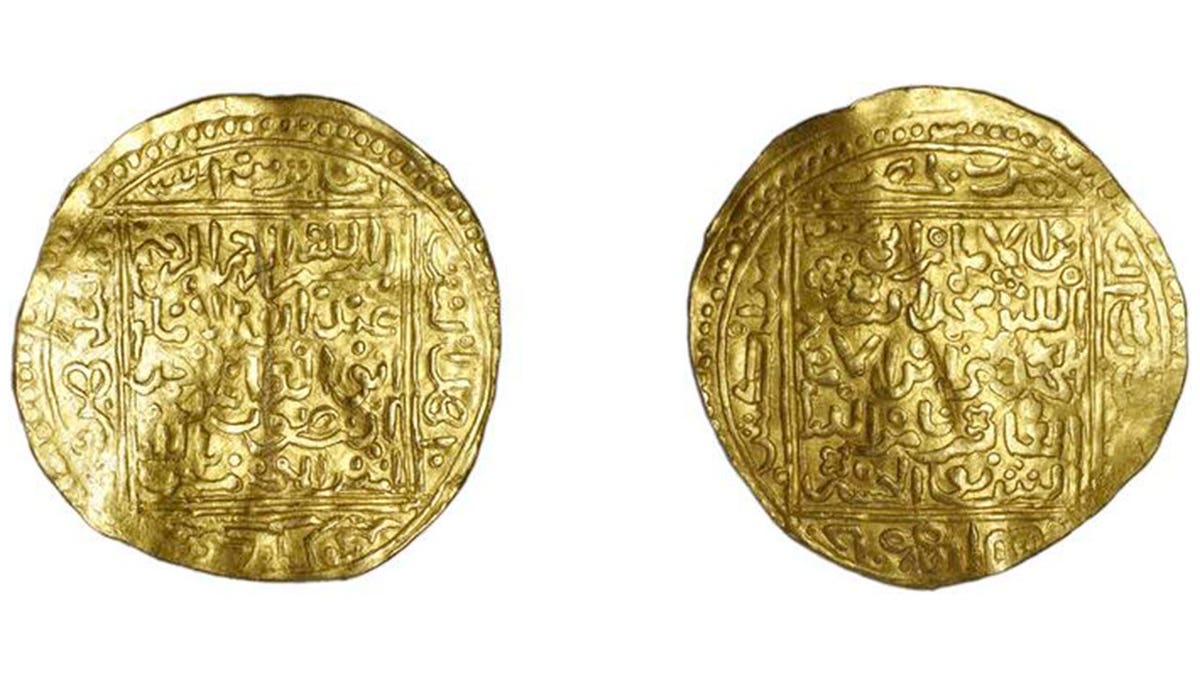
Moroccan gold coins recovered from the wreck provided historians with key evidence linking the vessel to a Dutch trading voyage from Morocco.(British Museum via Bournemouth University)
He added that one of the most remarkable aspects of the discovery was that an international museum collaborated with a group of divers to reach “such a fantastic conclusion.”
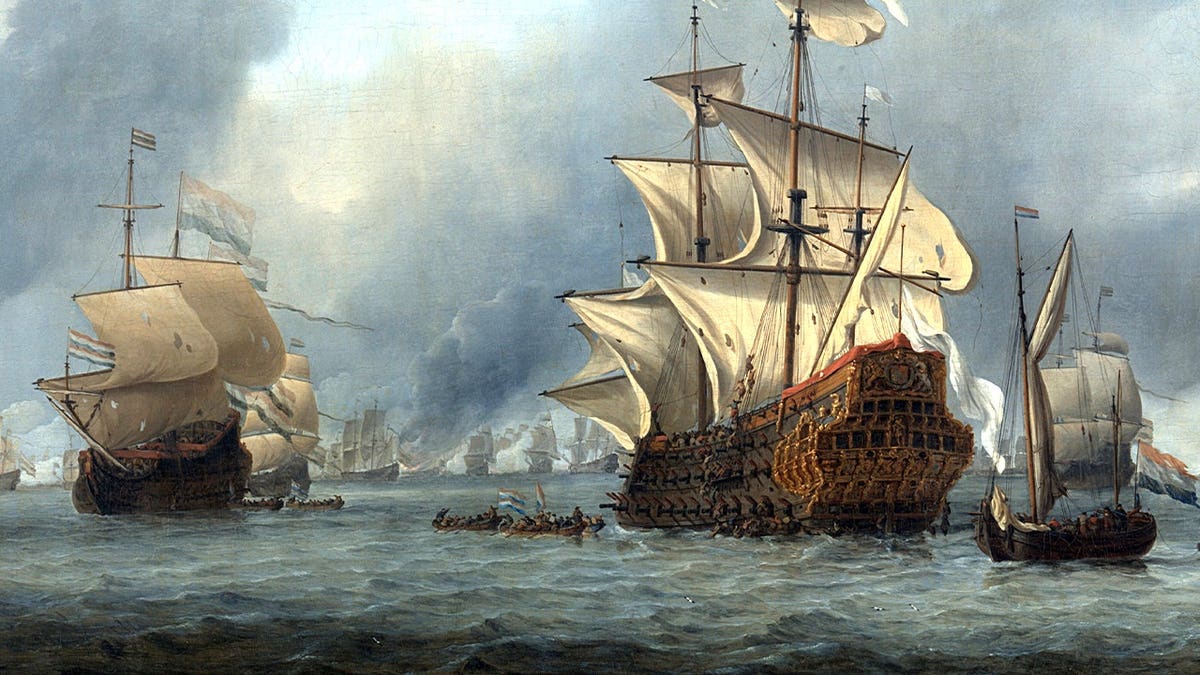
No known images of the Dom van Keulen exist.Shown here is a 17th-century Dutch trading ship similar to the vessel researchers believe sank off England’s southern coast in 1633.(Universal History Archive/Universal Images Group via Getty Images)
“The discovery of African gold from under the sea off the coast of Devon was an amazing find that raised so many questions about how it came to be there,” Hill said, according to the Bournemouth University release.
onelink.me/xLDS?pid=AppArticleLink&af_web_dp=https%3A%2F%2Fwww.
“The story can now be told of how a Dutch ship carrying North African gold was wreckedoff the English coast, making this a discovery of international importance.It reminds us how much there is still to be found under our seas.”
![[aggregator] downloaded image for imported item #106609](https://newsview.top/wp-content/uploads/2026/07/san-diego-park-zoo-tourists-1024x576.jpg "Rabid bat found near zoo restaurant sparks urgent public health warning: 'Extremely serious'")
![[aggregator] downloaded image for imported item #106602](https://newsview.top/wp-content/uploads/2026/07/pan-am-1952-plane-crash-1024x576.png "Long-lost Pan Am crash wreckage found decades after deadly disaster that reshaped airline safety")
![[aggregator] downloaded image for imported item #106974](https://newsview.top/wp-content/uploads/2026/07/REV-WAR-BATTLE-OF-CAMDEN-JOHN-PUMPHREY-HISTORY-DISCOVERY-ARCHAEOLOGY-1-1024x576.jpg "Experts finally solve mystery of teenage Revolutionary War soldier 246 years after his death")
![[aggregator] downloaded image for imported item #106966](https://newsview.top/wp-content/uploads/2026/07/shark-sighting-ocean-1024x576.jpg "10-foot great white shark spotted swimming dangerously close to young people")