
![[aggregator] downloaded image for imported item #63992](https://newsview.top/wp-content/uploads/2026/04/woman-donating-blood-vaccinations-1024x576.jpg "More patients demand ‘unvaccinated’ blood, doctors warn of growing health risks")
This post was originally published on this site.
An increasing number of patients are requesting “unvaccinated” blood for transfusions, which can delay care and pose risks to patients’ health, experts warn.
There is no evidence thatunvaccinated bloodpresents any safety benefit, according to a new study published in the journal Transfusion.
There is currently no process for checking whether donated blood comes from vaccinated or unvaccinated donors, experts say.
CANCER SURVIVAL APPEARS TO DOUBLE WITH COMMON VACCINE, RESEARCHERS SAY
Vanderbilt University in Tennessee, which conducted the research, received 15 requests for unvaccinated blood between Jan.1, 2024, and Dec.31, 2025.The median age of patients was 17 years old and more than halfwere children, the university reported.
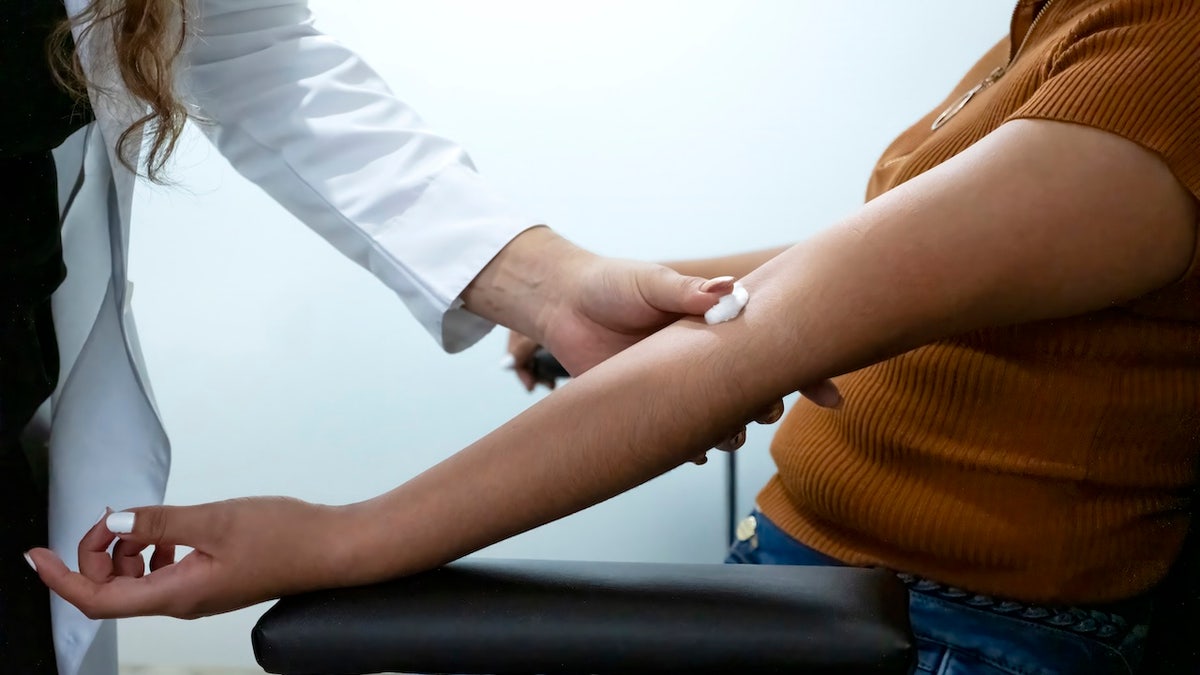
An increasing number of patients are requesting “unvaccinated” blood for transfusions, which can delay care and pose risks to patients’ health, experts warn.(iStock)
Thirteen of the patients received blood donated specifically for them by family members, which is known as “direct donation.” This can be risky, because most direct donors are giving blood for the first time, and their donations are more likely to contain “potentiallyharmful pathogens,” the authors noted.
“Despite being framed as ‘safer,’ directed donations may paradoxically increase risk.”
COVID VACCINE UNDER NEW SCRUTINY AFTER STUDIES REVEAL POSSIBLE HEALTH RISKS
Among the studied patient group, two became much sicker after refusing a standard blood transfusion.
One patient developed anemia, a condition where the body lacks enough healthy red blood cells to carry adequate oxygen.The other developedhemodynamic shock, a serious condition in which there is insufficient blood flow and oxygen to the body’s tissues, potentially leading to organ failure.
“Despite being framed as ‘safer,’ directed donations may paradoxically increase risk.”
Requests for unvaccinated blood spiked after the approval ofCOVID-19 vaccines, posing a “recurring challenge for transfusion services and clinicians,” the researchers stated.
“These requests were associated with care delays, escalation and inefficiencies,” they indicated.
FAMILY PLEADS FOR HELP AS TEEN FACES LIFE-THREATENING BONE MARROW FAILURE
The researchers recommend that health systems create standardized policies to handle these types of requests.
“Regulatory and professional organizationshave opposed these non-evidence-based policies, emphasizing that blood centers do not record or convey donor COVID-19 vaccination status and that evidence demonstrates transfusion from vaccinated donors poses no unique risk.”
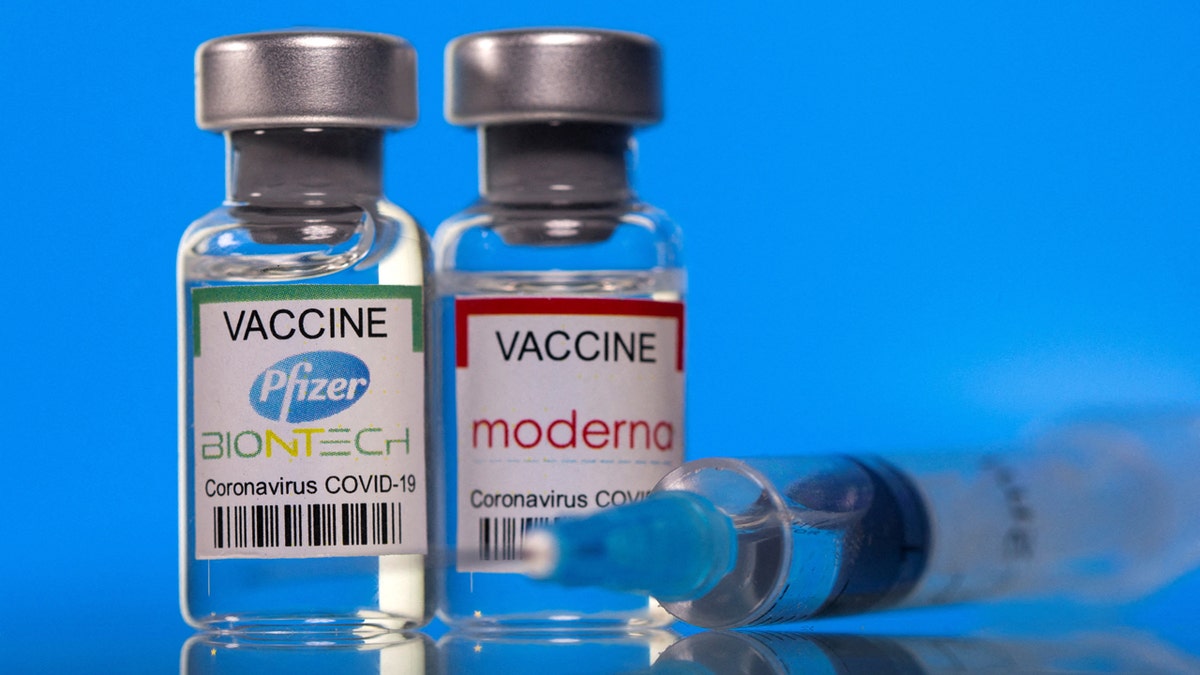
Requests for unvaccinated blood spiked after the approval of COVID-19 vaccines, posing a “recurring challenge for transfusion services and clinicians,” the researchers stated.(Reuters/Dado Ruvic/Illustration/File Photo)
The Vanderbilt study had some limitations, the researchers noted.It looked at a few cases and only included situations where special blood donations made it to the blood bank, so it doesn’t show how often people made this request overall.
conversations with doctorsor ethics teams, the team noted.
As this was an observational study and not a controlled experiment, it only showed an association and could not prove that refusing standard blood directly caused any specificpatient outcomes.
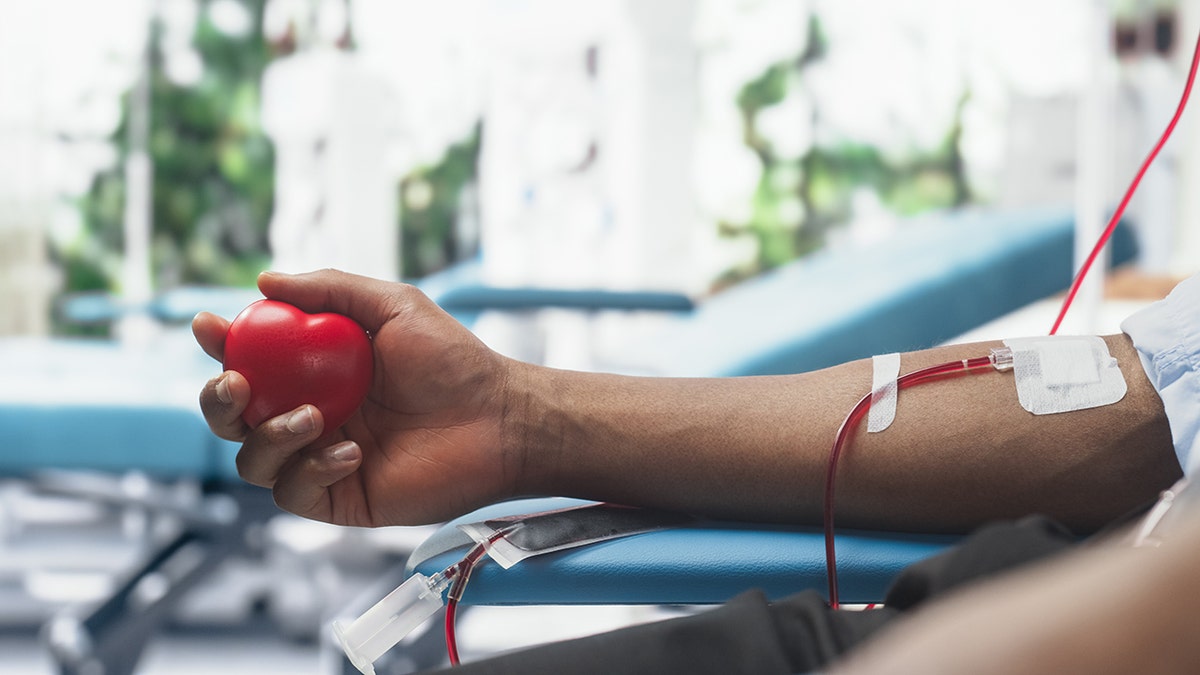
The notion that receiving blood from someone who had the vaccine would be harmful is not based on any scientific studies, doctors say.(iStock)
Dr.�part of an ongoing fear culture.”
“It is also very difficult to test for, because the antibodies may be positive from COVID itself as well as the vaccine, and it can be difficult to tell the difference,�
onelink.me/xLDS?pid=AppArticleLink&af_web_dp=https%3A%2F%2Fwww.
The notion that receiving blood from someone who had the vaccine would be harmful is not based on anyscientific studies, the doctor reiterated.
“If people want to group up to get blood from other unvaccinated people, I respect that choice, though it will be expensive and will limit options,” Siegel added.
“Requests for unvaccinated blood are something we’ve seen wax and wane since the introduction of the COVID vaccine,” an expert said.(iStock)
Diane Calmus, vice president of government affairs for America’s Blood Centers in Washington, D.C., said that requests for direct donations are “exceedingly rare” – representing about 0.06% of the U.S.blood supply.
“Requests for unvaccinated blood are something we’ve seen wax and wane since the introduction of theCOVID vaccine,�“The challenge is that there’s no way to tell whether someone’s blood has been vaccinated – there’s no test that exists.”
TEST YOURSELF WITH OUR LATEST LIFESTYLE QUIZ
Any situation where someone requires a blood transfusion is most likely a “very scary time,” she noted.
“Family members want to be cautious, and this is why it’s so important that people talk to a transfusion medicine-trained doctor,” the expert advised.“These are physicians who have a specialty in blood transfusions … and who can answer those questions that any individual will have.”
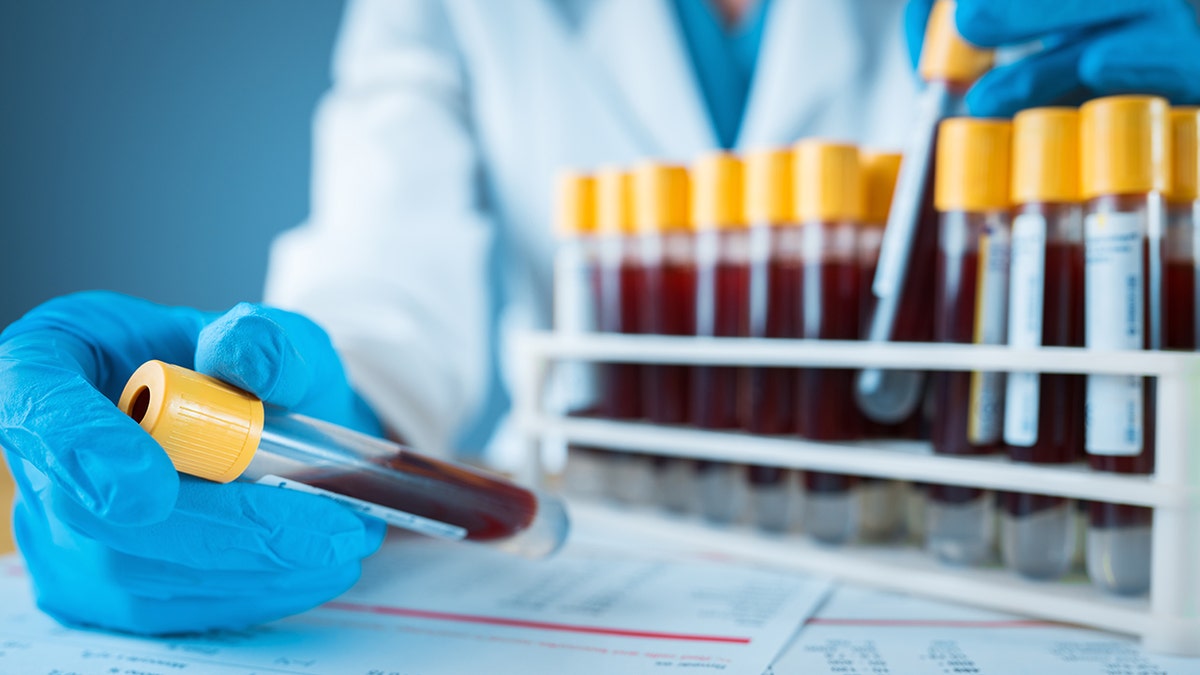
“Blood has to be prescribed.You can’t just show up at the blood center and say, ‘I would like my sister to donate for me,’” an expert said.(iStock)
Calmus pointed out that it takes some time to facilitate a direct donation, and that there is a specific process in place.
“Blood has to be prescribed.You can’t just show up at the blood center and say, ‘I would like my sister to donate for me,’” she said.“There needs to be a prescription.It needs to gothrough the hospital… they need to make sure it is the right blood for the right patient.”
“We need people – vaccinated or not vaccinated – to show up and donate blood, because it is the blood on the shelves that saves lives.”
Calmus emphasized that the U.S.blood supply is “meticulously tracked,” and that there have been no indications of a lack of safety.She also stressed the ongoing need forblood donors.
“We need people – vaccinated or not vaccinated – to show up and donate blood, because it is the blood on the shelves that saves lives.”
![[aggregator] downloaded image for imported item #41500](https://newsview.top/wp-content/uploads/2026/02/man-brushing-tteth-1024x576.jpg "Simple brushing routine could reduce dementia risk, say dental health experts")
![[aggregator] downloaded image for imported item #41842](https://newsview.top/wp-content/uploads/2026/02/people-taking-supplements-diabetes-1024x576.jpg "Some supplements may pose risks for people with diabetes, experts say")
![[aggregator] downloaded image for imported item #42218](https://newsview.top/wp-content/uploads/2026/02/neurologist-brain-scan-1024x576.jpg "Blood test could predict when Alzheimer's symptoms will start years in advance")