
![[aggregator] downloaded image for imported item #107292](https://newsview.top/wp-content/uploads/2026/07/woman-holding-bpc-157-peptide-injection-1024x576.jpg "Millions could gain easier access to popular peptides after FDA panel vote")
This post was originally published on this site.
An FDA advisory committee has voted by a majority to recommend broader access tocertain peptides.
Peptides are short chains of amino acids that help regulate functions such as metabolism, growth and tissue repair, according to Cleveland Clinic.
Some peptides are used in FDA-approved medications, including insulin and GLP-1weight-lossdrugs, while others are experimental compounds marketed for wellness or performance that remain under federal review.
FDA TO REVIEW 7 POPULAR PEPTIDES TOUTED FOR WEIGHT LOSS, HEALING AND LONGEVITY
Seven peptides were reviewed during a two-day hearing held by the FDA’s Pharmacy Compounding Advisory Committee in Maryland last week.The panel considered whether each peptide should be added to the Section 503A Bulks List.
If ultimately approved by the FDA, licensed compounding pharmacies could prepare them forvalid prescriptionsinstead of leaving patients to rely on unregulated online vendors.

Peptides have surged in popularity for weight loss, muscle building, performance enhancement, chronic disease management and even wound repair.(iStock)
The committee voted in favor of loosening restrictions on the following six peptides, according to Reuters.
- BPC-157: Proposed to treat ulcerative colitis
- TB-500: Proposed for wound healing
- KPV: Proposed for wound healing and inflammatory conditions
- MOTS-c: Proposed to treat obesity and osteoporosis
- Semax: Proposed to treat cerebral ischemia (a shortage of blood flow and oxygen to the brain), migraine and trigeminal neuralgia (achronic pain conditionin the face)
- Epitalon: Proposed to treat insomnia

The Pharmacy Compounding Advisory Committee voted in favor of moving six peptides forward.(iStock)
While some peptide experts celebrate this as one step closer to access to life-improving drugs, others claim there isn’t enough data onsafety and efficacy.The FDA will now consider the committee’s recommendation before making a final decision.
Jim LaValle, a Texas-based clinical pharmacist and chair of the International Peptide Society, who testified at the hearings, noted that restrictions still exist.
TEST YOURSELF WITH OUR LATEST LIFESTYLE QUIZ
“This was not FDA approval, nor was it a blanket endorsement of every peptide, every use or unrestricted access,�“I have said throughout this process that you do not solve a quality problem by forcing the market underground.”
“I was encouraged by the committee’s recommendation because it creates an opportunity to move patients away from unverified research use only (RUO), otherwise known as grey market products, and toward a more accountablemedical pathway.”

The “right model” is access with guardrails, qualified clinicians, licensed pharmacies, validated quality testing and “meaningful�(iStock)
LaValle said his work with the International Peptide Society focuses on training clinicians about the potential benefits and risks of peptide therapies as interest in the compounds grows.
The “right model” is access with guardrails, qualified clinicians, licensed pharmacies, validated quality testing and “meaningful” patient follow-up, according to the expert.
“My hope is that the FDA follows the recommendation with a transparent,science-drivenprocess;establishes clear, peptide-specific standards;and follows the guidance for approving a substance that meets the FDA’s current regulations,” LaValle said.
This process includes checking that both the active ingredient and the final product meet quality standards, and setting up a system for tracking and reporting any side effects.
“The peptide revolution is here,” LaValle said.“However, don’t expect miracles.Better choices related todiet, exercise, gut health, sleep, stress and managing metabolic health, guided by regular lab assessments, should be the goal.”
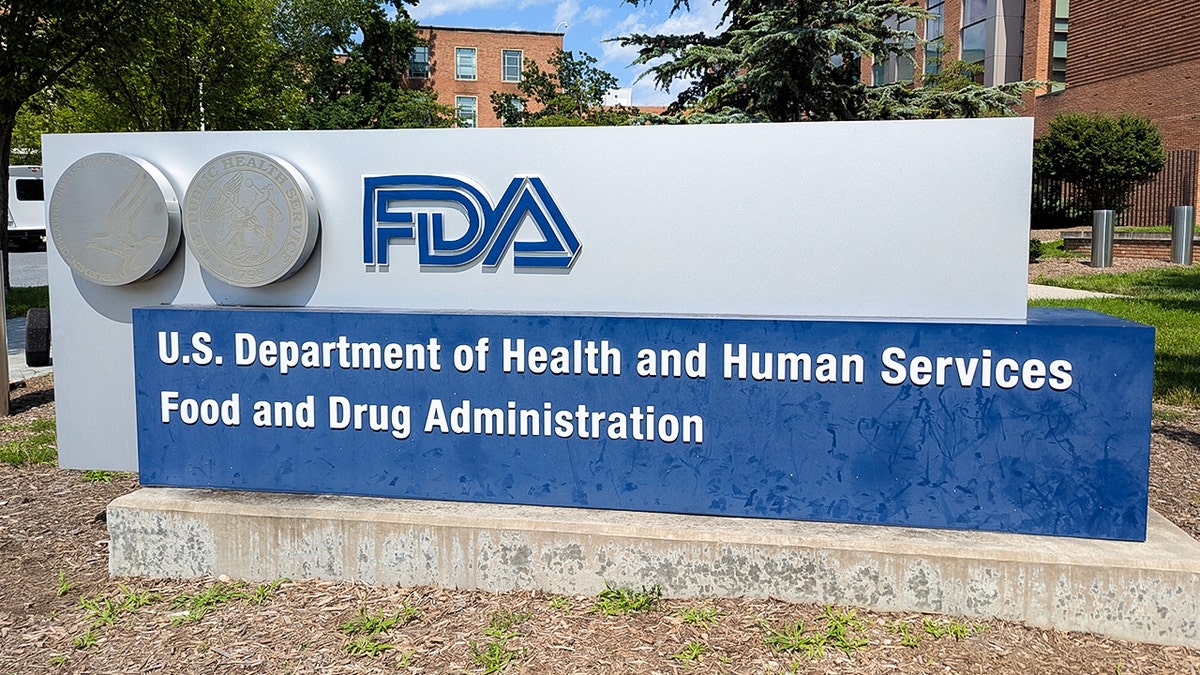
“My hope is that the FDA follows the recommendation with a transparent, science-driven process;establishes clear, peptide-specific standards;and follows the guidance for approving a substance that meets the FDA’s current regulations,” an expert said.(Photo by ISSAM AHMED/AFP via Getty Images)
“In some cases, peptides can play an important part on the journey of performanceaging and repair,” he went on.“The American public should understand that nothing changed overnight.”
LaValle emphasized that the advisory committee’s vote was only a recommendation, not a final FDA decision, and noted that compounded medications areregulated differentlythan FDA-approved drugs.
onelink.me/xLDS?pid=AppArticleLink&af_web_dp=https%3A%2F%2Fwww.
“The evidence is also not equally mature across all peptides that are approved by the FDA,” he noted.“People should avoid products sold online as ‘research use only’ and should not self-experiment.”
“Any consideration of peptide therapy should involve a qualified licensed clinician and a legitimate licensed pharmacy.”
![[aggregator] downloaded image for imported item #105498](https://newsview.top/wp-content/uploads/2026/07/man-asleep-bed-1024x576.jpg "The daytime habit that could transform your sleep, according to new study")
![[aggregator] downloaded image for imported item #105872](https://newsview.top/wp-content/uploads/2026/07/defense-hegseth-senate-committee-capitol-hill-04-30-2026-fox-news-1024x576.jpg "Low testosterone? Hegseth sparks conversation as doctors reveal warning signs every man should know")
![[aggregator] downloaded image for imported item #106025](https://newsview.top/wp-content/uploads/2026/07/man-entering-mri-1024x576.jpg "Brain tumor found during preventive scan puts full-body MRIs back in the spotlight")
![[aggregator] downloaded image for imported item #106249](https://newsview.top/wp-content/uploads/2026/07/kai-trump-golfing-1024x576.jpg "Kai Trump reveals diet and nutrition secrets that created six-pack abs post-surgery")