
![[aggregator] downloaded image for imported item #119573](https://newsview.top/wp-content/uploads/2026/08/older-man-brain-scan-1024x576.jpg "Major brain changes that occur around age 50 could impact dementia risk")
This post was originally published on this site.
The brain may undergo a notable shift at midlife, as new research suggests that its protective immune cells begin to decline and are increasingly replaced by inflammatory cells at around age 50.
Researchers from the University of California, San Diego;New York Genome Center;and University of California, Irvine, found that these brain changes may help explain why aging increases the chances of neuroinflammation andneurodegenerative disease, including dementia.
The study analyzed postmortem tissue from the hippocampus – the portion of the brain that is responsible for learning and memory – in 40 neurologicallyhealthy adults, ranging from 20 to 95 years of age.
THE ‘AGE’ OF YOUR BLOOD COULD PREDICT DEMENTIA RISK, NEW STUDY SUGGESTS
“The most striking change was that after about age 50, the brain’s resident immune cells, called microglia, appear to be increasingly replaced by immune cells that enter from the bloodstream,” first author Nathan Zemke, Ph.D.
“Microglia normally protect the brain by clearing debris and responding to injury, but the incoming cells carry stronger inflammatory signals.”
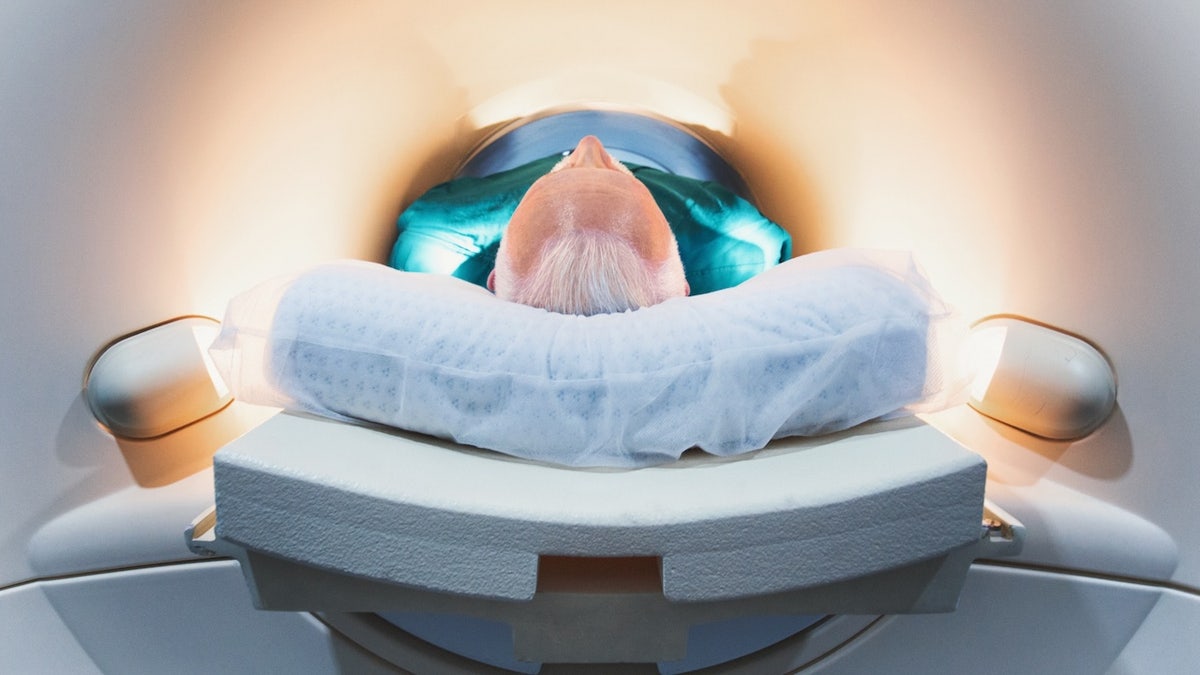
The brain may undergo a notable shift at midlife, as new research suggests that its protective immune cells begin to decline and are increasingly replaced by inflammatory cells at around age 50.(iStock)
The researchers believe this shift may contribute to chronic inflammation linked to cognitive decline and neurodegenerative diseases,including Alzheimer’s.
They also noted the deterioration of cells involved in maintaining the blood-brain barrier – the protective filter that helps keep harmful substances out of the brain – as well as widespread changes in DNA and gene activity.
‘LONGEVITY GENE’ MAY PROTECT THE BRAIN FROM ALZHEIMER’S BY BOOSTING DNA REPAIR, STUDY FINDS
One of the most exciting implications of the study, according to Zemke, is that the replacement immune cells originate in the blood, which means they are more accessible than cells already deep inside the brain.
“It may eventually be possible to modify blood-derived immune cells so that they are more protective and less inflammatory when in the brain,” he said.“That could provide an entirely new way to approach Alzheimer’s and other neurological diseases without having to directly manipulate cells within thecentral nervous system.”
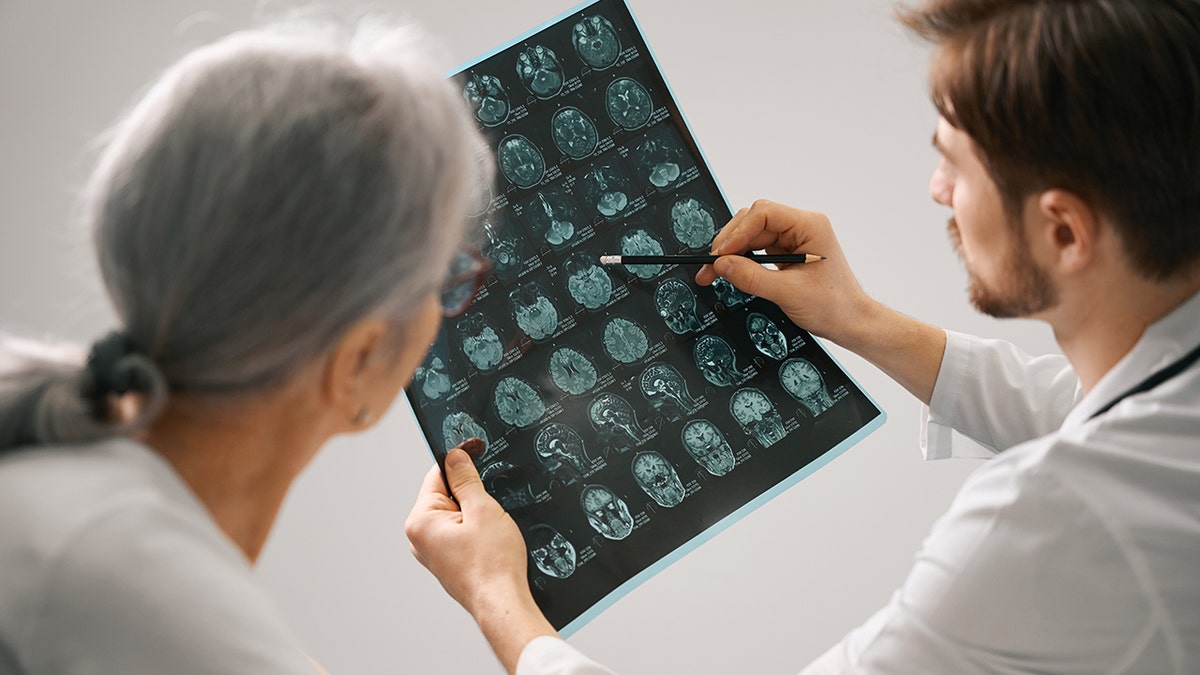
Researchers found that these brain changes may help explain why aging increases the chances of neuroinflammation and neurodegenerative disease, including dementia.(iStock)
Although these findings are still in early stages, Zemke said, gaining a better understanding of why this immune-cell replacement happens – and why it happens earlier in some people than others – could lead to new strategies for preservingbrain health during aging.
The study’s chief limitation is that it studied human brain tissue collected postmortem from different individuals across theadult lifespan, the researchers noted.
TEST YOURSELF WITH OUR LATEST LIFESTYLE QUIZ
“That allows us to identify strong age-related patterns, but it cannot directly show how the same person’s brain changes over decades or prove that a particular cellular change causes cognitive decline or Alzheimer’s disease,” Zemke said.
“We also do not yet know what triggers the influx of blood-derived immune cells into the brain.Determining whether changes in the blood-brain barrier, inflammation,genetics, lifestyle or other factors initiate this process will be an important next step.”
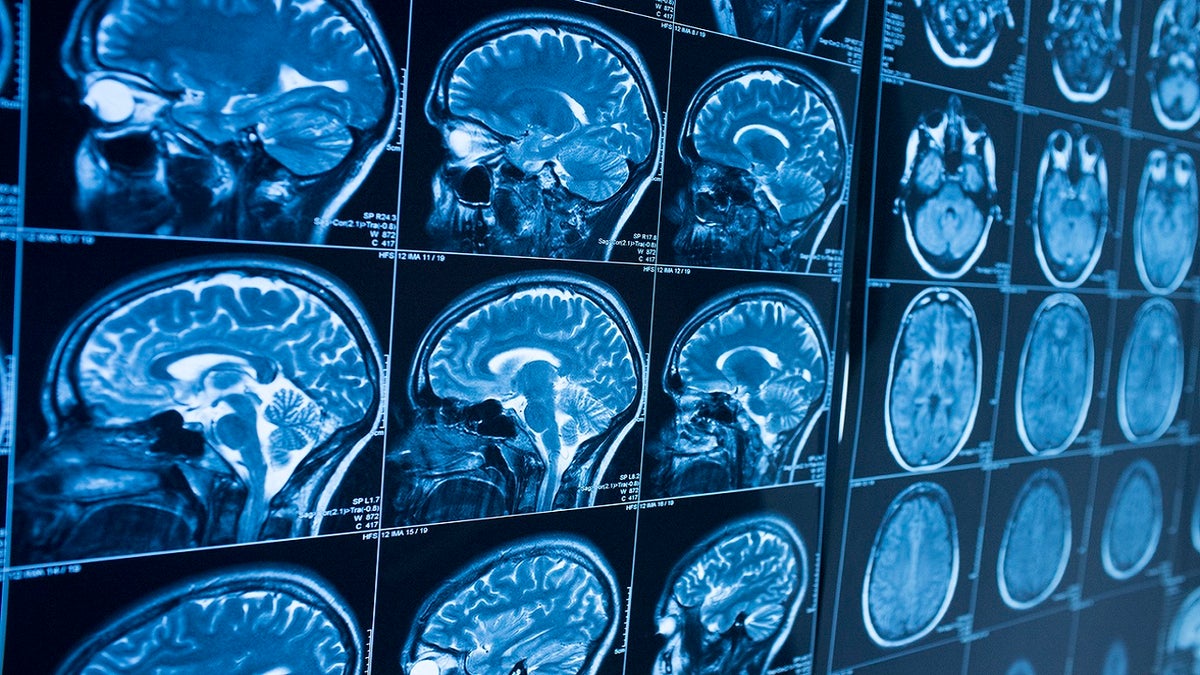
The timing and extent of the brain changes varied considerably between individuals, suggesting that brain aging is not necessarily a fixed process that happens identically in everyone.(iStock)
The researcher emphasized, however, that he would not recommend that people make any specific medical or lifestyle changes based on this study alone.
“These findings are primarily about understanding the biology ofbrain agingand identifying new directions for prevention and treatment,” he said.
“The next challenge is to understand what drives that variation and whether some of those factors can be modified,” Zemke added.
onelink.me/xLDS?pid=AppArticleLink&af_web_dp=https%3A%2F%2Fwww.
The study also included a small sample of just 40 people and examined tissue only from the hippocampus, meaning the findings may not reflect immune changes throughout the entire brain.
The study, which was funded by the National Institutes of Health, was published in the journal Science.
![[aggregator] downloaded image for imported item #118987](https://newsview.top/wp-content/uploads/2026/08/man-surfing-1024x576.jpg "Men face new pressure to stay ‘hot’ as they age — and it’s not just about living longer")
![[aggregator] downloaded image for imported item #118980](https://newsview.top/wp-content/uploads/2026/08/man-taking-medication-bed-1024x576.jpg "Popular erectile dysfunction drug linked to eye disease that can cause irreversible vision loss")
![[aggregator] downloaded image for imported item #119089](https://newsview.top/wp-content/uploads/2026/08/lillian-smart-family-photo-death-1024x576.jpg "Louisiana girl, 8, dies after contracting suspected brain-eating amoeba linked to lake swim")
![[aggregator] downloaded image for imported item #119262](https://newsview.top/wp-content/uploads/2026/08/hilaria-baldwin-studio-still-1024x576.jpg "'Perfect' workout formula can take just 10 minutes a day, Hilaria Baldwin says")