
This post was originally published on this site.
The roar of the crowd at the Masters is a familiar sound, but during Rory McIlroy’s final hole victory, he was tracking a different kind of data: the rhythm of his heart.
As the golfer secured his win, hiswearable devicerevealed a heart rate of 117 beats per minute on his first putt, soaring to 150 during the post-win celebration, according to data released from his fitness wearable on Monday.
New York-based medical expert Dr.Mike Varshavski joined host Lawrence Jones on �Friends” on Tuesday to discuss whether these wearable devices are improvingpublic healthor simply fueling a new era of medical stress.
ARTHUR C.BROOKS DISCUSSES HOW TO FIND MEANING AND HAPPINESS IN A TECH-DRIVEN WORLD
For McIlroy, the device functions as both a performance tracker and a tool for managing the golfer’s long-termheart condition.
He shared his myocarditis diagnosis, which he received at the age of 20, in a podcast interview with the brand WHOOP.
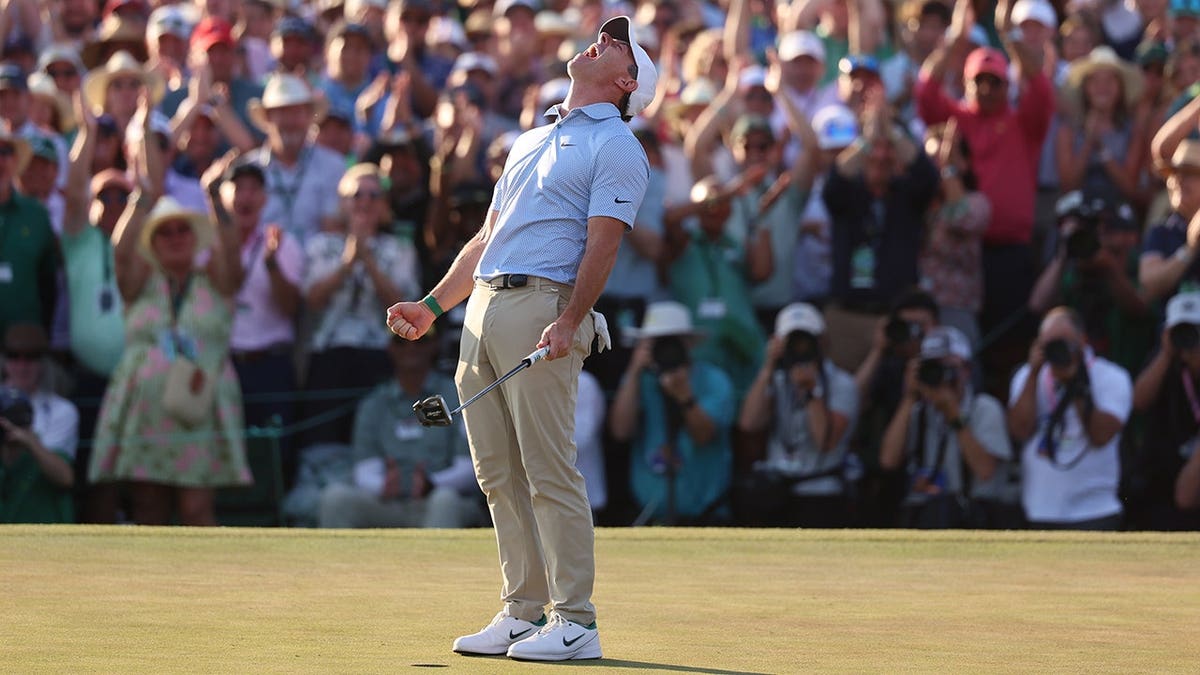
Rory McIlroy celebrates after winning the Masters Tournament at Augusta National Golf Club in Augusta, Georgia, on April 12, 2026.(Bill Streicher/Imagn Images)
“I can wear WHOOP, and I can monitor my HRV, my heart rate… just to be able to keep on top of that, it just gives me massive peace of mind,” he said.
However, Varshavski shared a different opinion ofconsumer wearables.While acknowledging their value for “a big athletic event, PGA Tour [or] professional sports,” the doctor expressed concern for the average user.
DEMENTIA RISK COULD BE TIED TO YOUR MINDSET AND OUTLOOK ON LIFE, STUDY SUGGESTS
“I would never recommend a consumer-grade device to track a truemedical condition.This is not what these devices are intended to do.”
Jones, an avid user of multiple devices, including the WHOOP, Oura Ring and Apple Watch, shared that the data helps him catch up on deficits and understand his recovery.
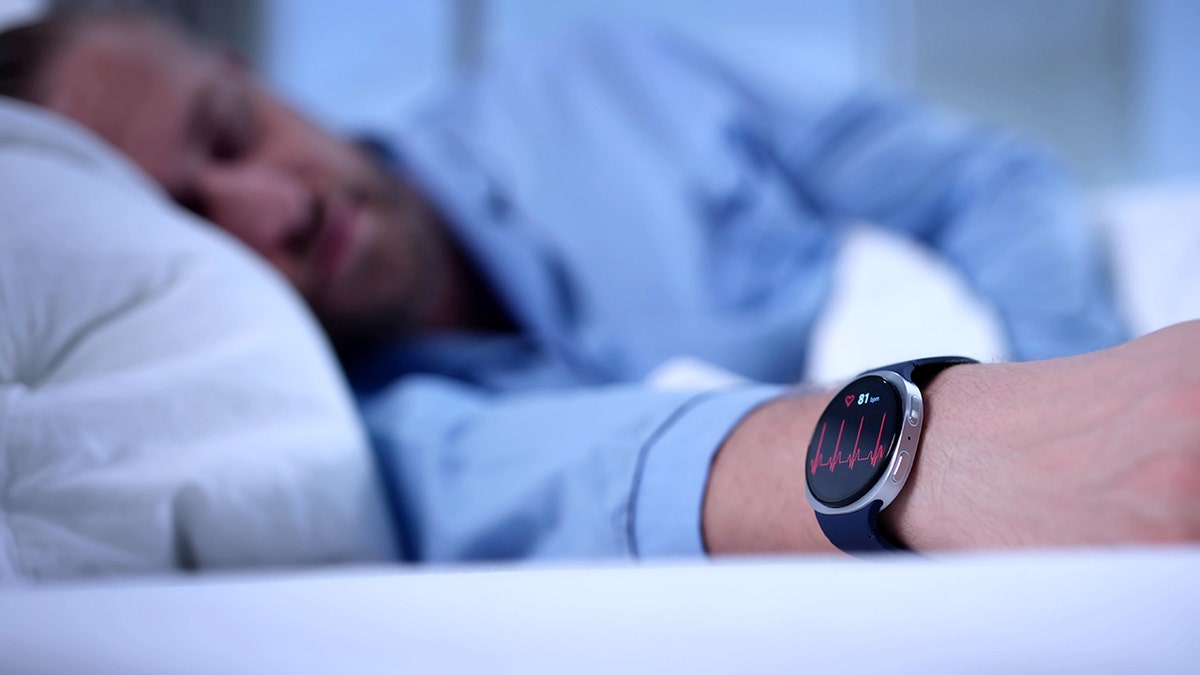
“I would never recommend a consumer-grade device to track a true medical condition.This is not what these devices are intended to do,” Dr.Mike Varshavski said.(iStock)
“Sometimes you don’t understand if you’re in a deep sleep, for example, or you may have gotten eight hours, but you weren’t really, you weretossing and turning,” Jones noted.
“We have a medical term for this called orthosomnia, where we become so obsessed with these fitness trackers and the sleep data, but it actually fuelssleep anxiety.”
Jones emphasized that for a population that has historically ignored internal health in favor of “how they look from a… superficial standpoint,” these devices provide a necessary gateway tohealth awareness.
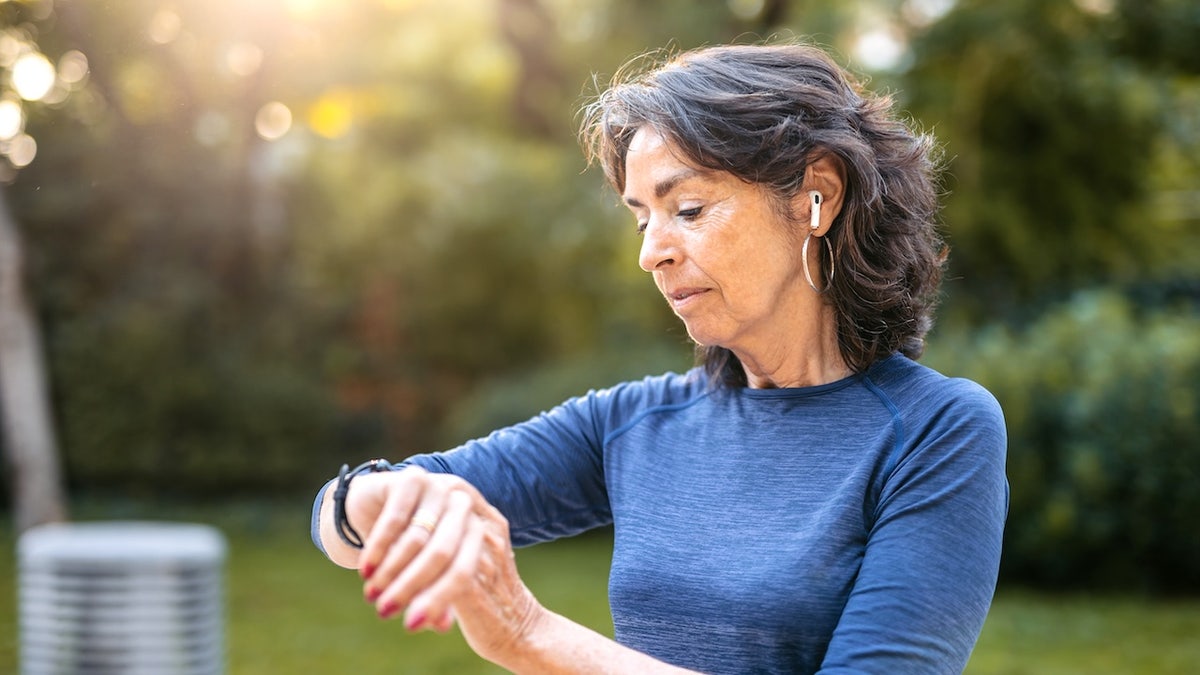
Dr.Mike Varshavski suggests treating the technology with the same perspective as any other piece of fitness gear.(iStock)
The doctor agreed that the motivational aspect is a win as long as the expectations remain realistic.He suggests treating the technology with the same perspective as any other piece offitness gear.
“We can treat these devices like we would a new pair of running shoes.You know, if that gets you excited to get an exercise program, why not?Let’s make use of it.”
TEST YOURSELF WITH OUR LATEST LIFESTYLE QUIZ
“The characterization of wearables as purely ‘consumer-grade’ fitness tools overlooks the significant advances in accuracy, validation, and real-world utility that devices like WHOOP now deliver.”
onelink.me/xLDS?pid=AppArticleLink&af_web_dp=https%3A%2F%2Fwww.
“We believe discouraging individuals from engaging with their ownhealth dataruns counter to the future of healthcare, which is increasingly continuous, personalized and focused on prevention,” the spokesperson added.
![[aggregator] downloaded image for imported item #64694](https://newsview.top/wp-content/uploads/2026/04/diet-trends-of-2025-keto-glp-1-carnivore-2-1024x576.jpg "Weight gain in certain decade of life may be more dangerous, study suggests")
![[aggregator] downloaded image for imported item #64998](https://newsview.top/wp-content/uploads/2026/04/senior-woman-vienna-street-fox-news-001-1024x576.jpeg "Where you live could shape your risk of cancer mortality, study suggests")
![[aggregator] downloaded image for imported item #65246](https://newsview.top/wp-content/uploads/2026/04/woman-sleeping-bed-fox-news-001-1024x576.jpeg "Sleeping without a pillow could have surprising health benefit, study suggests")
![[aggregator] downloaded image for imported item #65592](https://newsview.top/wp-content/uploads/2026/04/woman-standing-on-scale-1-1024x576.jpg "This could be why your weight-loss medication isn’t delivering results")