
![[aggregator] downloaded image for imported item #97642](https://newsview.top/wp-content/uploads/2026/07/woman-holding-vitamin-bottle-1024x576.jpg "Americans are giving up multivitamins for a different daily health habit, study finds")
This post was originally published on this site.
Americans are popping more supplements – and fewer multivitamins – than ever before, a new study found.
Research published in JAMA Network Open, led by researchers at Memorial Sloan Kettering Cancer Center in New York and the Harvard T.H.Chan School of Public Health in Boston, looked at 25 years of U.S.dietary supplementuse data from 1999 to 2023.
This included more than 63,000 adults over the age of 20 who reported their supplement usage.
AGING COULD SLOW DOWN WITH ONE COMMON DAILY HABIT: ‘LIVE LONGER AND BETTER’
When tracking patterns over time, the analysis revealed that overall supplement use increased from 51% of U.S.adults to 60%.The largest rise – from 62% to 78% – was identified in adults65 and older.
Supplement use was found to be more common in women, people with a higher income or education, and those with insurance.
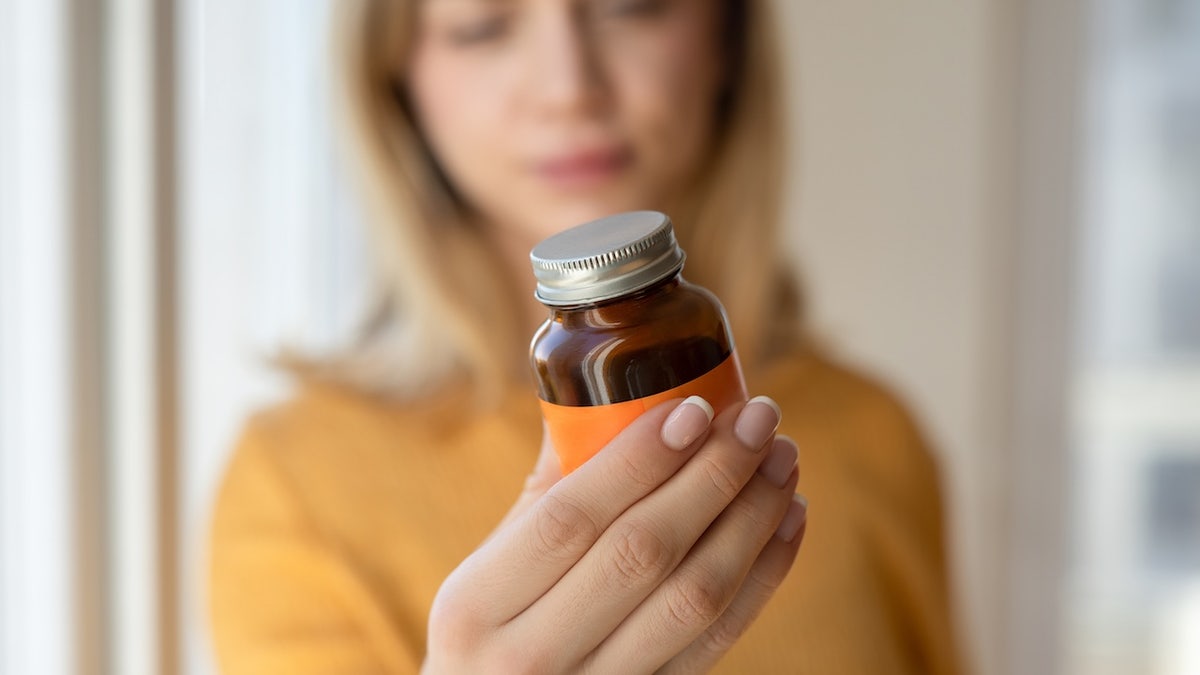
Supplement use was found to be more common in women, people with a higher income or education, and those with insurance.(iStock)
During the same period, multivitamin use decreased from 35% to 31%, while intake of vitamins and minerals outside of multivitamins increased.
Some of the largest increases in intake were seen invitamin D, zinc, magnesium, vitamin B12 and turmeric.Other emerging supplements include ashwagandha, elderberry, collagen, hyaluronic acid, probiotics and prebiotics, according to the research.
‘WILD WEST’ PEPTIDE CRAZE SURGES BEYOND GLP-1S AS FDA FACES PRESSURE TO EASE ACCESS
The later post-pandemic period saw an influx of immune support-based products, like zinc and vitamin D (outside of multivitamins).
The rise in supplement use aligns with thelongevity movement, as more people seek products tailored to specific health goals, such as immune support, inflammation, gut health, skin health and joint health.
The study only shows that people are taking more supplements, but does not prove that they’re effective for these uses, the researchers noted.

Those on a GLP-1 medication should factor in a multivitamin to counteract the risk of nutrient gaps or deficiencies, an expert recommended.(iStock)
“I love that people are getting more educated and more intentional – I just wish they were being advised by more doctors and dietitians and less by ‘wellnessinfluencers’ who are likely not doing the due diligence on the quality and efficacy of the supplements they’re promoting,” she said.
Muhlstein expressed concern that all-in-one-multivitamin use has “slipped,” despite the rise in GLP-1weight-lossmedications.
“A multivitamin is where I think people should start as the foundation to help bridge nutrient gaps, especially for people on a GLP-1 who are eating about 15% to 30% less, and therefore likely consuming 15% to 30% less vitamins and minerals,” she said.“I recommend that everyone on a GLP-1 medication [should] take a multivitamin daily.”
A daily probiotic, magnesium and vitamin D3 are also “smart for many of us,” the nutritionist added.She also recommends elderberry as an effective supplement for boosting the immune system whenfighting a cold.

A nutrition expert cautioned against taking supplements that have not gone through third-party testing for safety and quality.(iStock)
Collagenhas also been shown to benefit the skin and joints, which Muhlstein said is “worth considering as we get older.”
onelink.me/xLDS?pid=AppArticleLink&af_web_dp=https%3A%2F%2Fwww.
“My real concern is the unregulated market,” she cautioned.“I can’t tell you how many calls I’ve received over the years of people pitching me new supplements … because the margins are high and the market is huge.”
“That’s why I’m extremelypicky about what I takeand what I recommend to my family and clients.”
TEST YOURSELF WITH OUR LATEST LIFESTYLE QUIZ
Muhlstein warned against taking a supplement that hasn’t gone through third-party testing for safety and quality.
“The best ones go further and test for pesticides, arsenic and heavy metals, especially for protein powders,” she said.“If a product has many ingredients, I like to see that they do testing on each individual ingredient.”
![[aggregator] downloaded image for imported item #83025](https://newsview.top/wp-content/uploads/2026/05/two-friends-walking-having-deep-conversation-1024x576.gif "5 common walking mistakes that could hurt your progress, according to an expert")
![[aggregator] downloaded image for imported item #83018](https://newsview.top/wp-content/uploads/2026/05/upscale-expensive-water-trend-1024x576.jpg "Filtered water at specific ages could add months to your lifespan decades later, new study finds")
![[aggregator] downloaded image for imported item #83327](https://newsview.top/wp-content/uploads/2026/05/young-woman-headache-kitchen-fox-news-001-1024x576.jpeg "Experimental Alzheimer’s drug could reduce alcohol withdrawal damage, researchers say")
![[aggregator] downloaded image for imported item #83320](https://newsview.top/wp-content/uploads/2026/05/fox-news-health-dementia-study-sitting-1024x576.jpg "One type of sitting may pose greater dementia risk than another, study suggests")