
![[aggregator] downloaded image for imported item #94298](https://newsview.top/wp-content/uploads/2026/06/baguette-sandwich-bacon-egg-fox-news-001-1024x576.jpeg "8 common food preservatives linked to higher risk of high blood pressure and heart disease")
This post was originally published on this site.
Common food preservatives may contribute to higher risks ofhigh blood pressureand cardiovascular disease, according to a large French study.
Researchers analyzed data from 112,395 adults averaging 42 years of age, assessing their detailed dietary intake with an average follow-up of nearly eight years.
Among the participants, 5,544 developed hypertension during the follow-up period, and 2,450 experiencedcardiovascular diseaseevents.
‘ADDICTIVE’ ULTRA-PROCESSED FOODS LINKED TO SPIKE IN CHRONIC DISEASE, RESEARCHERS WARN
Higher consumption of total non-antioxidant preservatives was associated with a 29% greater risk of hypertension and a 16% higher risk ofcardiovascular disease.
Higher consumption of total antioxidant preservatives was linked to a 22% spike in hypertension risk.

Common food preservatives may contribute to higher risks of high blood pressure and cardiovascular disease, according to a large French study.(iStock)
Out of the 17 preservative additives consumed by at least 10% of participants, eight in particular were associated with higher rates of hypertension, including the following.
- Potassium sorbate
- Sorbic acid
- Sodium nitrite
- Potassium nitrite
- Sodium metabisulphite
- Potassium metabisulphite
- Citric acid
- Tripotassium citrate
HEART SURGEON REVEALS WHAT TO EAT (AND NOT EAT) FOR OPTIMAL CARDIAC HEALTH
Only one of the preservatives – ascorbic acid, which is the food additive form ofvitamin C– was significantly associated with higher cardiovascular disease risk.
The finding does not mean that dietary vitamin C itself causes cardiovascular disease, the researchers noted.The study examined ascorbic acid in the form used as afood additive in processed foods, not vitamin C from fruits, vegetables or supplements.

Out of the 17 preservative additives consumed by at least 10% of participants, eight in particular were associated with higher rates of hypertension.(iStock)
The findings were published in the European Heart Journal.
“This is a very important study that puts together what we already know – thatpreservatives of all kindsraise blood pressure and contribute directly to heart disease and stroke over eight years,” Dr.
The same was found for sodium nitrite in the new study, Siegel noted, with 73% of participants consuming it regularly – “mostly inprocessed foodslike hot dogs, ham, bacon and deli meats.”

“Preservatives of all kinds raise blood pressure and contribute directly to heart disease and stroke over eight years,�(iStock)
“This has been found in previous research for many years,” he added.
Siegel also discussed the 22% increased risk linked to ascorbic acid.“I am dubious about this association, as it has not generally been found before, but perhaps the risk is when it is used as a chemical preservative.”
“For all the sodium additives, this is expected, but surprising with extracts of rosemary and citric acid – the key to both of these ingredients is when they are used as preservatives (chemicals),” he added.
Potential limitations
As this was anobservational study, it could not prove that the additives caused the health conditions.
Also, the participants who volunteered for the study were generally healthier, more educated and more often female than the general French population, the researchers noted.
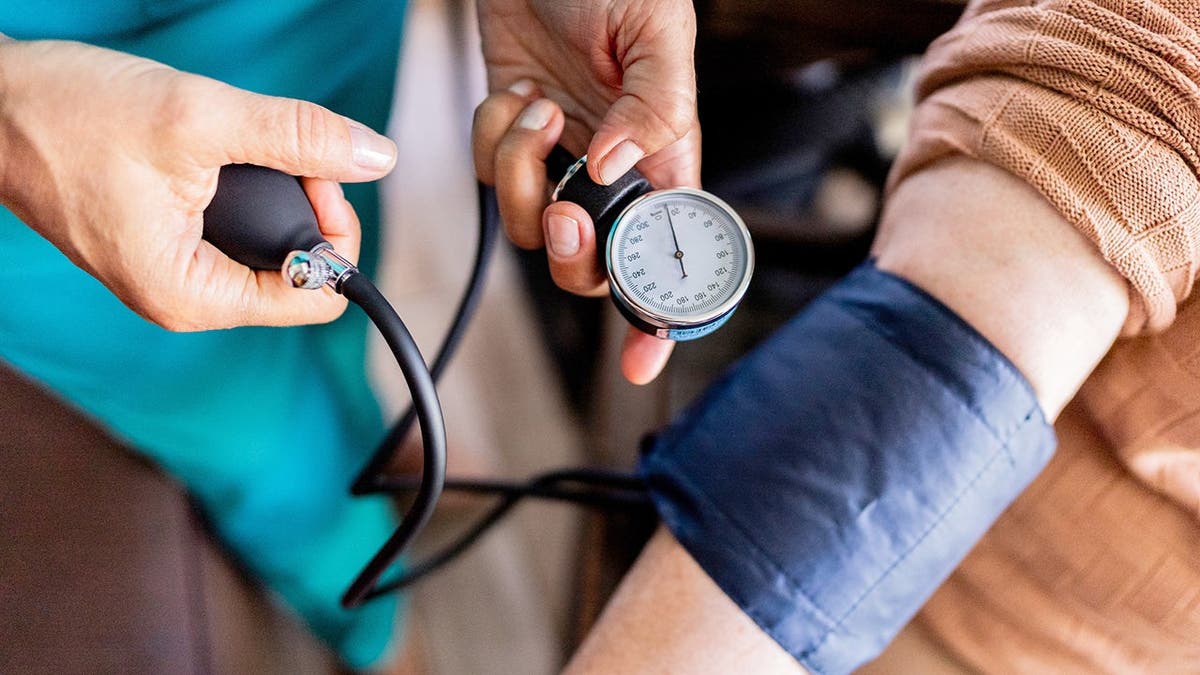
As this was an observational study, it could not prove that the additives caused the health conditions.(FG Trade / Getty Images)
There was also the chance that hypertension was underdiagnosed in some participants.
onelink.me/xLDS?pid=AppArticleLink&af_web_dp=https%3A%2F%2Fwww.
While the researchers estimated people’s dietary intake as accurately as possible, there was a chance that some consumption was inaccurately reported.
The authors emphasized that these findings need to be confirmed in further research of other populations.
TEST YOURSELF WITH OUR LATEST LIFESTYLE QUIZ
If the results are replicated in future research, some food preservatives may face additional safety reviews focused on their effects on the cardiovascular system, the researchers suggested.
“The take-home is touse natural ingredientsas much as possible, and especially beware of sodium chemical preservatives when it comes to risk of heart disease and stroke from associated hypertension,” Siegel concluded.
![[aggregator] downloaded image for imported item #71457](https://newsview.top/wp-content/uploads/2026/04/heat-stroke-1-1024x576.jpg "Heart attacks and strokes rising with extreme weather events, research suggests")
![[aggregator] downloaded image for imported item #71766](https://newsview.top/wp-content/uploads/2026/04/young-man-watching-tv-nachos-fox-news-001-1024x576.jpeg "Dementia risk rises with common food type millions eat every day, study suggests")
![[aggregator] downloaded image for imported item #72089](https://newsview.top/wp-content/uploads/2026/04/damon-wayans-major-payne-fox-news-001-1024x576.jpeg "Damon Wayans reveals the scary symptom that led to his type 2 diabetes diagnosis")
![[aggregator] downloaded image for imported item #72082](https://newsview.top/wp-content/uploads/2026/04/doctor-patient-brain-scan-1024x576.jpg "Fish oil supplements linked to slower brain repair in some patients, study finds")