
![[aggregator] downloaded image for imported item #91913](https://newsview.top/wp-content/uploads/2026/06/orange-juice-pouring-fox-news-001-1024x576.jpeg "Common vitamin may influence brain aging in ways scientists didn't expect")
This post was originally published on this site.
Higher levels of vitamin C were linked to healthier brain structure in older adults, suggesting a potential role for nutrition inbrain aging.
That’s according to new research from Japan, published in the journal PLOS ONE.
The observational study included 2,044 participants living in Hirosaki City, Japan, who were originally included in a study exploringdementia and heart disease risk.The average age was 69, and 61% of them were female.
SKIP THE MULTIVITAMIN: 5 NUTRIENT-RICH FOODS RECOMMENDED BY DOCTORS INSTEAD
The researchers measured the participants’ vitamin C levels using blood samples and performed MRI scans to calculate the volume of gray matter and white matter in their brains.
Even after accounting for external factors like age, smoking habits,diabetesand other lifestyle behaviors, they found that those with lower vitamin C levels appeared to have lower brain tissue volumes and weaker structural network patterns.

Higher levels of vitamin C levels were linked to healthier brain structure in older adults, suggesting a potential role for nutrition in brain aging.(iStock)
“Our study demonstrates that older adults with higher blood levels of vitamin C tend to have better-preserved brain structure (gray matter) and stronger connections within the default mode network (DMN), a crucial brain network involved in memory and cognitive function,�
BRAIN AGING MAY SLOW WITH GREEN TEA, WALNUTS AND TINY SWAMP PLANT, STUDY FINDS
“While diets rich in vitamin C are known to lower therisk of cognitive decline, our study is the very first to demonstrate a direct association between actual blood plasma vitamin C levels and the structural connectivity of the DMN,” he added.
This network is often affected by conditions such asAlzheimer’s diseaseand depression, according to the researchers.

The researchers measured the participants’ vitamin C levels using blood samples and performed MRI scans to calculate the volume of gray matter and white matter in their brains.(iStock)
The vitamin C measurement was more accurate than studies that relied on dietary estimates, the researchers noted.
“What I found most fascinating is that we could detect such clear associations between a single nutritional factor (vitamin C) and large-scale brain networks in a robust cohort of over 2,000 older adults,” Shintaku said.“It highlights how significantly oureveryday dietary habitsmight impact brain structure.”
BRAIN HEALTH WARNING SIGN COULD BE HIDING IN PLAIN SIGHT, SAY RESEARCHERS
The study underscores the importance of obtaining vitamin C from the daily diet, as humans cannot synthesize it on their own, the researchers noted.
“Our findings suggest that maintaining optimal vitamin C levels through a healthy diet — rich in citrus fruits, berries, tomatoes and green leafy vegetables — could be a simple yet powerful way to supportbrain health as we age,” Shintaku said.
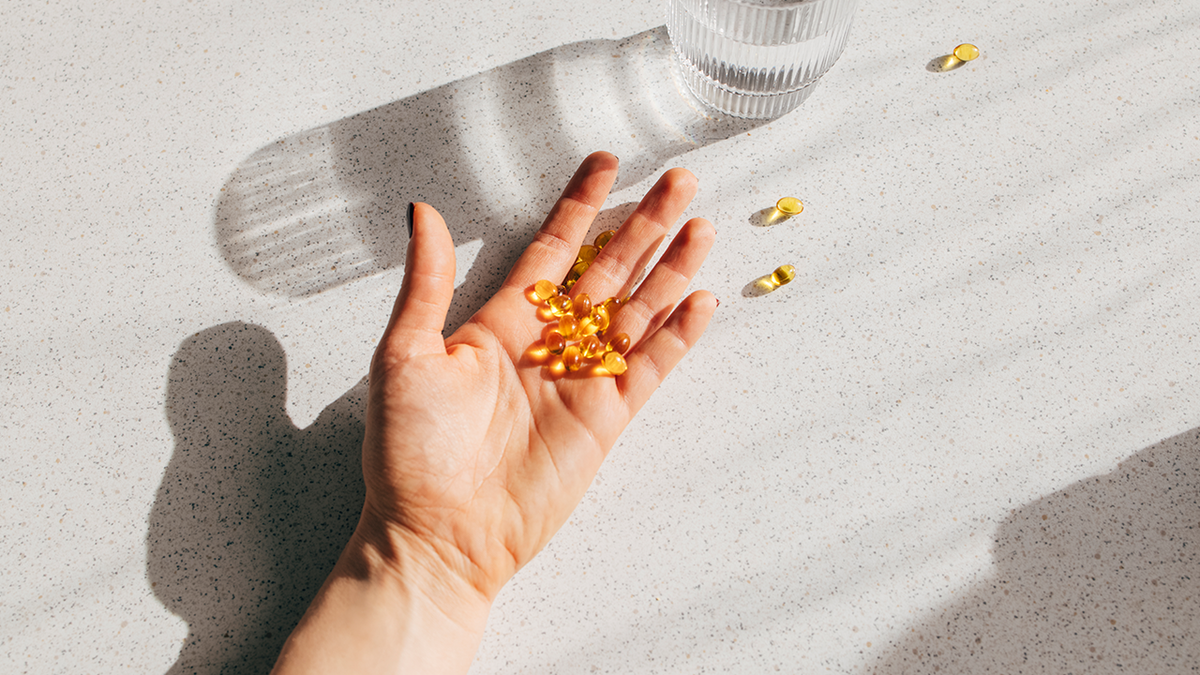
Those with lower vitamin C levels appeared to have lower brain tissue volumes and weaker structural network patterns.(iStock)
The study did have some limitations, the researchers noted.
“Because our study is observational and cross-sectional, we can only show an association, not a cause-and-effect relationship,�“Other limitations include relying on a single blood measurement per participant.”
Other external factors, such as dietary intake,body mass indexand socioeconomic variables, could have played a role in the outcomes.
Also, the link was relatively modest compared to established risk factors likehigh blood pressureand blood sugar, the researchers noted.
onelink.me/xLDS?pid=AppArticleLink&af_web_dp=https%3A%2F%2Fwww.
Findings from other, larger studies, including UK Biobank research with more than 9,000 people, suggest that vitamin C is just one of several factors that may influence brain health.
Because the participants were almost all older Japanese adults, the findings may not be generalized to other populations.
“It is best viewed as a signal that vitamin C status may be one piece of a much larger brain-health picture.”
“This study found an association between higher plasma vitamin C levels and MRI markers of brain health, including gray matter volume and connectivity in the default mode network, which is involved in several cognitive functions,” Dung Trinh, MD, an internal medicine physician and founder of the Healthy Brain Clinic, commented to Medical News Today.
TEST YOURSELF WITH OUR LATEST LIFESTYLE QUIZ
“That said, the study does not prove that vitamin C prevents cognitive decline or that taking supplements will improve brain health.It is best viewed as a signal that vitamin C status may be one piece of a much largerbrain-health picture.”
![[aggregator] downloaded image for imported item #71457](https://newsview.top/wp-content/uploads/2026/04/heat-stroke-1-1024x576.jpg "Heart attacks and strokes rising with extreme weather events, research suggests")
![[aggregator] downloaded image for imported item #71766](https://newsview.top/wp-content/uploads/2026/04/young-man-watching-tv-nachos-fox-news-001-1024x576.jpeg "Dementia risk rises with common food type millions eat every day, study suggests")
![[aggregator] downloaded image for imported item #72089](https://newsview.top/wp-content/uploads/2026/04/damon-wayans-major-payne-fox-news-001-1024x576.jpeg "Damon Wayans reveals the scary symptom that led to his type 2 diabetes diagnosis")
![[aggregator] downloaded image for imported item #72082](https://newsview.top/wp-content/uploads/2026/04/doctor-patient-brain-scan-1024x576.jpg "Fish oil supplements linked to slower brain repair in some patients, study finds")