
![[aggregator] downloaded image for imported item #66322](https://newsview.top/wp-content/uploads/2026/04/man-prepping-cosmetic-surgery-1024x576.jpg "'Looksmaxxing' trend has young men taking hammers to their faces in pursuit of sharper features")
This post was originally published on this site.
Brian Kilmeade sat down with experts to dissect a growing online phenomenon that has captured the attention ofyoung menacross the country.
Known as “looksmaxxing,” this trend involves a quest for sharper physical features and increased confidence, often categorized into two distinct paths: “softmaxxing” and “hardmaxxing.”
While the movement promises self-improvement, the segment revealed deeper concerns regarding safety and thepsychological motivationsdriving these young “looksmaxxers.”
DOCTORS WARN OF ‘LOOKSMAXXING’ DANGERS AFTER INFLUENCER’S LIVESTREAM EMERGENCY
Kilmeade opened the discussion by describing the trend as a quest for young men to “surpass genetic potential.” He noted that the methods vary wildly, ranging from “elaborateskin careroutines” to extreme physical interventions.
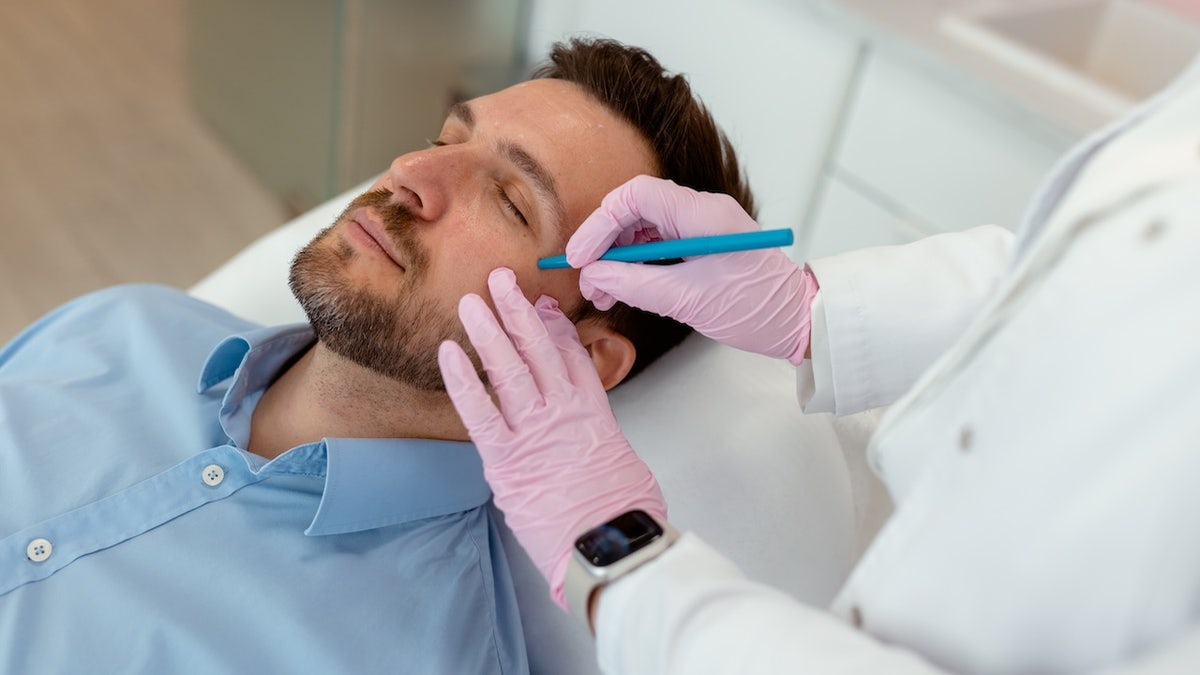
While the movement promises self-improvement, experts are raising concerns regarding the safety and psychological motivations behind looksmaxxing.(iStock)
Board-certified dermatologist Dr.Claire Wolinsky said the trend has been gaining momentum for at least a year, highlighting popular techniques like “mewing,” where young men attempt to reshape their jawlines through specific tongue positioning.
The New York-based expert was quick to debunk the effectiveness of such methods, stating that they are “clearly notscience-basedat all.”
WHAT IS BUTT MICRONEEDLING?BEHIND THE ‘DESPERATE’ PROCEDURE KELLY RIPA TRIED
The shift toward male-centric beauty standards appears to be heavily influenced by the digital landscape, according to Wolinsky, who observed that “social media is pushing this way.” Many young people have become suspicious of traditionalmedical advice, she added.
Instead, she said, they “look online for their information, and they look at attractive peers to see what they’re doing, and they want to look like them.”
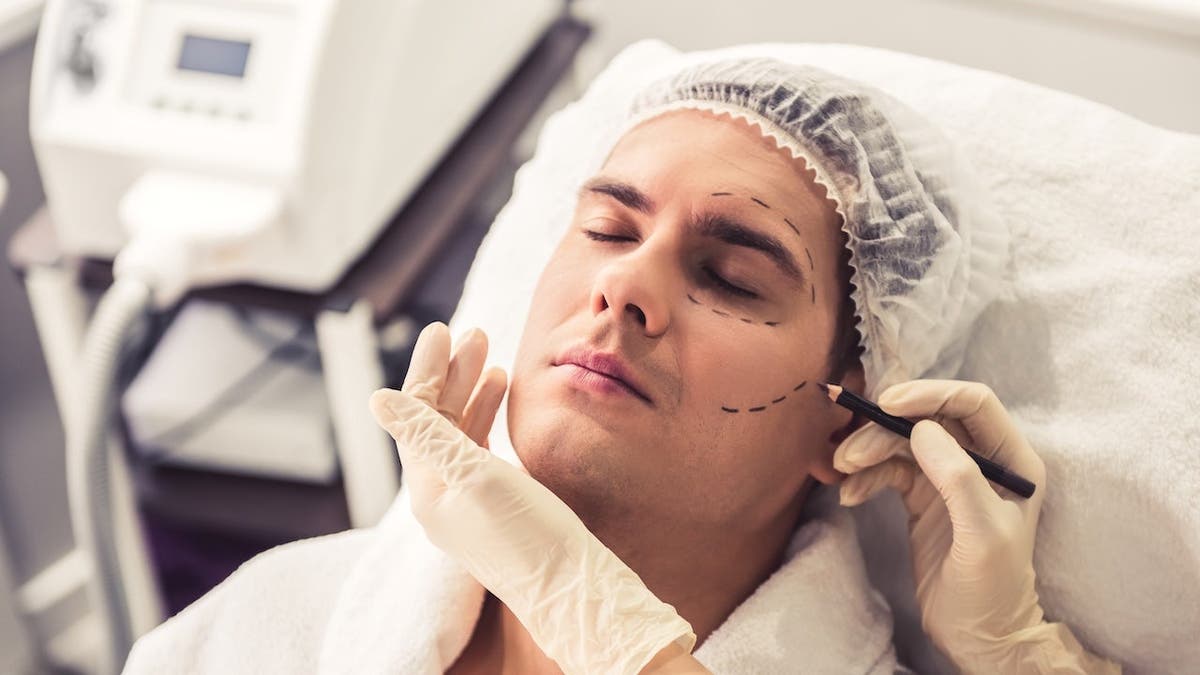
A family therapist raised critical questions about the underlying mental health of those participating in the movement.(iStock)
This digital influence has created a vacuum whereinfluencersdictate health and grooming standards for a generation of men instead of physicians, Wolinsky noted.
Family therapist Tom Kersting shared concerns about the underlyingmental healthof those participating in the movement.
The New Jersey-based expert questioned whether these young men are acting out of “narcissistic behavior” or if they are in “search of some form of external gratification from strangers online.”
IV THERAPY AND SUPPLEMENTS UNDER SCRUTINY AS EXPERTS WARN OF POTENTIAL SIDE EFFECTS
Kersting emphasized that true self-worth cannot be measured by digital metrics, adding that “self-esteem is how I feel about myself.It has nothing to do with how many likes, followers or thumbs-up that I get from the outside world.”
self-care and self-harmis becoming increasingly blurred.
Wolinsky pointed out that taking care of your skin or sleeping well can be beneficial.
taking steroids and supplementsor seeking plastic surgery at a young age.These practices, she noted, “concern me as a mom and also as a physician.”
The conversation shifted to “bone smashing,” a practice where individuals purportedly use physical objects to alter their facial structure.
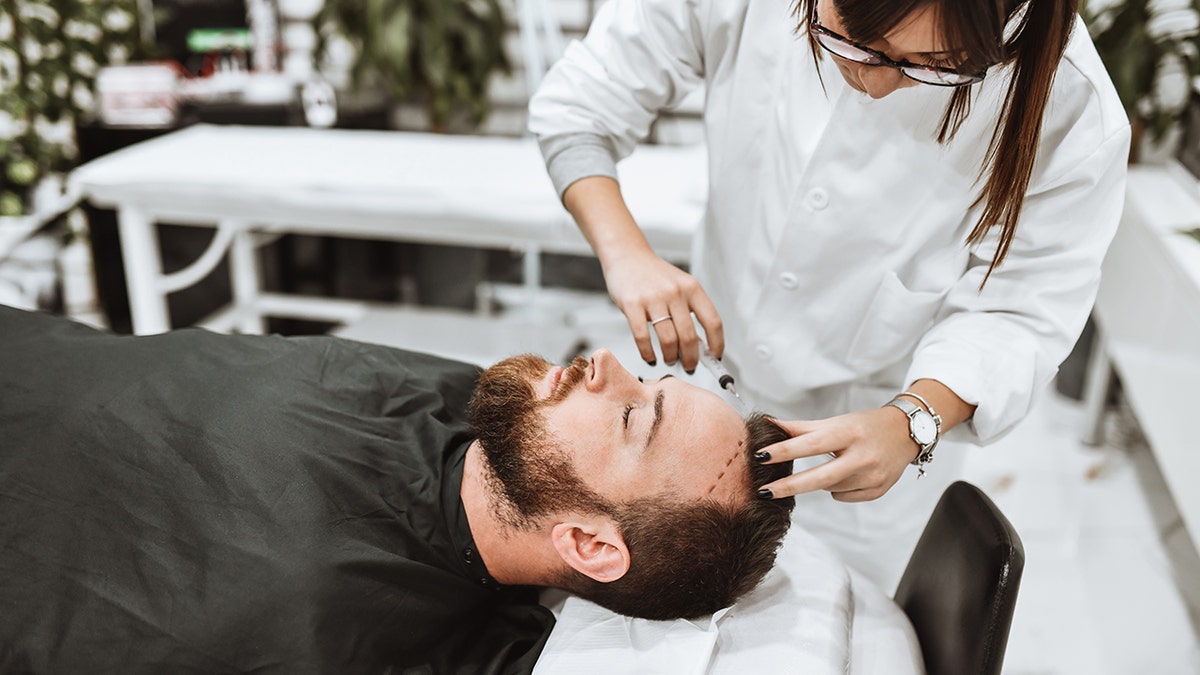
“Hardmaxxing” behaviors include taking steroids and supplements or seeking plastic surgery at a young age.(iStock)
Wolinsky clarified the danger of such actions, explaining that “they’re apparently taking hammers or physical objects and hurting themselves.”
“There’s no way that by destroying a bone, it gets thicker or better, or your jawline’s going to look improved,” she said.
TEST YOURSELF WITH OUR LATEST LIFESTYLE QUIZ
Kersting suggested that therise of looksmaxxingmay be a symptom of a broader societal crisis facing young males who feel “pushed aside and forgotten about.”
onelink.me/xLDS?pid=AppArticleLink&af_web_dp=https%3A%2F%2Fwww.
As young men struggle to find their identity, he said, they may turn to the internet for guidance.
“The people that are influencing them… these social media influencers… don’t really have anything very influential to offer.”
![[aggregator] downloaded image for imported item #61781](https://newsview.top/wp-content/uploads/2026/04/prisoner-holding-piece-of-paper-1024x576.jpg "Drug-soaked paper is killing inmates amid reports of prison smuggling trends")
![[aggregator] downloaded image for imported item #62068](https://newsview.top/wp-content/uploads/2026/04/woman-spray-cleaning-counter-1024x576.jpg "Antibacterial products may contribute to dangerous superbug crisis, study suggests")
![[aggregator] downloaded image for imported item #62349](https://newsview.top/wp-content/uploads/2026/04/man-eating-vegetables-fruits-salt-1024x576.jpeg "Simple dinner table habit linked to poor diet and higher health risks in adults over 60")
![[aggregator] downloaded image for imported item #62341](https://newsview.top/wp-content/uploads/2026/04/crohns-disease-1024x576.jpg "Deadly bacterial disease could be stopped with common pantry staple, study suggests")