
![[aggregator] downloaded image for imported item #71457](https://newsview.top/wp-content/uploads/2026/04/heat-stroke-1-1024x576.jpg "Heart attacks and strokes rising with extreme weather events, research suggests")
This post was originally published on this site.
Extreme weather is fueling a rise inheart attacks and strokes, with heat waves and cold snaps contributing to the rise, according to new research reported by SWNS.
The findings, presented last week at the European Association of Preventive Cardiology (EAPC) congress, analyzed data from more than 8 million residents of Eastern Poland between 2011 and 2020.
During that decade, researchers recorded over 573,000 major cardiovascular andcerebrovascular events(MACCE).
BACTERIA IN YOUR MOUTH MAY TRAVEL TO THE GUT AND TRIGGER STOMACH CANCER, RESEARCH FINDS
“Climate changeis driving extreme weather events, yet temperate climates remain understudied,” professor Lukasz Kuzma, of the Medical University of Bialystok, told SWNS.“Poland is now seeing unprecedented heat waves alongside existing cold waves.”
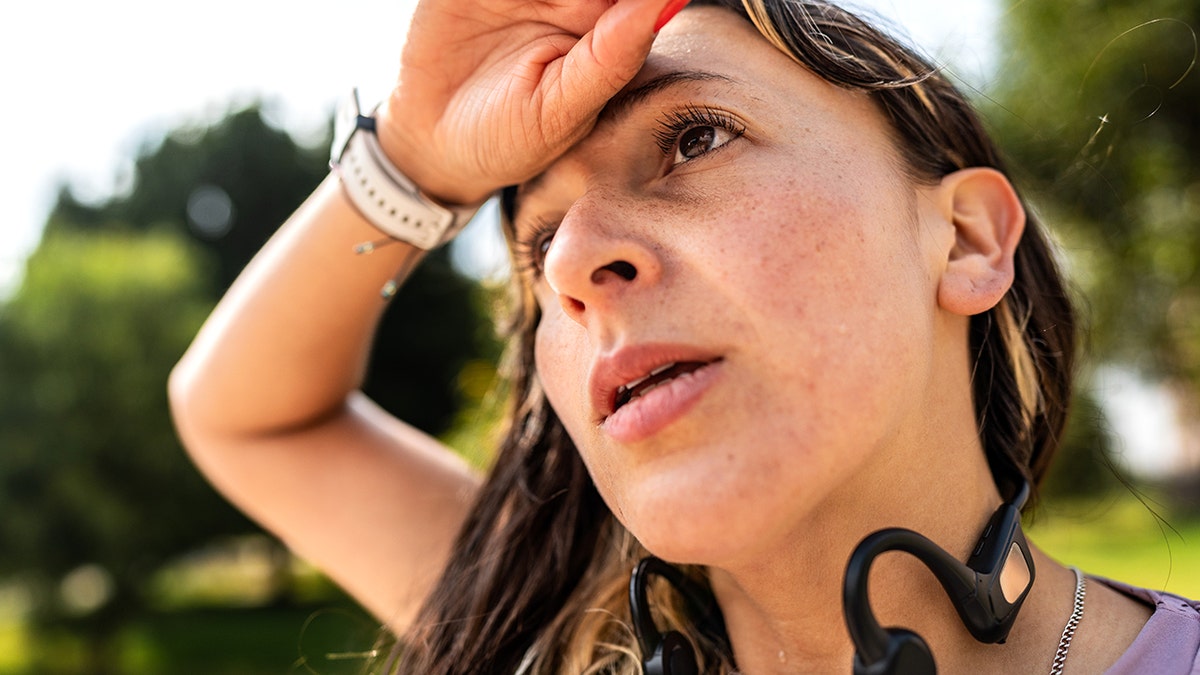
Extreme weather is fueling a rise in heart attacks and strokes, with heat waves and cold snaps contributing to the rise, according to new research reported by SWNS.(iStock)
The study found that while both types oftemperature extremesare dangerous, they attack the body in different ways.
In heat waves, the impact is immediate.On the day of the weather occurrence, major cardiovascular events spiked by 7.5%, while cardiovascular deaths jumped by 9.5%, according to the report.
AGING MAY SPEED UP IN AREAS WITH EXTREME HEAT, RESEARCH SUGGESTS
The impact of a cold wave is delayed but sustained.The risk of major events rose between 4% and 5.9% in the days following exposure.
Air pollutionintensified the risks of extreme temperatures, the data showed.Approximately 13% of all cardiovascular deaths were attributed to pollution, representing more than 71,000 years of life lost over the 10-year period.

In heat waves, the impact is immediate, while the effects of a cold wave are delayed but sustained.(iStock)
“Our results highlight that the problems of climate change now extend to Northern Europe and demonstrate the considerable combined hazards of temperature extremes and air pollution on increasing cardiovascular events,” Kuzma said.
older than 65.
cardiovascular risk factor, it is still underappreciated,” said Dr.Anna Kurasz of the Medical University of Bialystok, per SWNS.

Contrary to traditional medical assumptions, the study found that monthly increases in pollution exposure were particularly dangerous for demographics often considered lower risk.(iStock)
“These results challenge the traditional risk factor paradigm about which groups of individuals are most susceptible.”
onelink.me/xLDS?pid=AppArticleLink&af_web_dp=https%3A%2F%2Fwww.
Looking ahead, Kuzma plans to investigate the impact of light andnoise pollution, with the goal of modernizing how doctors predict patient risk.
TEST YOURSELF WITH OUR LATEST LIFESTYLE QUIZ
“We also aim to develop a method to incorporate environmental factors into a cardiovascular risk prediction algorithm to enable more effective targeting of preventive efforts,” he added.
![[aggregator] downloaded image for imported item #48969](https://newsview.top/wp-content/uploads/2026/03/hands-holding-valerian-flower-1024x576.jpg "Ancient herb known as ‘nature’s Valium’ touted for improving sleep and anxiety")
![[aggregator] downloaded image for imported item #49396](https://newsview.top/wp-content/uploads/2026/03/firefighter-puts-out-fire-1024x576.jpg "Firefighter shares longevity tips, as first responders face 10-year shorter lifespan")
![[aggregator] downloaded image for imported item #49388](https://newsview.top/wp-content/uploads/2026/03/liver-disease-1024x576.jpg "Cannabis compounds could reverse disease affecting one-third of adults")