
![[aggregator] downloaded image for imported item #50944](https://newsview.top/wp-content/uploads/2026/03/woman-shopping-for-vitamins-1024x576.jpg "Aging could slow down with one common daily habit: 'Live longer and better'")
This post was originally published on this site.
Aging can’t be stopped, but a daily pill could slow it down, according to new research led by Mass General Brigham in Boston.
Among people who took amultivitamin every dayfor two years, biological aging slowed down by about four months, found the study, which was published in Nature Medicine.
Biological aging refers to the pace of aging on a cellular level, which is often different from chronological age.
BRAIN TRAINING SESSIONS FOUND TO REDUCE DEMENTIA RISK IN DECADES-LONG STUDY
The findings came from a large randomized clinical trial of nearly 1,000healthy older adultsaveraging 70 years of age.The participants were divided into four groups — one took a daily multivitamin-multimineral supplement along with a cocoa extract, one took a daily cocoa extract and placebo, one took a placebo and multivitamin, and one took just a placebo, according to the study press release.

Among people who took a multivitamin every day for two years, biological aging slowed down by about four months.(iStock)
The researchers analyzed blood samples taken from the participants at three points during the study, looking at five biomarkers known as “epigenetic clocks” that measure age-relatedchanges to DNA.
“Aging at the cellular level can be marked by DNA methylation, where in some cells it decreases and in some it increases,” Dr.“This is also described as epigenetic changes – or DNA expression.”
MISSING SLEEP MAY TAKE A HIDDEN TOLL ON YOUR BRAIN AND LONGEVITY, RESEARCH REVEALS
Those who took multivitamins showed a biological aging slowdown across all biomarkers, including the two that arelinked to longevity.
The biggest benefit was seen in those who already had a biological age that was older than their chronological age, the researchers found.
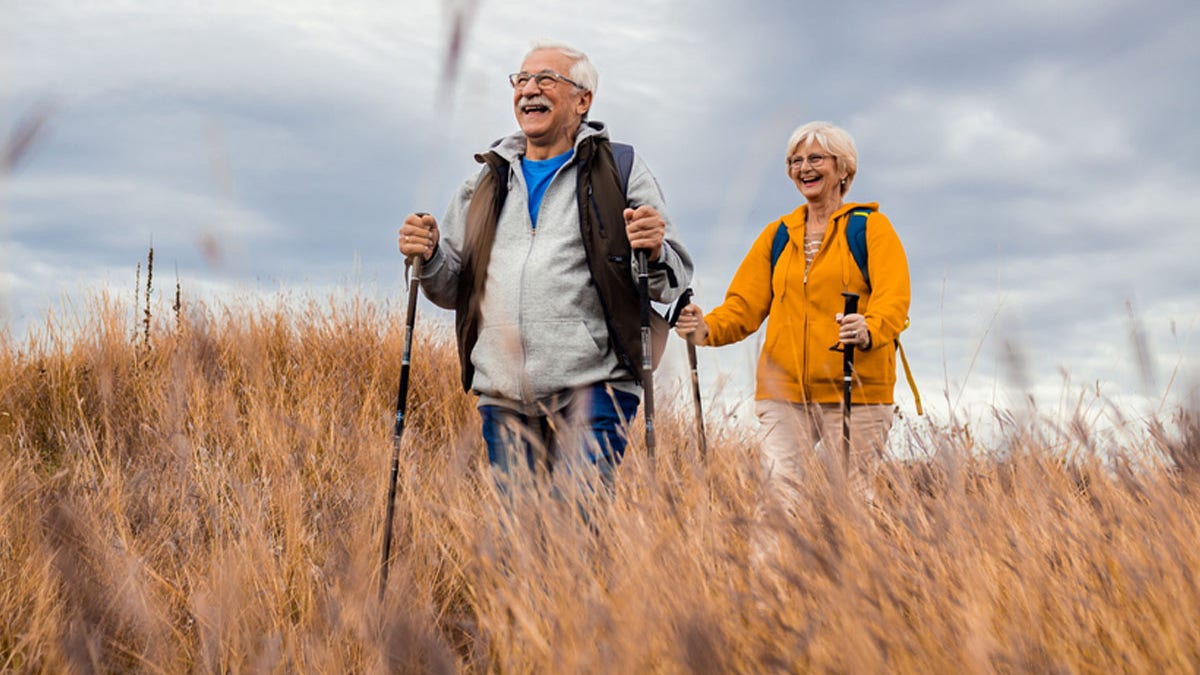
Those who took multivitamins showed a biological aging slowdown across all biomarkers, including the two that are linked to longevity.(iStock)
“There is a lot of interest today in identifying ways to not just live longer, but to live better,” said senior author Howard Sesso, associate director of the Division of Preventive Medicine in the Mass General Brigham Department of Medicine, in the press release.
“It was exciting to see the benefits of a multivitamin linked with markers of biological aging.This study opens the door to learning more about accessible, safe interventions that contribute tohealthier, higher-quality aging.”
“There is a lot of interest today in identifying ways to not just live longer, but to live better.”
“There are so many possibilities, from biotin to calcium to zinc to vitamin B, C or D … to niacin and to metals like magnesium and copper,�“I am personally a believer in riboflavin, thiamine and vitamin D, but further research is needed to parse this out and determine a cause-effect relationship.”
There were some limitations of the research, including that the aging effects were small, and it’s not yet known how they might affect actualmedical outcomes.
older agesand those of European ancestry, which could mean it wouldn’t be generalized to larger groups.
The research also did not explore the relationship between epigenetic clock changes and actual health outcomes, such as lower disease risk or greater lifespan.
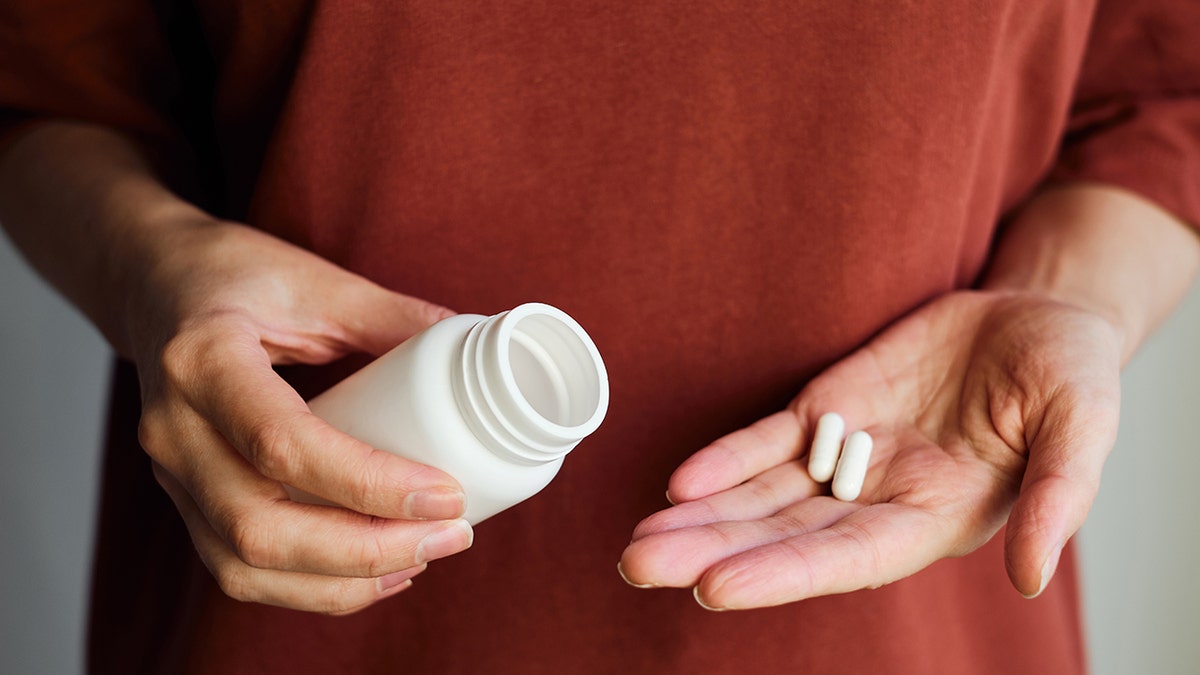
Additional studies will also look at other potential benefits of daily multivitamins, such as cognitive function and reduced cancer risk.(iStock)
The researchers are now planningfollow-up researchto explore whether the slowdown of biological aging continued after the trial, as well as the impact these improvements may have on clinical outcomes.
Additional studies will also look at other potential benefits of daily multivitamins, such as cognitive function andreduced cancer risk.
onelink.me/xLDS?pid=AppArticleLink&af_web_dp=https%3A%2F%2Fwww.
“A lot of people take a multivitamin without necessarily knowing any benefits from taking it, so the more we can learn about its potential health benefits, the better,” said Sesso.“We are fortunate and excited to build upon a rich resource of biomarker data to test how two interventions may improve biological aging and reduce age-related clinical outcomes.”
TEST YOURSELF WITH OUR LATEST LIFESTYLE QUIZ
The study was funded by the National Institutes of Health.
![[aggregator] downloaded image for imported item #48969](https://newsview.top/wp-content/uploads/2026/03/hands-holding-valerian-flower-1024x576.jpg "Ancient herb known as ‘nature’s Valium’ touted for improving sleep and anxiety")
![[aggregator] downloaded image for imported item #49396](https://newsview.top/wp-content/uploads/2026/03/firefighter-puts-out-fire-1024x576.jpg "Firefighter shares longevity tips, as first responders face 10-year shorter lifespan")
![[aggregator] downloaded image for imported item #49388](https://newsview.top/wp-content/uploads/2026/03/liver-disease-1024x576.jpg "Cannabis compounds could reverse disease affecting one-third of adults")