
![[aggregator] downloaded image for imported item #48969](https://newsview.top/wp-content/uploads/2026/03/hands-holding-valerian-flower-1024x576.jpg "Ancient herb known as ‘nature’s Valium’ touted for improving sleep and anxiety")
This post was originally published on this site.
Valerian, an herbal supplement long used for sleep and relaxation, has been referred to as “nature’s Valium” — but experts are divided on whether it truly compares to the prescription sedative.
The herb, which is sold as a dietary supplement in the U.S., is a common ingredient in products marketed as “mild sedatives” and sleep aids, according to the National Institutes of Health.
Valium, the brand name for diazepam, is used to treat anxiety, seizures and muscle spasms by calming thenervous system, Cleveland Clinic notes.
Valerian supplements are derived from the roots of Valeriana officinalis, a flowering plant native to Europe and Asia that has also naturalized in northeastern America, according to the American Botanical Council (ABC).
The plant has a “long history of medicinal use,” per the ABC, with the primary goal of reducing anxiety and stress as well as improvingsleep quality.It has historically also been used for migraines, fatigue and stomach cramps.

Valerian has historically been used for migraines, fatigue and stomach cramps.(iStock)
Dried valerian roots can be prepared as teas or tinctures, while other plant materials and extracts have been distributed as capsules or tablets, per the NIH.
The agency noted, however, that there is a “relatively small amount of research” investigating the herb’s impact on various conditions.
POPULAR SLEEP POSITIONS COULD BE DAMAGING YOUR NERVES, ACCORDING TO EXPERTS
However, Stefan Gafner, Ph.D., chief science officer of the American Botanical Council in Texas, confirmed that some clinical trials have explored valerian root’s effects.
A 2020 medical review published in the Journal of Evidence-Based Integrative Medicine found that both powdered root and root extracts show a “clear�
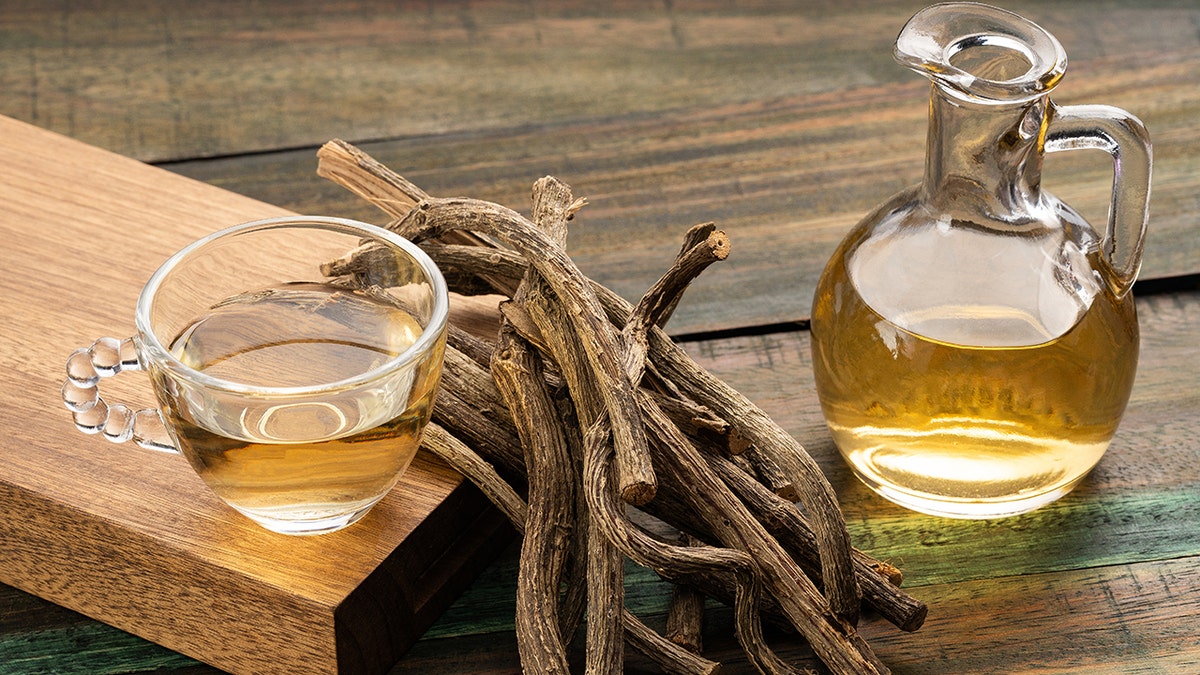
Valerian root and other parts of the plant can be prepared as teas, extracts, capsules and tablets.(iStock)
The researchers concluded that valerian could be a “safe and effective herbto promote sleep and prevent associated disorders.”

Some valerian users have reported improved sleep and reduced anxiety, according to recent research.(iStock)
Unlike valerian, diazepam carries a risk of dependence and is generally prescribed short-term, the expert said, and the spectrum of potential adverse effects is “very different.”
MISSING SLEEP MAY TAKE A HIDDEN TOLL ON YOUR BRAIN AND LONGEVITY, RESEARCH REVEALS
Gafner said he “absolutely” recommends the use of valerian root to relieveanxiety and stressand to improve sleep.
“I have used it myself and I believe it’s an ingredient with well-documented benefits, especially for people with problems falling asleep,” he said.“It is well-tolerated and very safe… although some sources caution [against] driving a car or using heavy machinery when using valerian.”
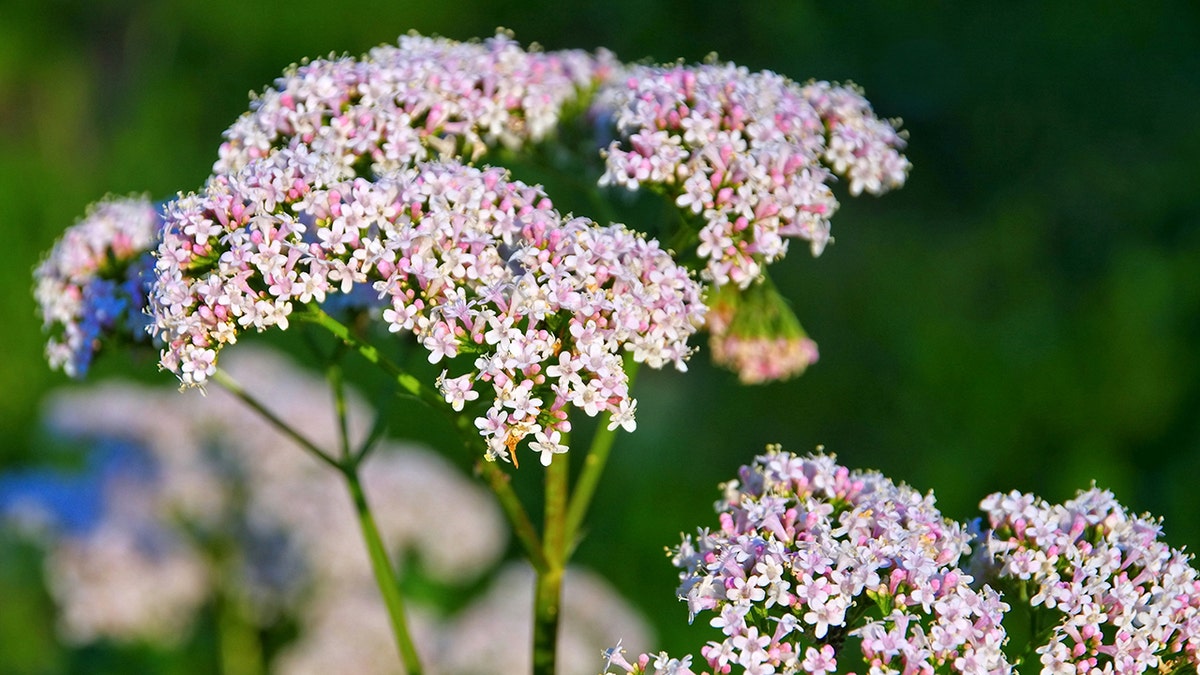
Valeriana officinalis, a herbal plant used as a mild sedative, in bloom.(iStock)
Dr.Joseph Mercola, a board-certified family medicine osteopathic physician and author of the new book “Weight Loss Cure,” said valerian’s comparisons to Valium may “exaggerate what the science actually shows.”
onelink.me/xLDS?pid=AppArticleLink&af_web_dp=https%3A%2F%2Fwww.
“Valerian root contains compounds that appear to enhance calmingbrain chemicals, particularly the neurotransmitter GABA, which helps quiet nerve activity and supports relaxation,�
“Some studies do report modest improvements in sleep quality or shorter time to fall asleep, while others find no meaningful difference compared with placebo.”
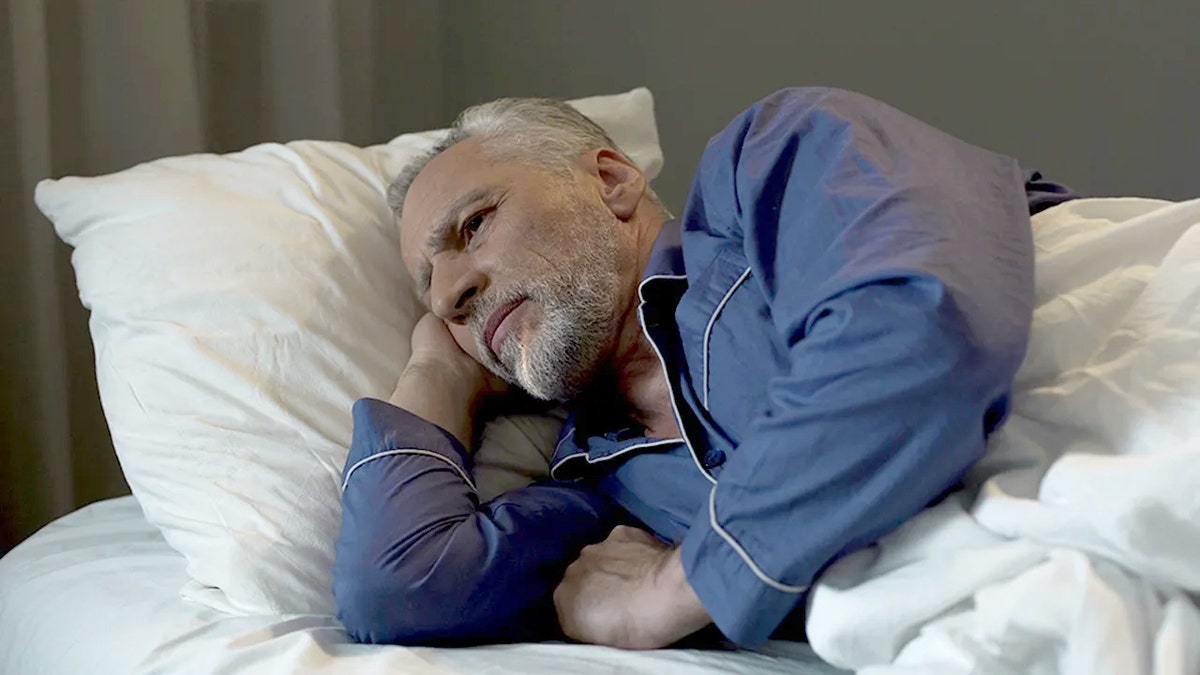
Valerian supplementation may not be right for everyone seeking better sleep, one doctor said.(iStock)
Side effects may include headaches, dizziness, digestive upset or next-day grogginess, Mercola noted, adding that he would not recommend it as a primary strategy for anxiety, stress or sleep.
“Because long-term safety studies remain limited, and supplement quality varies widely, you should approach valerian with caution rather than view it as a universal sleep solution,” he advised.
“You should approach valerian with caution rather than view it as a universal sleep solution.”
“I encourage people to focus first on strategies that correct the underlying drivers ofpoor sleep,” Mercola advised.“When you fix those foundations, you often find that you no longer need an herbal sedative at all.”

“I encourage people to focus first on strategies that correct the underlying drivers of poor sleep,” one doctor advised.(iStock)
“Bright sunlight during the day helps regulate your circadian rhythm and signals your brain to produce melatonin later at night,” he said.“At the same time, complete darkness [at night] supports the hormonal signals that allow deep, restorative sleep.”
Certain nutrientscan also promote relaxation and sleep quality, including magnesium, which helps to regulate the nervous system, according to the doctor.
TEST YOURSELF WITH OUR LATEST LIFESTYLE QUIZ
“When you combinesunlight exposure, magnesium, GABA and glycine, you support the biological systems that control sleep instead of relying on a sedating herb with mixed evidence,” the doctor concluded.
Related Article
![[aggregator] downloaded image for imported item #49396](https://newsview.top/wp-content/uploads/2026/03/firefighter-puts-out-fire-1024x576.jpg "Firefighter shares longevity tips, as first responders face 10-year shorter lifespan")
![[aggregator] downloaded image for imported item #49388](https://newsview.top/wp-content/uploads/2026/03/liver-disease-1024x576.jpg "Cannabis compounds could reverse disease affecting one-third of adults")
![[aggregator] downloaded image for imported item #49721](https://newsview.top/wp-content/uploads/2026/03/woman-squatting-holding-weights-outside-1024x576.jpg "Key fitness measure is strong predictor of longevity after certain age, study finds")