
![[aggregator] downloaded image for imported item #17418](https://newsview.top/wp-content/uploads/2025/12/italy-rome-colosseum-new-artifacts-museum-display-archaeology-ancient-history-1-1024x576.jpg "World's top tourist city turns ancient ruins into part of the daily subway commute")
This post was originally published on this site.
One of the world’s mostpopular tourist destinationsis now offering visitors — and commuters — a new way to experience its ancient history.
Rome opened two new subway stations, including one located directly under the Colosseum, earlier in December.
What makes the stations unique is thatancient artifacts— all uncovered during construction of the stops — are displayed throughout the stations.
The two stations, Colosseo-Fori Imperiali and Porta Metronia, feature a variety of historic objects.
ANCIENT ROMAN FORT YIELDS 2,000-YEAR-OLD FRUIT THAT SURVIVED THE CENTURIES, PLUS OTHER TREASURES
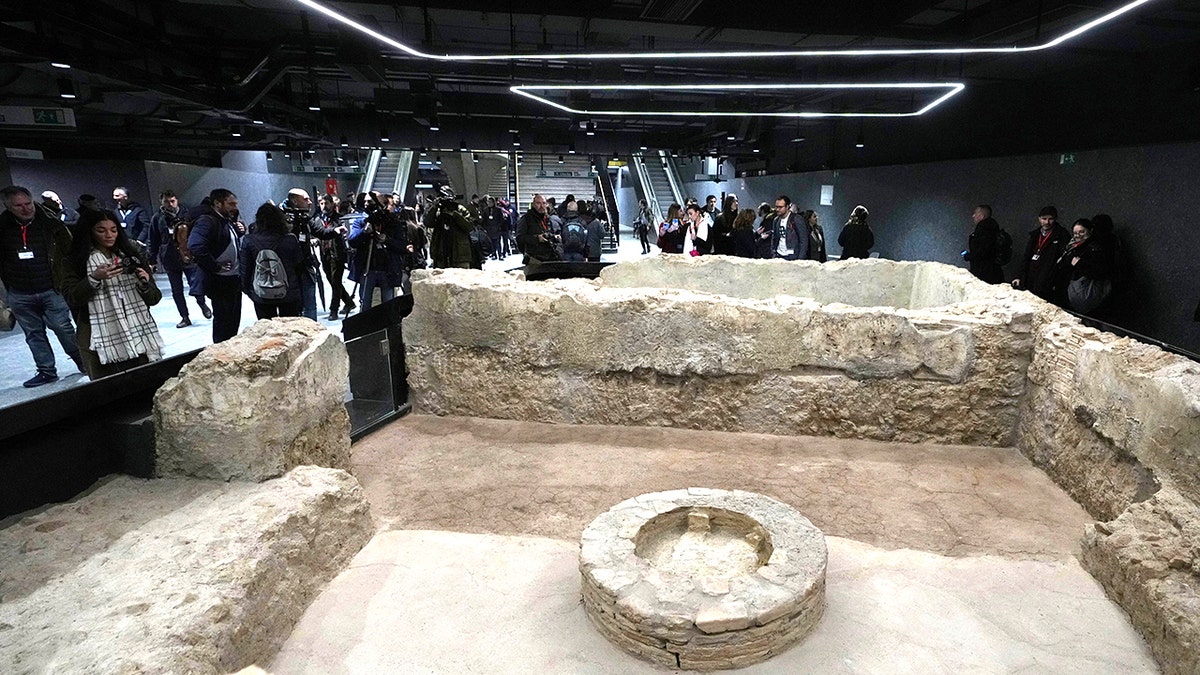
Newly opened subway stations in Rome feature ancient artifacts uncovered during construction beneath historic landmarks.(AP Photo/Alessandra Tarantino)
Colosseo’s displays include ceramic vases and plates, stone wells and ancient suspended buckets, along with a cold plunge pool and thermal bath from a first-century dwelling.
Porta Metronia, just a stone’s throw away, features nearly 260-foot-long military barracks dating back to the second century AD.
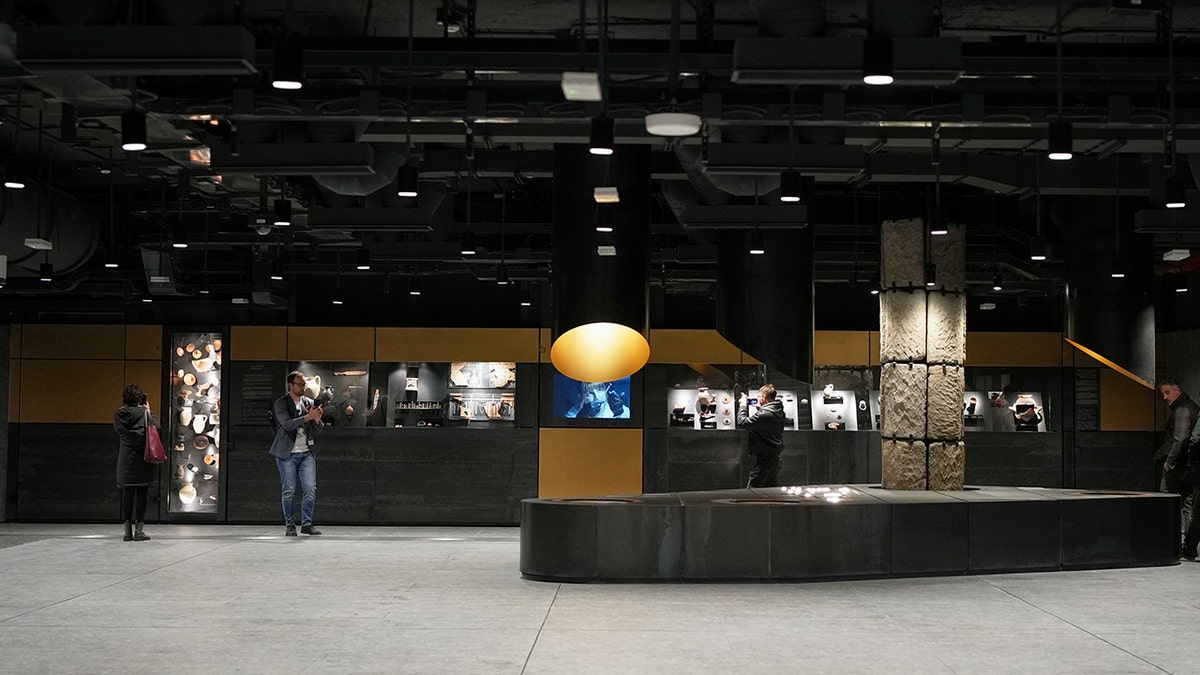
Rome’s Metro C expansion exposed centuries-old remains that are now visible inside modern transit stops.(AP Photo/Alessandra Tarantino)
The stops are part of the Metro C subway line, a venture that will cost the city around $8.3 billion and is slated to fully open up in 2035.
“The challenge was … building it under such a large amount of groundwater and at the same time preserving all the archaeological finds that we found.”
Though the project has been slowed by bureaucratic delays and funding issues, the excavation has revealed more than 500,000 artifacts.
TEST YOURSELF WITH OUR LATEST LIFESTYLE QUIZ
Marco Cervone, construction manager for the consortium building the subway line, told The Associated Press that the terrain made the venture difficult.
“The challenge was … building it under such a large amount of groundwater and at the same time preserving all the archaeological finds that we found during the excavation, and all this while preserving everything that is above,” Cervone said.

Rome’s Metro C expansion forced builders to work around first- and second-century structures buried deep below street level.(Alessandra Tarantino/AP Photo)
The station openings come as Italian officials introduce new measures to manage tourism in the Eternal City.
onelink.me/xLDS?pid=AppArticleLink&af_web_dp=https%3A%2F%2Fwww.
In December, officials announced that tourists visiting theTrevi Fountainwill need to pay about $2.35, or €2, to see the fountain up-close, thanks to overcrowding in recent years.
The Associated Press contributed reporting.
![[aggregator] downloaded image for imported item #2632](https://newsview.top/wp-content/uploads/2025/11/pilgrim-cross-la-croix-glorieuse-de-dozule-france-1024x576.jpg "Rumored supernatural sighting of Jesus in hillside town debunked by Pope Leo XIV")
![[aggregator] downloaded image for imported item #2625](https://newsview.top/wp-content/uploads/2025/11/erwerew335451212-1024x576.jpg "Las Vegas officials weigh banning criminal offenders from Strip to revive tourism")
![[aggregator] downloaded image for imported item #2618](https://newsview.top/wp-content/uploads/2025/11/napoleon-bonaparte-dna-study-russia-defeat-history-france-1-1024x576.jpg "Deadly bacteria that doomed Napoleon's army discovered 213 years after Russian retreat")
![[aggregator] downloaded image for imported item #2611](https://newsview.top/wp-content/uploads/2025/11/bethleham-christmas-nativity-scene-1024x576.jpg "Birthplace of Jesus to resume Christmas celebrations after war forced a two-year pause")