
![[aggregator] downloaded image for imported item #44215](https://newsview.top/wp-content/uploads/2026/02/elizabeth-warren-january-12-2026.jpg "Why capping credit card interest rates will kill credit for working families")
This post was originally published on this site.
Americans are rightfully concerned about affordability.From healthcare and housing to groceries and utility bills, Americans have been finding these everyday necessities difficult to afford for far too many years.
In response, PresidentDonald Trumpand Republicans in Congress are pursuing multiple policies meant to lower costs for the American people.
While the President and our former Republican congressional colleagues usually have good economic and regulatory instincts, there are some policies worth reconsidering, as they could exacerbate the affordability crisis.
For example, as Congress assesses the proposed 10% price cap on credit, Republicans should follow their instincts by recognizingprice controlslike this have a long history of producing harmfulunintended consequencesfor working families and small businesses.
When governments mandate an artificially low price for a product or service in a competitive market, the result is always the same: reduced supply.This is not just a theory.It’s historical fact.
In 1971, President Nixon set price controls on retail gasoline sales.Because drivers paid less at the pump than the true cost of gas, demand increased.But since producers and gasoline retailers could not recover their full costs from the artificially low prices, they supplied less to the market.The result was a predictable shortage of gasoline and Americans waiting in long lines at the gas pumps.
In several large American cities, including New York City,San Franciscoand Los Angeles, rent increases are capped at varying rates, preventing landlords from being able to recoup investment in maintenance and improvements, causing neglected maintenance, reduced improvements and a shortage of new housing.
CONSERVATIVE INFLUENCER CALLS OUT TRUMP’S CREDIT CARD CAP AS PROPOSAL THAT ‘SOCIALISTS’ SUPPORT
Price controls on credit cards would have a similar effect.They would reduce the availability of credit.
Banks charge interest on credit cardsbecause there are costs and risks associated with issuing and managing them.For example, banks must cover the infrastructure cost of the credit card, including administration, maintaining security, applying chargebacks and offering credit card rewards programs.Credit card balances are unsecured loans with high default rates, creating a significant cost for banks.
By capping rates at an arbitrary and artificially low level, such as 10%, banks would either have to make up for the lost revenue elsewhere with higher fees and charges, or discontinue issuing credit cards to high-risk and low-income customers.
Consumers who lose access to credit cards altogether would be forced to turn to more expensive, riskier alternatives, such as loan sharks and payday lenders.The Cato Institute emphasizes that, “History has shown that these [price] controls result in shortages, black markets, and suffering.In any event, consumers lose.”
For those consumers who could keep their credit cards, banks would “likely respond to acredit card capby reducing rewards programs and other card benefits, including fraud protection, while replacing lost interest revenue with fees to be paid by all credit card users,” the American Action Forum explains.
A credit card rate cap would also bring government interference where free market competition is already working to the benefit of customers.In fact, there are already dozens of credit cards with 0% APR introductory rates for significant lengths of time.Economist Stephen Moore authored a report last year detailing the harm a rate cap would have on consumers, concluding that the “System isn’t broken.Credit cards are more popular than ever… But rules that make cards less profitable and more vulnerable to the risk of losses from non-payments threaten this well-functioning and economically vital market.”
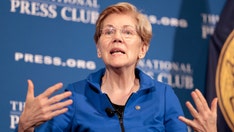
Elizabeth Warren, Sen.Bernie Sandersand U.S.Rep.Maxine Watershave long supported caps on credit card interest rates. Fortunately, most Republicans know better. Leaders, including Sen.Mike Rounds, Sen.Pete Ricketts, House SpeakerMike Johnsonand Senate Majority LeaderJohn Thune, have voiced strong concerns about these price controls, with Sen.Thune correctly observing that the proposal “would probably deprive an awful lot of people access to credit around the country.”
Free markets deliver consumers better products, services and choices than price-setters in Washington.Congress should let the marketplace continue to offerconsumers, working-class familiesand Main Street businesses, of all incomes, access to the credit they need.
Kevin Brady served as a U.S.representative from Texas from 1997 to 2023.He serves as an advisor to Americans for Free Markets.
![[aggregator] downloaded image for imported item #35072](https://newsview.top/wp-content/uploads/2026/02/newsom-gavin-1024x576.jpg "JONATHAN TURLEY: Grandstanding Newsom will stop at nothing to ride the rails to glory in 2028")
![[aggregator] downloaded image for imported item #35064](https://newsview.top/wp-content/uploads/2026/02/one-battle-after-another-2-1024x576.jpg "Will 'One Battle After Another' ride the anti-ICE protest wave to Best Picture at the Oscars?")
![[aggregator] downloaded image for imported item #35306](https://newsview.top/wp-content/uploads/2026/02/virginia-military-institute-cadets-1024x576.jpg "DAVID MARCUS: Only Hegseth can save storied Virginia Military Institute from woke state lawmakers")