
![[aggregator] downloaded image for imported item #34052](https://newsview.top/wp-content/uploads/2026/02/dr.-ankit-bharat-performing-surgery-1024x576.jpg "Surgeons keep man alive without lungs, paving new path to transplant")
This post was originally published on this site.
Surgeons at Northwestern Medicine in Chicago were able to keep a critically ill patient alive for 48 hours after removing both of his lungs, the hospital reported last week.
The patient, a 33-year-old Missouri resident whose name was not shared, was originally flown to Northwestern Memorial Hospital with lung failure linked to aflu infectionin spring 2023.
When his condition escalated to severe pneumonia and sepsis, his heart stopped and the team performed CPR, according to a press release on the case.
GIRL WITH HEART FAILURE CALLS DAD WITH LIFE-CHANGING MESSAGE AFTER 200-DAY HOSPITAL STAY
“He had developed an infection of his lungs that just could not be treated withany antibioticsbecause it was resistant to everything,” said Ankit Bharat, M.D., chief of thoracic surgery and executive director of the Northwestern Medicine Canning Thoracic Institute.“That infection caused his lungs to liquify and then continued to progress to the rest of his body.”
The lungsneeded to be removedto stop the spread of infection, but there was a dangerous risk of immediate heart failure.
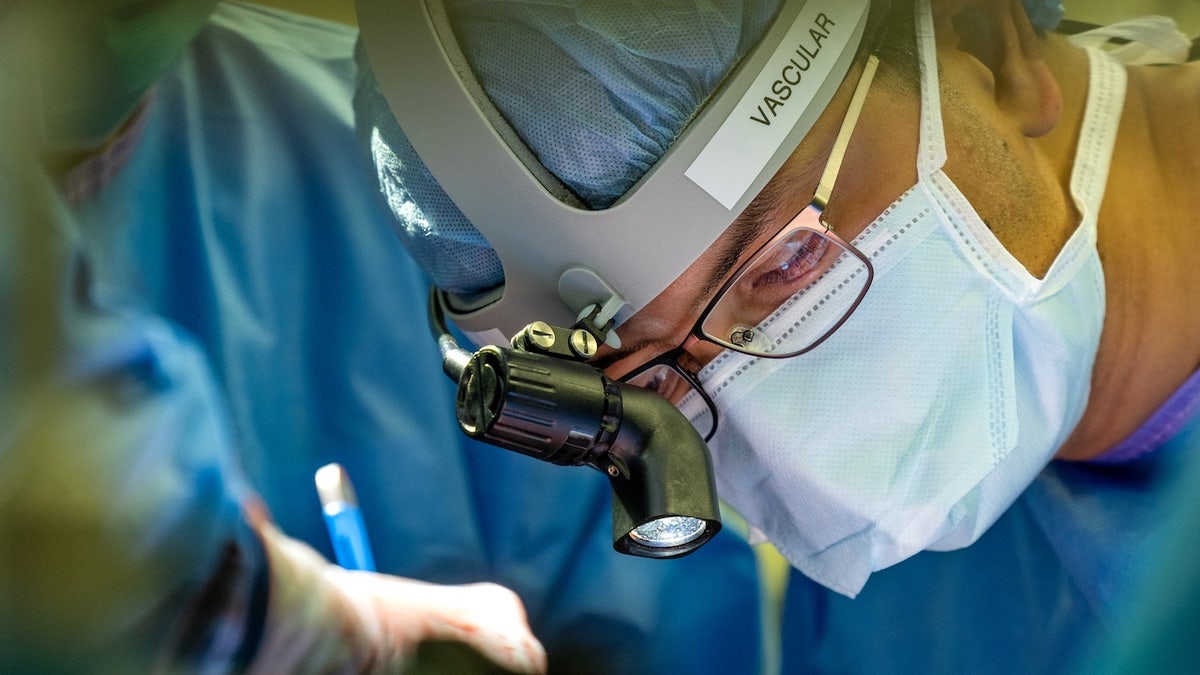
“He had developed an infection of his lungs that just could not be treated with any antibiotics because it was resistant to everything,” said Ankit Bharat, M.D., chief of thoracic surgery and executive director of the Northwestern Medicine Canning Thoracic Institute (pictured).(Northwestern Medicine)
“The lungs act as a ‘shock absorber’ for the right side of the heart;when you remove them, the heart pumps against high resistance and can fail instantly,�
“Another critical danger is that without blood flowing from the lungs to the left heart, the left heart chambers can collapse or form deadly clots.”
MAN RECEIVES WORLD’S FIRST PIG LUNG TRANSPLANT IN GROUNDBREAKING MEDICAL PROCEDURE
While the man remained on life support, the medical team designed a “total artificial lung system” (TAL) that took over gas exchange (oxygenation and CO₂removal) andmaintained blood flowto the heart in hopes that it could keep the patient alive after both of his diseased lungs were removed.
“A key innovation here is that we maintained the heart’s natural physiology.By using a ‘flow-adaptive’ design, we allowed the patient’s own heart to regulate blood flow, rather than forcing it with a machine,” Bharat said.
“Just one day after we took out the lungs, his body started to get better because the infection was gone.”
“Just one day after we took out the lungs, his body started to get better because the infection was gone.”
After 48 hours, the patient was stable enough to proceed with adouble-lung transplant.Two years later, he is back to his regular routine.
lung function, his heart function is preserved and he is completely functionally independent.”
This was the first successful application of this specific type of system, according to the medical team.
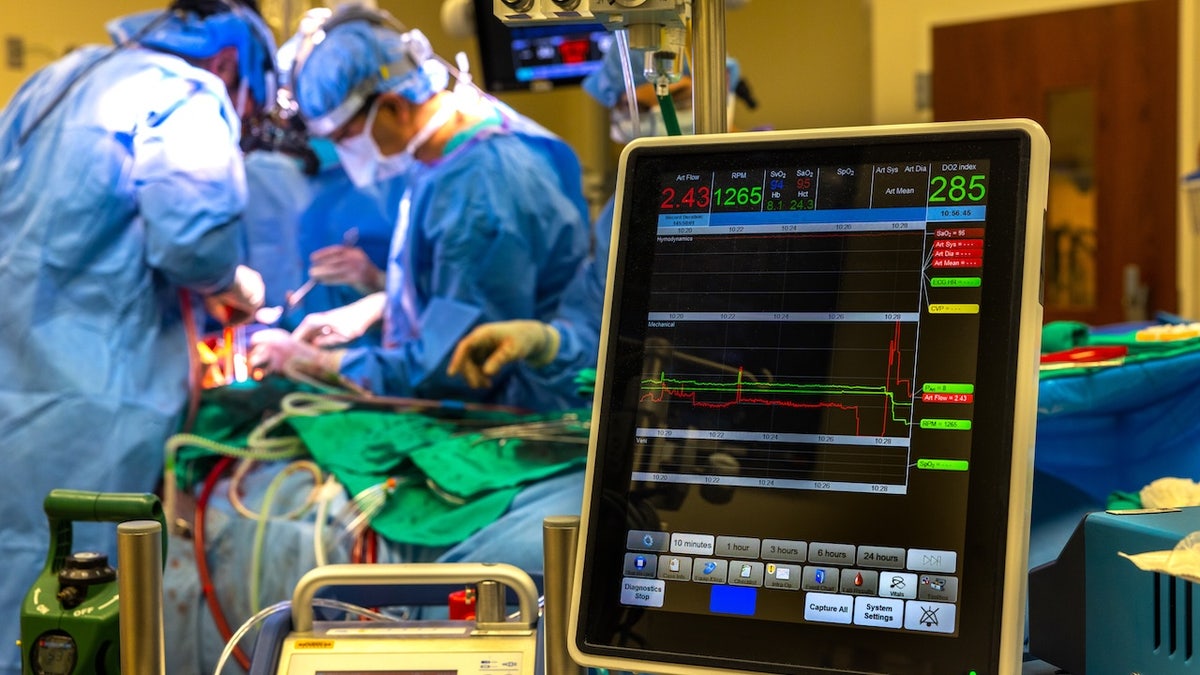
The medical team designed a “total artificial lung system” that maintained blood flow to the heart until the transplant could be placed.(Northwestern Medicine)
“While the concept of removing lungs and bridging to transplant has been attempted in rare cases historically, those prior attempts faced significant limitations regarding blood flow management and the risk of clots,�
“Our system is novel because it includes a self-regulating ‘shunt’ that mimics the natural physics of the lung toprotect the heart, and it uses dual return tubes to maintain normal blood flow through the left heart chambers.”
respiratory distresssyndrome (ARDS) along with necrotizing pneumonia or septic shock.
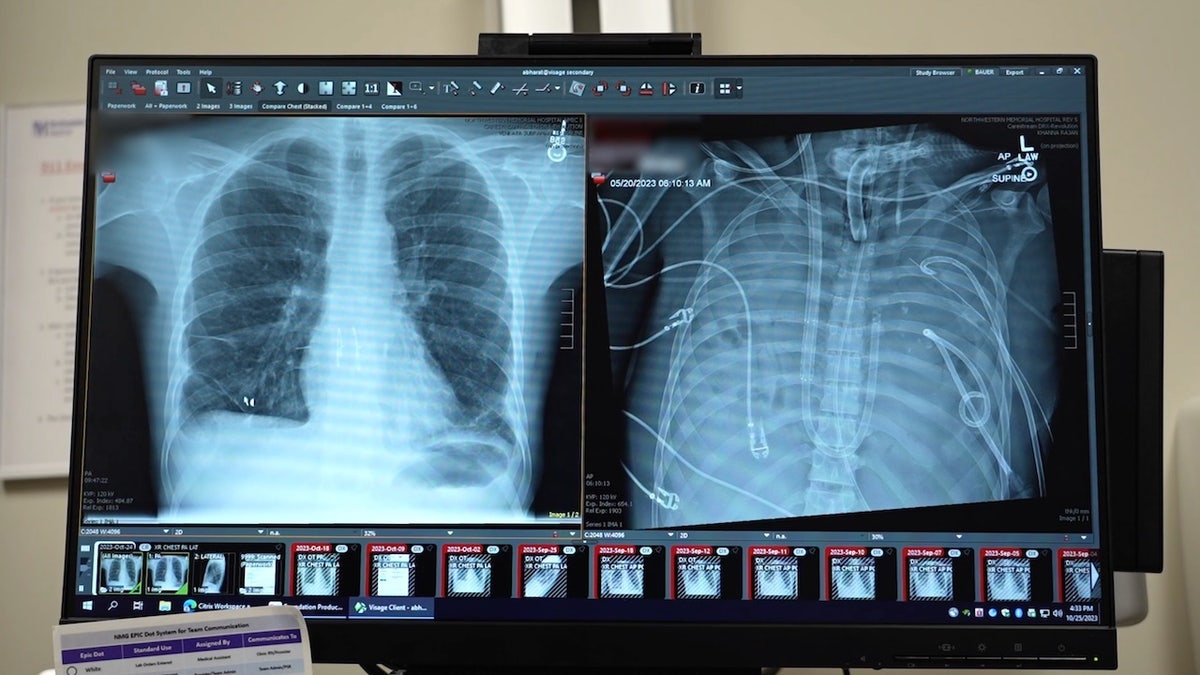
The patient’s new transplant is shown at left, and his old lungs are shown at right.“This technology allows us to ‘clean the slate’ by removing the infection, stabilizing the patient and bridging them to a successful transplant,” the lead surgeon said.(Northwestern Medicine)
“These patients have a mortality rate exceeding 80% and are often turned down for transplant because they are too infected,” Dr.Bharat said.“This technology allows us to ‘clean the slate’ by removing the infection,stabilizing the patientand bridging them to a successful transplant.”
TEST YOURSELF WITH OUR LATEST LIFESTYLE QUIZ
In the future, he added, they hope to develop durable, implantable artificial lungs that patients can live with long-term, not just as a bridge to transplant.
![[aggregator] downloaded image for imported item #22232](https://newsview.top/wp-content/uploads/2026/01/wrigleys-chewing-gum-delivery-cart-1024x576.jpg "Study reveals why chewing gum might actually help with focus and stress relief")
![[aggregator] downloaded image for imported item #22404](https://newsview.top/wp-content/uploads/2026/01/man-struggles-sleeping-1024x576.jpg "Missing sleep may take a hidden toll on your brain and longevity, research reveals")