
![[aggregator] downloaded image for imported item #53414](https://newsview.top/wp-content/uploads/2026/03/talking-to-doctor-1024x576.jpg "Stopping Ozempic? New study reveals surprising weight regain results after GLP-1s")
This post was originally published on this site.
With millions of people using injectableGLP-1 medicationslike Ozempic, Wegovy or Zepbound, many may wonder what happens if they stop.
Previous clinical trials suggested a discouraging “rebound” effect, where patientsregained a significant portionof their lost weight almost immediately after ending treatment.
However, a new study from Cleveland Clinic, published in the journal Diabetes, Obesity and Metabolism, offers a more hopeful perspective on what happens when the injections stop.
SPECIFIC AMOUNT OF NIGHTLY SLEEP MAY LOWER DIABETES RISK, RESEARCHERS FIND
The study looked at nearly 8,000 adults in Ohio and Florida who used semaglutide or tirzepatide for three to 12 months before stopping, according to a press release.
Unlike tightly controlled clinical trials, the researchers looked at “real-world” outcomes where patients often switch from one medication to another.

Patients only regained a small portion of the overall weight they lost in the new study.(iStock)
Overall, patients did not experience significantweight regainin the year after stopping a GLP-1.Among those treated specifically for obesity, the average weight loss before stopping was 8.4%;one year later, they had regained just 0.5% on average.
“Our real-world data show that many patients who stop semaglutide or tirzepatide restart the medication or transition to anotherobesity treatment, which may explain why they regain less weight than patients in randomized trials,” said lead study author Dr.Hamlet Gasoyan in the press release.
NEW WEGOVY PILL OFFERS NEEDLE-FREE WEIGHT LOSS — BUT MAY NOT WORK FOR EVERYONE
This suggests that the rebound seen in clinical trials may be a result of patients being left without alternative support, a scenario that doesn’t have to happen in clinical practice, researchers say.
An estimated 27% of patients transitioned to different medications, including older-generationobesity drugs, while another 20% eventually restarted their original medication once insurance issues or side effects were resolved.

An estimated 27% of patients transitioned to different medications.(iStock)
Another 14% transitioned to intensive lifestyle modification programs, working closely with dietitians and exercise specialists.
healthcare system, whether through alternative prescriptions or structured lifestyle support, the researchers noted.
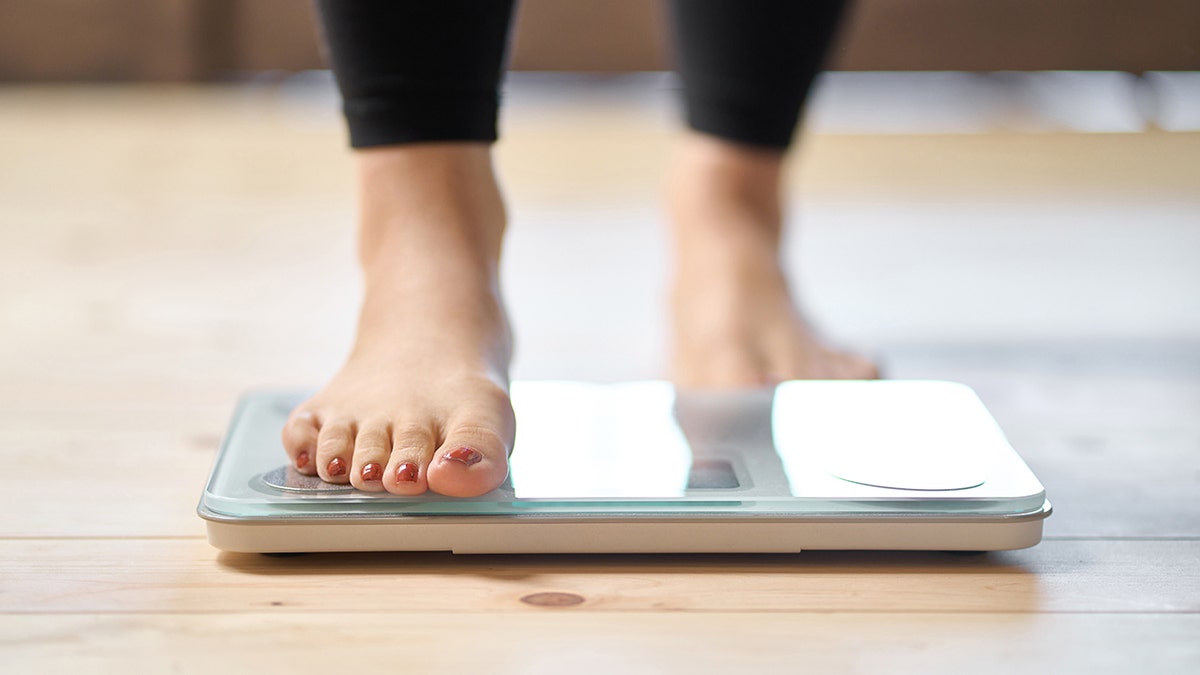
Some of the observed weight reduction may be associated with other interventions that the team was unable to capture.(iStock)
Some of the observed weight reduction may be associated withother interventionsthat the researchers were unable to capture.
TEST YOURSELF WITH OUR LATEST LIFESTYLE QUIZ
“In our future work, we will examine the comparative effectiveness of alternative treatment options for obesity in patients who discontinue semaglutide or tirzepatide, to help patients and their clinicians make informed decisions,” Gasoyan added.
![[aggregator] downloaded image for imported item #27946](https://newsview.top/wp-content/uploads/2026/01/woman-sleep-apnea-wearing-cpap-machines-1024x576.jpg "Pill instead of CPAP? New sleep apnea drug could be ‘holy grail,’ expert says")
![[aggregator] downloaded image for imported item #28207](https://newsview.top/wp-content/uploads/2026/01/woman-at-doctor-colorectal-cancer-1024x576.jpg "Colorectal cancer now deadliest type for certain group of Americans, study finds")
![[aggregator] downloaded image for imported item #28200](https://newsview.top/wp-content/uploads/2026/01/airplane-passengers-sitting-1024x576.jpg "Rise of weight-loss pills could drive down the cost of airplane tickets")
![[aggregator] downloaded image for imported item #27946](https://newsview.top/wp-content/uploads/2026/01/man-wearing-cpap-machine.gif "Doctors say 3 small lifestyle shifts could extend life by nearly a decade")