
![[aggregator] downloaded image for imported item #23201](https://newsview.top/wp-content/uploads/2026/01/sleep-study-1024x576.jpg "Sleep patterns could predict risk for dementia, cancer and stroke, study suggests")
This post was originally published on this site.
New developments inartificial intelligencecould use sleep data to predict disease risk, a new study suggests.
Stanford Medicine researchers have developed an AI model trained on nearly 600,000 hours of sleep data collected from over 60,000 participants at various sleep clinics.
The model, called SleepFM, reportedly can predict a person’s risk of developing more than 100 health conditions, according to a press release from the university.
ALZHEIMER’S RISK COULD RISE WITH COMMON CONDITION AFFECTING MILLIONS, STUDY FINDS
The researchers trained SleepFM using polysomnography, a comprehensivesleep measurementthat tracks brain and heart activity as well as breathing, leg movements and eye movements.It is considered the “gold standard” of sleep studies, they noted.
“Sleep contains far more information aboutfuture healththan we currently use,” James Zou, Ph.D.
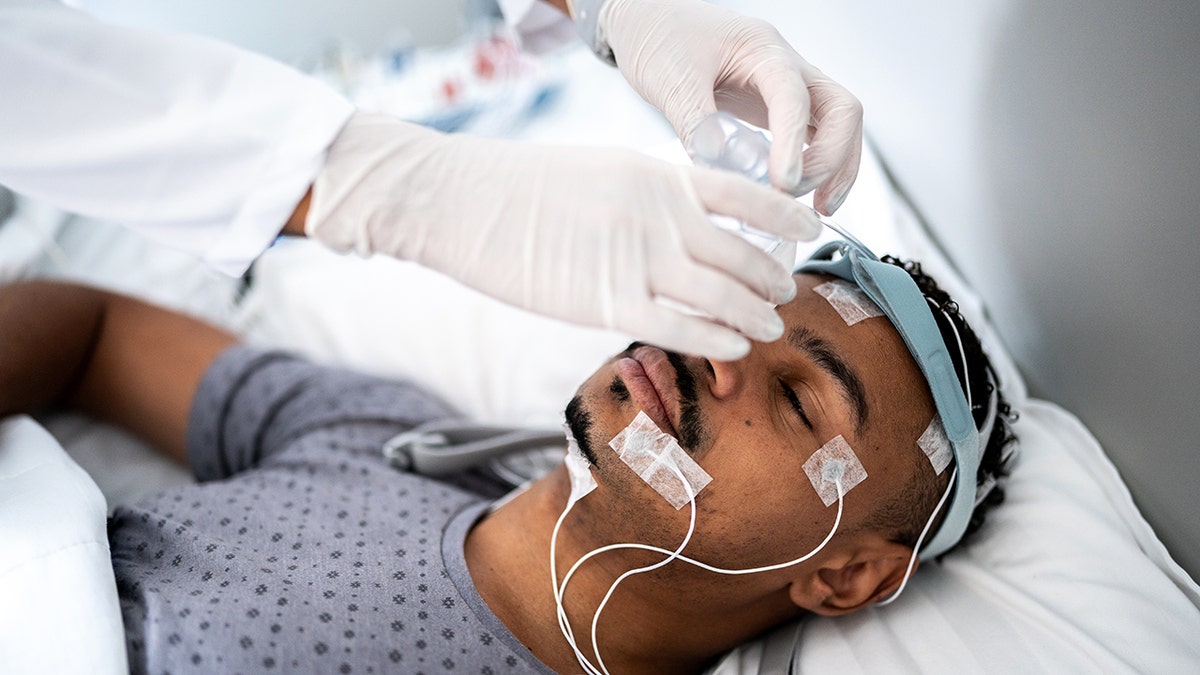
The AI model (not pictured) was trained on almost 600,000 hours of sleep data from 60,000 participants.(iStock)
“By learning the language of sleep, our AI model opens new doors for studying the science and medicine of sleep,” he added, noting that humans spend about one-third of their lives sleeping.
INSUFFICIENT SLEEP LINKED TO MAJOR HIDDEN HEALTH RISK, STUDY REVEALS
In the study, the team paired the sleep data with the participants’electronic health records, which provided up to 25 years of data.
The model analyzed 1,000 disease categories in those health records and discovered 130 diseases that it could predict with “reasonable accuracy,” according to the release.
onelink.me/xLDS?pid=AppArticleLink&af_web_dp=https%3A%2F%2Fwww.
“By analyzing a single night of sleep with powerful AI, we found thatpatterns in sleepcan predict the risk of over 100 different diseases years before diagnosis,” Zou said.

Humans spend about one-third of their lives sleeping, according to the researchers, making sleep a rich source of data.(iStock)
Those included dementia,heart disease, stroke, kidney disease and even overall mortality.The model’s predictions were particularly strong for cancers, pregnancy complications, circulatory conditions and mental disorders, the researchers noted.
emergency medicine physicianand national speaker on artificial intelligence based in Dallas, commented on Stanford�
“A significant signal doesn’t equal ready medicine,” said Castro, who was not involved in the study.“SleepFM is a breakthrough, not yet a bedside tool.”
“Ranking risk isn’t the same as predicting outcomes.”
The expert also emphasized that while the tool ranks risk, it can’t necessarily predict that disease will occur.“Ranking risk isn’t the same as predicting outcomes, and patients live in outcomes,” he said.
Before the tool can be used in “real life,” it must be proven to work outside the lab, according to Castro.
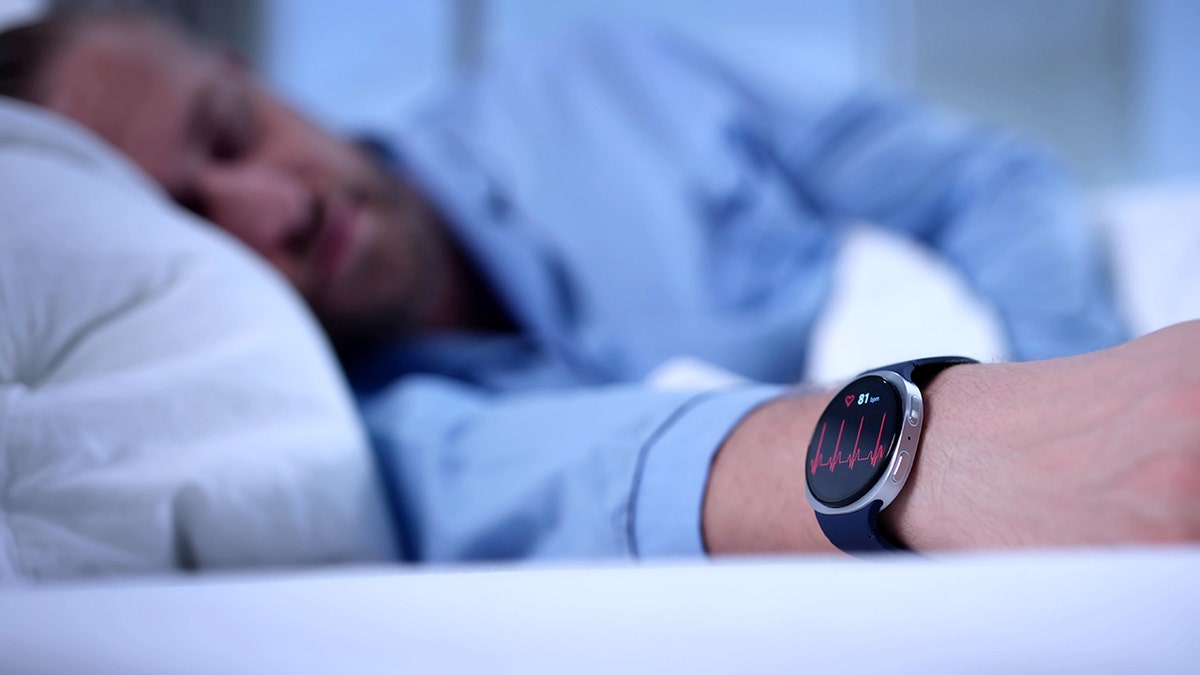
The team hopes to create wearable devices that allow individual, casual use of the technology.(iStock)
Other limitations include the fact that the team used “multi-modal sleep recordings” that retrieve very strong signals from the brain, heart andrespiratory system.
The researchers hope to extend the research to collect data from patients using wearable devices, which could help pinpoint exactly what the model is interpreting.
TEST YOURSELF WITH OUR LATEST LIFESTYLE QUIZ
For now, the technology is only being tested in research settings and is not available to consumers.
![[aggregator] downloaded image for imported item #22232](https://newsview.top/wp-content/uploads/2026/01/wrigleys-chewing-gum-delivery-cart-1024x576.jpg "Study reveals why chewing gum might actually help with focus and stress relief")
![[aggregator] downloaded image for imported item #22404](https://newsview.top/wp-content/uploads/2026/01/man-struggles-sleeping-1024x576.jpg "Missing sleep may take a hidden toll on your brain and longevity, research reveals")