
![[aggregator] downloaded image for imported item #46293](https://newsview.top/wp-content/uploads/2026/03/veggie-diet-1024x576.jpg "Seniors over 80 who eat specific diet may be less likely to reach 100 years old")
This post was originally published on this site.
Older adults who avoid meat in their golden years may be less likely toreach age 100than their meat-eating counterparts, new research suggests.
Researchers tracked more than 5,000 adults aged 80 or older who were enrolled in the Chinese Longitudinal Healthy Longevity Survey.
Between 1998 and 2018, data showed that those who did not eat meat were less likely to reach their 100th birthday than those who consumedanimal productsregularly.
The findings seem to contradict previous studies that have linked vegetarianism andplant-based dietsto lower risks of heart disease, stroke, diabetes and obesity.
Most evidence supporting the benefits of plant-based diets comes from studies tracking younger populations, the researchers noted.
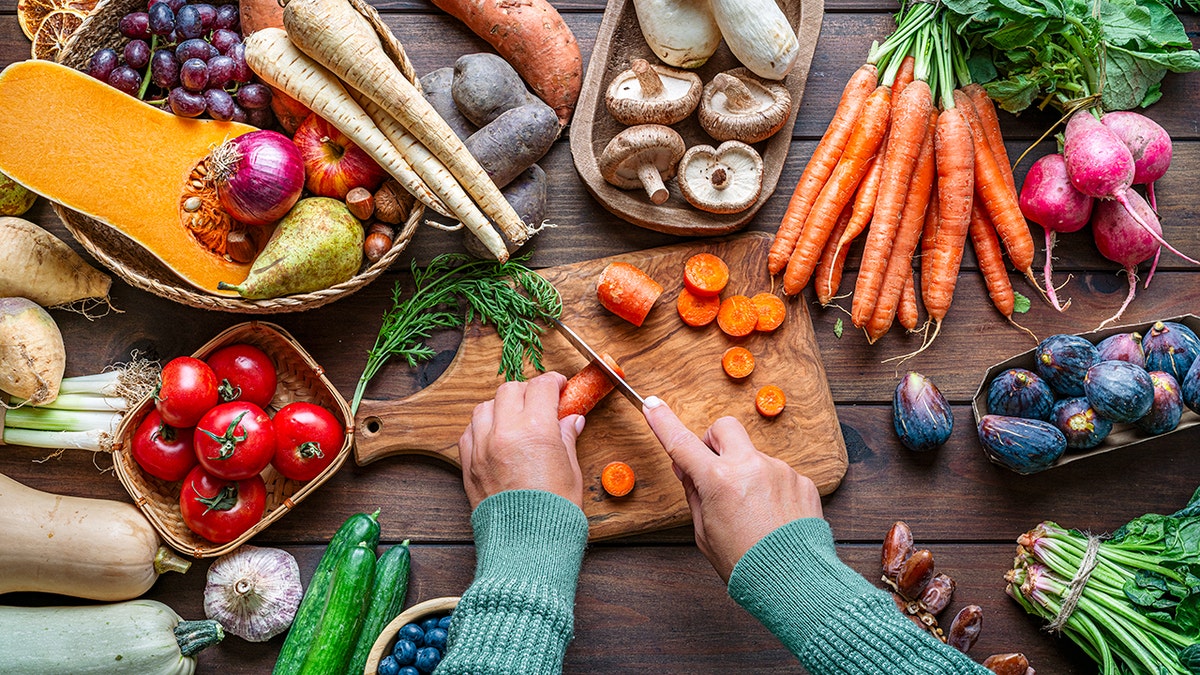
The findings contrast with previous research praising plant-based diets for their positive influence on heart health.(iStock)
The study, published in The American Journal of Clinical Nutrition, points to losses in muscle mass and bone density with age, shifts that can increase the risk of malnutrition and frailty in the “oldest old.”
As people enter their 80s and 90s, thenutritional priorityoften shifts from preventing long-term chronic diseases to maintaining day-to-day physical function, experts say.
HOW MUCH RED MEAT IS TOO MUCH?EXPERTS WEIGH IN ON FOOD PYRAMID UPDATES
“The headline ‘vegetarians over 80 less likely to reach 100’ sounds surprising, because it contrasts with decades of data linking plant‑forward diets to lower chronic disease risk earlier in life,�
“However, once you see that this research is limited to adults over the age of 80 who are also underweight — and that this link disappears with the consumption of eggs, dairy and fish — the results are less surprising.”

While diets earlier in life tend to emphasize avoiding long-term disease, older age necessitates nutrients and weight maintenance, experts say.(iStock)
In those over 80, restricting animal proteins may be less likely topromote longevity, according to Palinski-Wade, who was not involved in the study.
Eliminating all animal protein — particularly in a population that may already experience diminished hunger cues — can make it more difficult to meet adequate protein needs, potentially increasing the risk ofnutrient deficiencies, the nutritionist said.
ALZHEIMER’S SYMPTOMS COULD BE PREDICTED YEARS IN ADVANCE THROUGH ONE SIMPLE TEST
In addition to a higher tendency to be underweight, older populations also face a greater risk of bone fractures due to lower calcium and protein intake.
Potential limitations
The lower rate of vegetarians reaching 100 was only observed in participants identified as underweight, the researchers noted.No such association was found in people who maintained a healthy weight.

Those incorporating animal-sourced products other than meat were just as likely to live to 100.(iStock)
Additionally, the shortened lifespans were not found in people who continued to eat non-meat animal products, such as fish, dairy and eggs.
Older adults with these more flexible diets were just as likely to live to 100 as those eating meat, as these foods may provide the nutrients necessary for maintaining muscle and bone health, the researchers noted.
onelink.me/xLDS?pid=AppArticleLink&af_web_dp=https%3A%2F%2Fwww.
“This is an observational study, so it can only show associations, and does not prove that avoiding meat directly reduces the odds of reaching 100,” Palinski-Wade added.
Eliminating all animal protein — particularly in a population that may already experience diminished hunger cues — can make it more difficult to meet adequate protein needs, potentially increasing the risk of nutrient deficiencies.(iStock) Palinski-Wade offered some guidance for those looking to optimize nutrition later in life. “For adults in their 80s and beyond, especially anyone losing weight or muscle, the priority should be maintaining a healthy weight and meeting protein and micronutrient needs — even if that means adding or increasing fish, eggs, dairy or well‑planned, fortified plantproteins and supplements.” TEST YOURSELF WITH OUR LATEST LIFESTYLE QUIZ Strict vegan or very low‑protein patterns at that age should be carefully monitored by a dietitian or clinician, with attention to B12, vitamin D, calcium and total protein, according to Palinski-Wade. “Younger andhealthier adultscan still confidently use plant‑forward or vegetarian patterns to lower long‑term chronic disease risk,” she added.

![[aggregator] downloaded image for imported item #22232](https://newsview.top/wp-content/uploads/2026/01/wrigleys-chewing-gum-delivery-cart-1024x576.jpg "Study reveals why chewing gum might actually help with focus and stress relief")
![[aggregator] downloaded image for imported item #22404](https://newsview.top/wp-content/uploads/2026/01/man-struggles-sleeping-1024x576.jpg "Missing sleep may take a hidden toll on your brain and longevity, research reveals")