
![[aggregator] downloaded image for imported item #47790](https://newsview.top/wp-content/uploads/2026/03/man-at-doctor-heart-1024x576.jpg "Ozempic-style drugs could slash complication risks after heart attacks, research suggests")
This post was originally published on this site.
A popular class ofweight-loss drugsmay prevent life-threatening cardiac complications by opening microscopic blood vessels that often remain blocked after a heart attack, according to a study published this week in Nature Communications.
The research, led by the University of Bristol and University College London, identified a biological brain-gut-heart signaling pathway.
This discovery appears to explain how GLP-1 drugs — which mimic glucagon-like peptide-1, a hormone that helps regulate blood sugar and appetite — protect heart tissue from a condition known as “no-reflow.”
“In nearly half of all heart attack patients, tiny blood vessels within the heart muscle remain narrowed, even after the main artery is cleared duringemergency medical treatment,” Dr.Svetlana Mastitskaya, the study’s lead author and a senior lecturer at Bristol Medical School, said in a press release.
“This results in a complication known as ‘no-reflow,’ where blood is unable to reach certain parts of the heart tissue.”

In nearly half of all heart attack patients, tiny capillaries (blood vessels) remain narrowed even after the main blocked artery is cleared.(iStock)
This lack of blood flow increases the risk of heart failure and death within a year.GLP-1 medicationscould prevent this, according to the researchers.
How it works
When the GLP-1 hormone is released in the gut or administered as a drug, it sends a signalto the brain, which then sends a signal to the heart that switches on special potassium channels in tiny cells called pericytes.
onelink.me/xLDS?pid=AppArticleLink&af_web_dp=https%3A%2F%2Fwww.
When these channels open, the pericytes relax, which allows the small blood vessels (capillaries) to widen and improve blood flow to the heart muscle, the researchers noted.
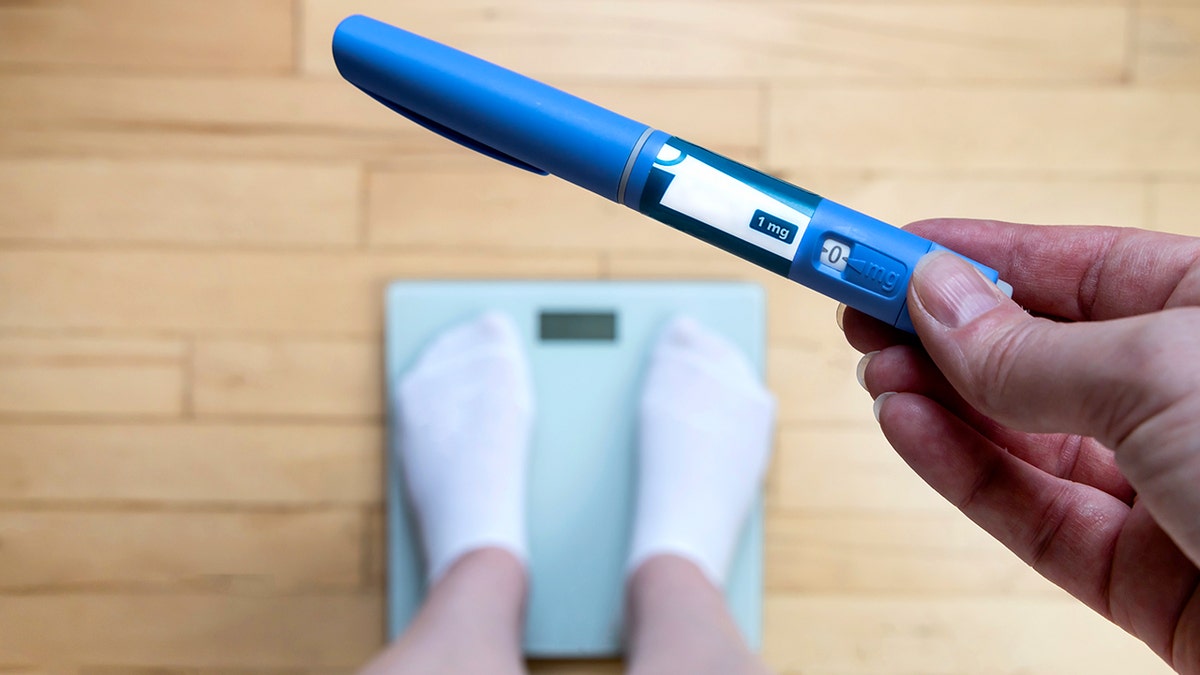
The findings suggest that existing GLP-1 medications, already used for type 2 diabetes and obesity, could be repurposed as emergency treatments.(iStock)
The findings suggest that existingGLP-1 medications, already used for type 2 diabetes and obesity, could be repurposed as emergency treatments during or immediately after a heart attack to reduce tissue damage.
While the study highlights the drug’s immediate benefits during a heart attack, it des not establish whether long-term use of these drugs provides a pre-existing level of protection.(iStock)
Additionally, while the study highlights the drug’s immediate benefits during a heart attack, it does not establish whether long-term use of the medication provides a pre-existinglevel of protection.
TEST YOURSELF WITH OUR LATEST LIFESTYLE QUIZ
The research was primarily funded by the British Heart Foundation.
Related Article

![[aggregator] downloaded image for imported item #23201](https://newsview.top/wp-content/uploads/2026/01/sleep-study-1024x576.jpg "Sleep patterns could predict risk for dementia, cancer and stroke, study suggests")
![[aggregator] downloaded image for imported item #23512](https://newsview.top/wp-content/uploads/2026/01/rfk-jr.-hhs-policy-announcement-jan.-2026-1024x576.jpg "RFK Jr reshapes CDC vaccine panel with new OB-GYN appointments")
![[aggregator] downloaded image for imported item #23506](https://newsview.top/wp-content/uploads/2026/01/man-happy-exercising-1024x576.jpg "Simple daily habit may help ease depression more than medication, researchers say")
![[aggregator] downloaded image for imported item #23499](https://newsview.top/wp-content/uploads/2026/01/crohns-disease-2-1024x576.jpg "Blood test flags digestive disease risk years before symptoms appear")