
![[aggregator] downloaded image for imported item #24867](https://newsview.top/wp-content/uploads/2026/01/visitors-watch-eruption-of-kilauea-volcano-1024x576.jpg "National park warns against dangerous crowding and traffic amid new volcano eruption")
This post was originally published on this site.
Hawaii’s Kilauea volcano erupted again this week — drawing renewed attention to Hawaiʻi Volcanoes National Park and fresh safety warnings.
The Jan.12th event marks thevolcano’s 40th eruptive episodesince 2024, according to the U.S.Geological Survey (USGS).
In a Facebook post announcing the eruption, park officials cautioned that increased interest in the activity could lead to heavy traffic and busy conditionsnear the park.
RESEARCHERS FIND ‘COMPELLING EVIDENCE’ OF POSSIBLE NOAH’S ARK REMAINS IN ONE COUNTRY
Officials urged visitors to plan ahead, slow down, follow posted signs — and park only in designated areas.
The current eruption inside the Halemaʻumaʻu crater can be viewed from several overlooks along Crater Rim Drive, though visibility can change quickly and weather such as fog or rain may obscure the lava, the park’s website noted.
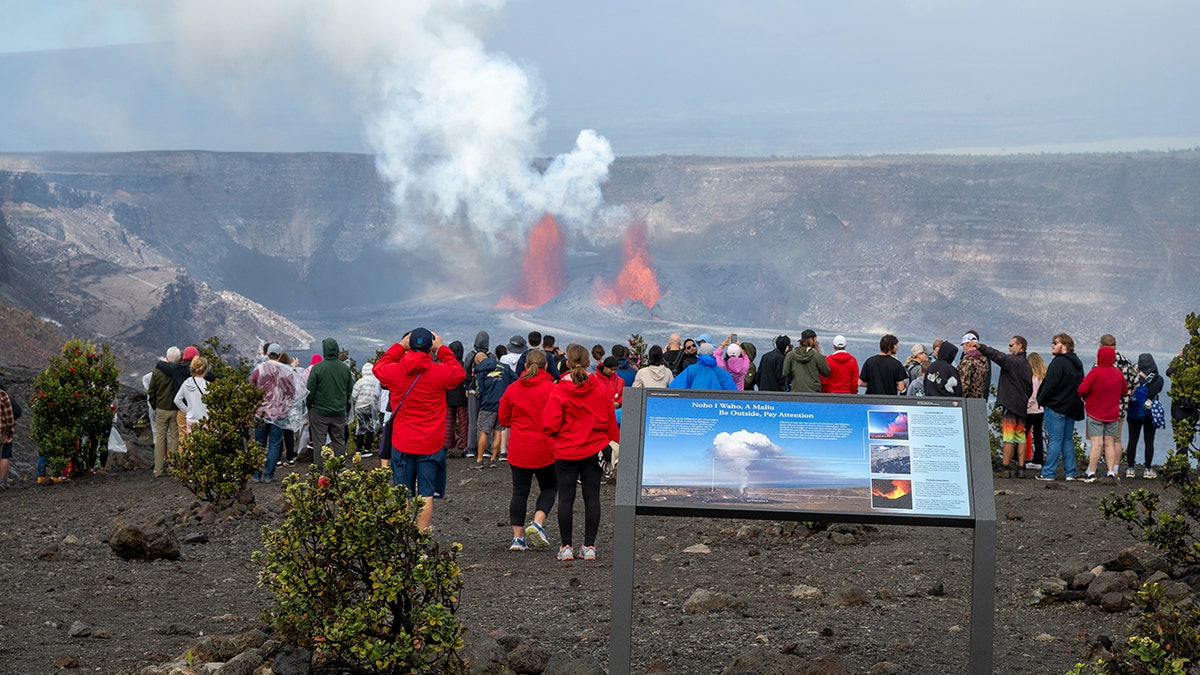
Park officials warned that heightened interest in the eruption may result in traffic congestion and crowded conditions around the park.(William Campbell/Getty Images)
“Consider factors such as viewing experience, long waits and crowds, hiking ability and available time when selecting where to view the eruption,” the park said.
weather conditions, including rain, fog and reduced visibility, can affect both viewing conditions and travel within the park.
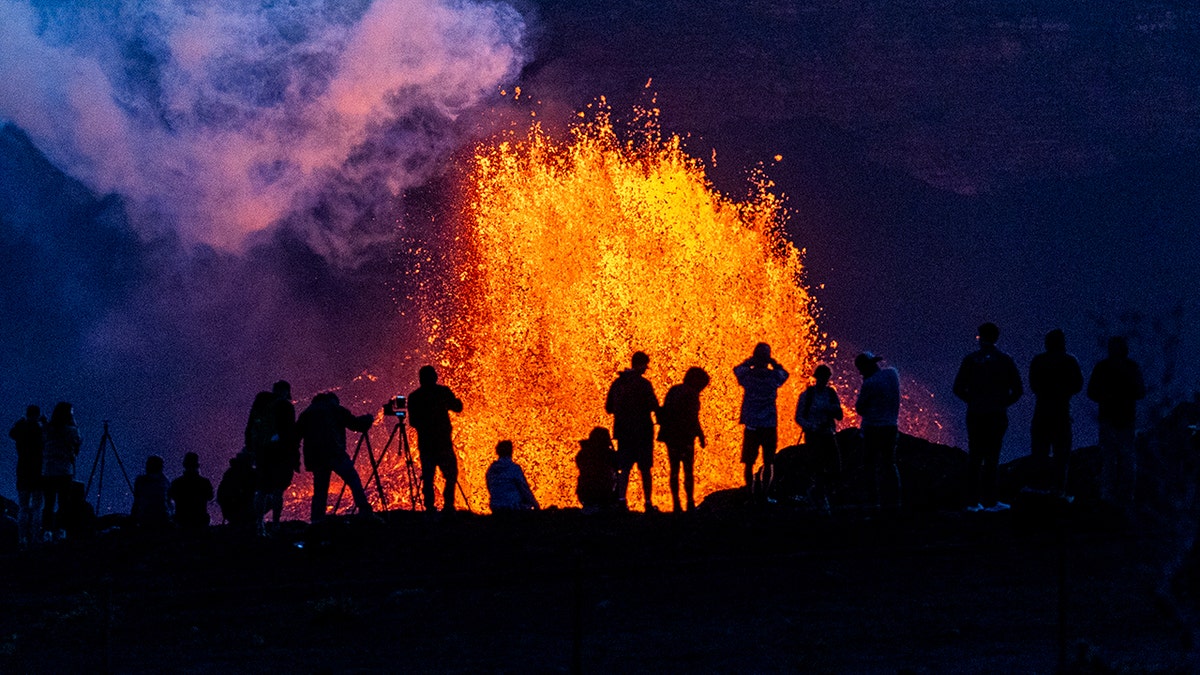
The ongoing eruption in the Halemaʻumaʻu crater is visible from multiple overlooks along Crater Rim Drive.(Gary Miller/Getty Images)
Beyond traffic and viewing conditions, officials are also monitoring environmental impacts from the eruption.
said.
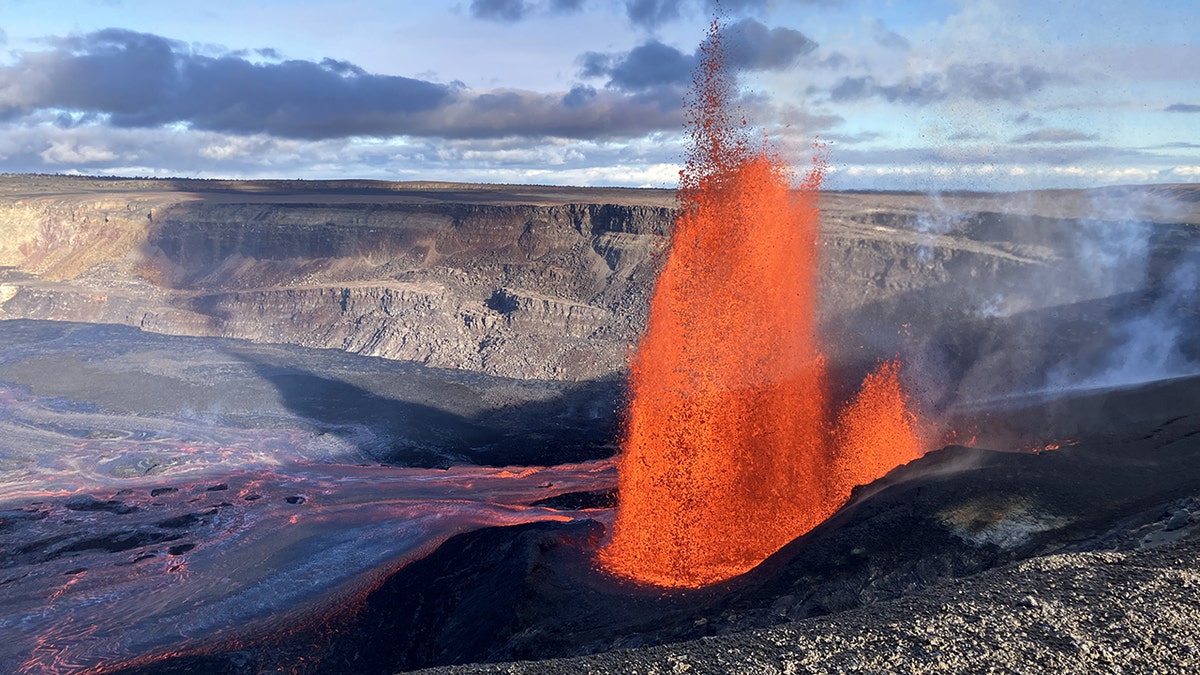
Officials are monitoring environmental impacts, as the eruption is releasing hazardous volcanic gases.(USGS -M.Zoeller/Anadolu via Getty Images)
Officials advised visitors to monitor air quality conditions, as volcanic gases can be especially hazardous for children and people with respiratory conditions.
Kīlauea has been eruptingepisodically since late December, the USGS said.
TEST YOURSELF WITH OUR LATEST LIFESTYLE QUIZ
The most eruptive episodes have lasted less than 12 hours — and they’re separated by pauses that can last days or weeks.
The USGS also reported a small swarm oflow-magnitude earthquakesbeneath the Halemaʻumaʻu crater on Wednesday, noting that activity remains confined within the Kīlauea caldera.
onelink.me/xLDS?pid=AppArticleLink&af_web_dp=https%3A%2F%2Fwww.
![[aggregator] downloaded image for imported item #22632](https://newsview.top/wp-content/uploads/2026/01/mollie-finlon-and-husband-on-cruise-1024x576.jpg "Cruise ship insider reveals simple booking trick for scoring a better cabin")
![[aggregator] downloaded image for imported item #22754](https://newsview.top/wp-content/uploads/2026/01/bulgaria-man-survives-lion-attack-ancient-archaeology-history-discovery-1-1024x576.jpg "Ancient man survived brutal lion attack, suffered lifelong damage: 'Extremely rare'")
![[aggregator] downloaded image for imported item #23050](https://newsview.top/wp-content/uploads/2026/01/4961a4b7-3-1024x576.jpg "CDC reports first cruise norovirus outbreak this year, as nearly 90 people are infected")
![[aggregator] downloaded image for imported item #23045](https://newsview.top/wp-content/uploads/2026/01/grenada-travel-advisory-violent-crime-fox-news-1-1024x576.jpg "Vacation destination slapped with increased travel advisory due to 'violent crime'")