
![[aggregator] downloaded image for imported item #32115](https://newsview.top/wp-content/uploads/2026/02/woman-sick-lying-on-couch-1024x576.jpg "Meningitis cases rise in major Midwestern city, prompting public health alert")
This post was originally published on this site.
Chicago health officialsare warning residents to be alert for symptoms of meningococcal disease after several recent infections were reported in adults across the city.
Seven cases ofNeisseria meningitidisinfections have been identified since mid-January, according to the Chicago Department of Public Health.
Two people have died as a result of the infection, the department said.
FLU BY STATE: WHERE THIS SEASON’S HIGHLY CONTAGIOUS VARIANT IS SPREADING THE MOST
Health officials have traced close contacts for all confirmed cases and providedpreventive antibioticsto those who may have been exposed.
Meningococcal disease is caused by Neisseria meningitidis, a type of bacteria that can infect the bloodstream or the lining of thebrain and spinal cord, according to Cleveland Clinic.

Chicago health officials are warning residents to watch for symptoms of meningococcal disease after seven infections were reported in the state.(iStock)
Transmission occurs through saliva and mucus during close or prolonged contact, such as sharing drinks, kissing, or being exposed to coughs and sneezes.
public health risknationwide.
The Centers for Disease Control and Prevention reported 503 confirmed and probable cases in the U.S.in 2024, based on preliminary data.

Infection is passed from person to person through saliva and mucus, usually during prolonged close contact.(iStock)
Symptoms of meningococcal disease can include fever, headache,nausea and vomiting, diarrhea, sensitivity to light, a stiff neck, and a skin rash that may appear as dark spots or bruising, per Cleveland Clinic.
Other signs may include confusion, irritability, difficulty walking, joint or muscle pain, and loss of appetite.
meningococcal infectionseach year, typically concentrated around the winter months,” the department noted.
The disease most oftenaffects seniorsas well as adolescents and young adults, Chicago health officials said.
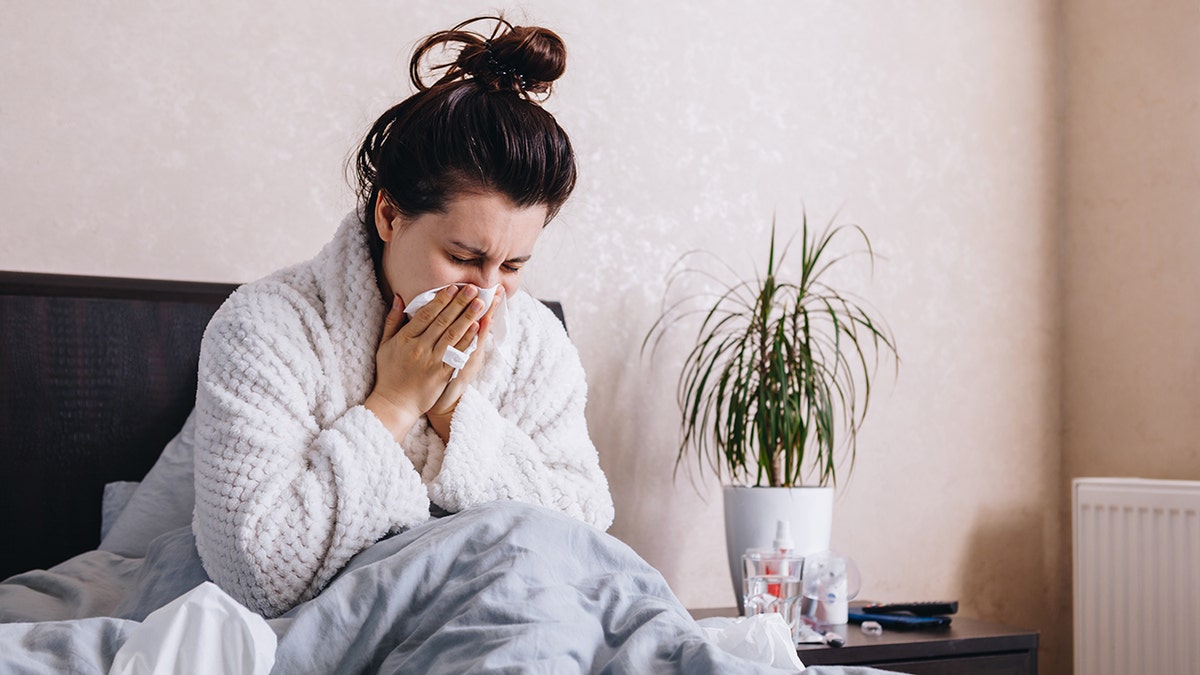
Symptoms can range from fever and headache to vomiting, diarrhea, and a rash that appears dark or bruised, Cleveland Clinic noted.(iStock)
To reduce risk, state guidelines recommend getting themeningococcal vaccinebeginning at ages 11 or 12, with a booster dose at 16.
TEST YOURSELF WITH OUR LATEST LIFESTYLE QUIZ
Meningococcal disease istreated with antibiotics, and doctors often begin immediate treatment if the illness is suspected because it can progress rapidly, Cleveland Clinic stated.
Patients with severe cases may also need additional treatments such as IV fluids, oxygen, blood pressure medications,or surgeryto treat damaged tissue.
onelink.me/xLDS?pid=AppArticleLink&af_web_dp=https%3A%2F%2Fwww.
Anyone who develops symptoms or believes they may have been exposed is urged to seek medical care promptly.Health experts stress that early treatment is critical.
![[aggregator] downloaded image for imported item #22232](https://newsview.top/wp-content/uploads/2026/01/wrigleys-chewing-gum-delivery-cart-1024x576.jpg "Study reveals why chewing gum might actually help with focus and stress relief")
![[aggregator] downloaded image for imported item #22404](https://newsview.top/wp-content/uploads/2026/01/man-struggles-sleeping-1024x576.jpg "Missing sleep may take a hidden toll on your brain and longevity, research reveals")