
![[aggregator] downloaded image for imported item #24879](https://newsview.top/wp-content/uploads/2026/01/2-STRESSED-ON-COMPUTER-1024x576.jpg "January scams surge: Why fraud spikes at the start of the year")
This post was originally published on this site.
Every January, I hear from people who say the same thing: “I just got an email that looked official, and I almost fell for it.” That’s not a coincidence.January is one of the busiest months of the year for scammers.While most of us are focused on taxes, benefits, subscriptions, and getting our finances in order, criminals are doing their own kind of cleanup,refreshing scam listsand going after people with newly updated personal data.If you’ve ever received a message claiming your account needs to be “verified,” your benefits are at risk, or your tax information is incomplete, this article is for you.
Sign up for my FREE CyberGuy Report
Get my best tech tips, urgent security alerts, and exclusive deals delivered straight to your inbox.Plus, you’ll get instant access to my Ultimate Scam Survival Guide — free when you join myCYBERGUY.COMnewsletter.
10 SIMPLE CYBERSECURITY RESOLUTIONS FOR A SAFER 2026

Scam messages often look urgent and official, pushing you to act before you have time to think.That pressure is exactly what criminals rely on.(Kurt “CyberGuy” Knutsson)
Why January is prime time for scammers
January is when scammers have everything they need. According to YouMail’s Robocall Index, U.S.consumers received just over 4.7 billion robocalls in January 2025, a roughly 9% increase from December 2024.This year, we can expect the same pattern from scammers.
They know:
But the biggest reason scams spike now?Your personal data is easier to find than you think.Data brokersquietly collect and update profiles year after year.By January, those profiles are often more complete than ever, and scammers know it.
The “account verification” scam you’ll see everywhere
One of the most common January scams looks harmless at first.You get a message saying:
- “YourSocial Security accountneeds verification”
- “Your Medicare information has to be updated”
- “Your benefits could be delayed without action”
The message sounds official.Sometimes it even uses your real name or location.That’s where people get tricked.Government agencies don’t ask for sensitive information through random emails or texts.Scammers rely on urgency and familiarity to push you into reacting before thinking.
My rule:If you didn’t initiate the request, don’t respond to it.Always go directly to the agency’s official website or phone number, never through a link sent to you.
MAKE 2026 YOUR MOST PRIVATE YEAR YET BY REMOVING BROKER DATA
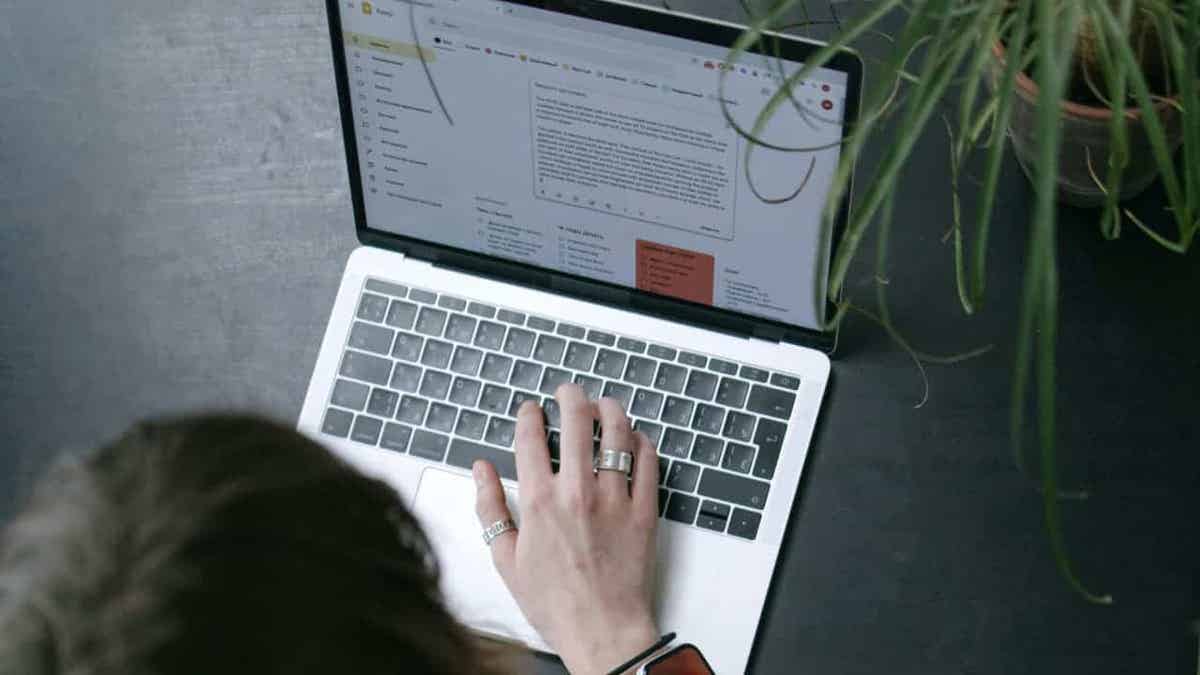
January is a prime time for fraud because people are dealing with taxes, benefits, and account updates.Scammers know these messages feel expected and familiar.(Kurt “CyberGuy” Knutsson)
Fake tax and benefits notices ramp up in January
Another favorite scam this time of year involves taxes and refunds.
You may see:
- Emails claiming you owe back taxes
- Messages sayingyou’re due a refund
- Notices asking you to “confirm” banking information.
These scams work because they arrive at exactly the moment people expect to hear from tax agencies or benefits programs.
Scammers don’t need much to sound convincing.A name, an email address, or an old address is often enough.If you get a tax-related message out of the blue, slow down.Real agencies don’t pressure you to act immediately.
Subscription “problems” that aren’t real
January is also whensubscription scamsexplode.Fake messages claim:
Scammers know most people have subscriptions, so they play the odds.Instead of clicking, open the app or website directly.If there’s a real problem, you’ll see it there.
Why these scams feel so personal
People often tell me,“But they used my name, how did they know?”Here’s the uncomfortable truth: They probably bought it.Data brokers compile massive profiles that include:
- Address histories
- Phone numbers and emails
- Family connections
- Shopping behavior.
That data is sold, shared, and leaked.Once scammers have it, they can tailor messages that feel real because they’re built on real information.
10 WAYS TO PROTECT SENIORS FROM EMAIL SCAMS

The more personal data scammers have, the more convincing their messages become.Removing your information from data broker sites can help reduce targeted scams over time.(Kurt “CyberGuy” Knutsson)
What you should do right now
Before January gets any busier, take these steps to reduce your exposure to scams and fraud.
1) Remove your personal data from broker sites
Deleting emails or blocking numbers helps, but it does not stop scams at the source.Scammers rely on data broker sites that quietly collect, update, and sell your personal information.Removing your data from those sites reduces scam calls,phishing emails, and targeted texts over time.It also makes it harder for criminals to personalize messages using your real name, address, or family connections.You have two ways to do this:
Do it yourself:
You can visit individual data broker websites, search for your profile, and submit opt-out requests.This method works, but it takes time.Each site has its own rules, identity verification steps, and response timelines.Many brokers also re-add data later, which means you have to repeat the process regularly.
Use a data removal service:
A data removal service automates the opt-out process by contacting hundreds of data brokers on your behalf and monitoring for re-listings.This option saves time and provides ongoing protection, especially if you want long-term results without constant follow-ups.
While no service can guarantee the complete removal of your data from the internet, a data removal service is really a smart choice.They aren’t cheap, and neither is your privacy.These services do all the work for you by actively monitoring and systematically erasing your personal information from hundreds of websites.It’s what gives me peace of mind and has proven to be the most effective way to erase your personal data from the internet.By limiting the information available, you reduce the risk of scammers cross-referencing data from breaches with information they might find on the dark web, making it harder for them to target you.
Check out my top picks fordata removal servicesand get a free scan to find out if your personal information is already out on the web by visitingCyberguy.com
Get afree scanto find out if your personal information is already out on the web:Cyberguy.com
2) Don’t click links in unexpected messages
If you did not initiate the request, do not click.Scam messages are designed to create urgency, especially around taxes, benefits, and account issues.Instead, go directly to the official website by typing the address yourself or using a saved bookmark.This single habit prevents most phishing attacks.
3) Turn on two-factor authentication wherever possible
Two-factor authentication(2FA) adds a critical second layer of protection.Even if someone gets your password, they still cannot access your account without the second verification code.Start with email, financial accounts, social media, and government services.
4) Check accounts only through official apps or websites
If you receive a warning about an account problem, do not trust the message itself.Open the official app or website and check there.If something is wrong, you will see it immediately.If not, you just avoided a scam.
5) Watch for account alerts and login activity
Enable login alerts and security notifications on important accounts.These alerts can warn you if someone tries to sign in from a new device or location.Early warnings give you time to act before real damage occurs.
6) Use strong, unique passwords and a password manager
Reusing passwords makes it easy for scammers to take over multiple accounts at once.If one service is compromised, attackers try the same login on email, banking, and social media accounts.A password manager helps you create and store strong, unique passwords for every account without needing to remember them.Check out the best expert-reviewed password managers of 2026 atCyberguy.com
onelink.me/xLDS?pid=AppArticleLink&af_web_dp=https%3A%2F%2Fwww.
Kurt’s key takeaways
January scams aren’t random.They’re targeted, timed, and fueled by personal data that shouldn’t be public in the first place.The longer your information stays online, the easier it is for scammers to use it against you.If you want a quieter inbox, fewer scam calls, and less risk this year, take action early, before criminals finish rebuilding their lists.Protect your data now, and you’ll be safer all year long.
Have you noticed more scam emails, texts, or calls since the new year started?Let us know by writing to us atCyberguy.com
Sign up for my FREE CyberGuy ReportGet my best tech tips, urgent security alerts, and exclusive deals delivered straight to your inbox.Plus, you’ll get instant access to my Ultimate Scam Survival Guide — free when you join myCYBERGUY.COMnewsletter.
Copyright 2026 CyberGuy.com. All rights reserved.
![[aggregator] downloaded image for imported item #17025](https://newsview.top/wp-content/uploads/2025/12/hacker-photo-1-1024x576.jpg "Pornhub hit by massive user data leak exposing 200 million records")
![[aggregator] downloaded image for imported item #17151](https://newsview.top/wp-content/uploads/2025/12/return-fraud-photo-1-1024x576.jpg "AI takes on return fraud as holiday returns surge")
![[aggregator] downloaded image for imported item #17439](https://newsview.top/wp-content/uploads/2025/12/data-breach-photo-1-1024x576.jpg "700Credit data breach exposes SSNs of 5.8M consumers")
![[aggregator] downloaded image for imported item #17534](https://newsview.top/wp-content/uploads/2025/12/laptop-chatgpt-photo-1-1024x576.jpg "OpenAI tightens AI rules for teens but concerns remain")