
![[aggregator] downloaded image for imported item #17727](https://newsview.top/wp-content/uploads/2025/12/older-woman-exercising-checking-heart-rate-1024x576.jpg "Hidden heart changes may be triggered by exercise, new research reveals")
This post was originally published on this site.
Regular exercise may do more thanstrengthen the heart.It could also reprogram the nerves that control how the heart beats, new research has found.
The discovery could eventually help doctors better treat common conditions such as irregular heart rhythms, chest pain, angina and stress-related “broken-heart” syndrome, according to scientists at the University of Bristol in the U.K.
The study, which looked at lab rats after 10 weeks of aerobic exercise, found that moderate exercise does not affect the heart’snerve control systemevenly.Instead, it produces distinct and opposing changes on the left and right sides of the body — a split that researchers say has gone largely unnoticed until now.
SIMPLE LIFESTYLE CHANGES COULD SLASH HEART ATTACK RISK FOR MILLIONS, SCIENTISTS REPORT
On the right side, the nerve hub that sends “go faster” signals to the heart developed many more nerve cells, suggesting increased wiring, the study found.
On the left side, however, the number of nerve cells did not rise as much.Instead, the existing cells grew significantly larger, indicating a different kind of adaptation.

Regular exercise may “rewire” the nerves that control the heart, the new study found.(iStock)
“The discovery points to a previously hidden left–right pattern in the body’s ‘autopilot’ system that helps run the heart,” Dr.Augusto Coppi, the study’s lead author and a senior lecturer in veterinary anatomy at the University of Bristol, said in a statement.
“This could help explain whysome treatmentswork better on one side than the other — and, in the future, help doctors target therapies more precisely and effectively.”
TEST YOURSELF WITH OUR LATEST LIFESTYLE QUIZ
The findings show that exercise reshapes the heart’s nerve control system in a side-specific way rather than affecting both sides equally, the researchers said.
Understanding that process could help doctors better target treatments, especially for patients who cannot exercise or whose symptoms persist despitelifestyle changes.
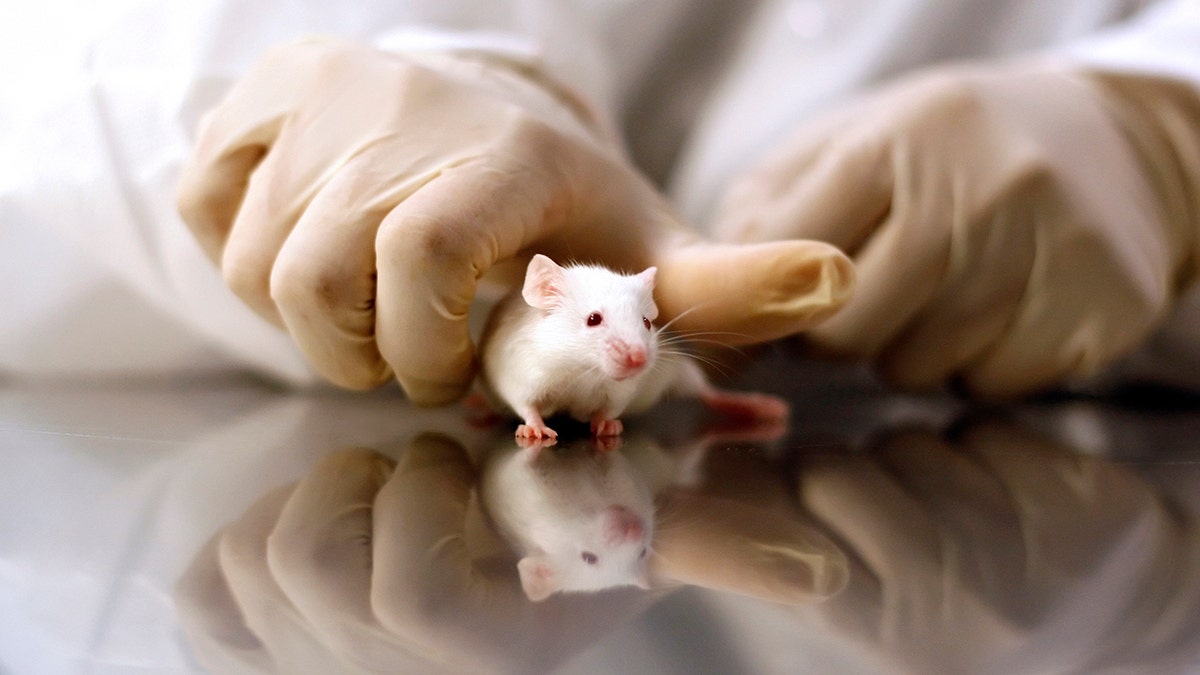
The scientists noted that more studies are needed to determine whether the same effects occur in humans.(iStock)
The findings are early-stage and based only on animal research, so they do not prove the same effects in people.
Read More → New study reveals leprosy existed in the Americas before European explorers arrived
onelink.me/xLDS?pid=AppArticleLink&af_web_dp=https%3A%2F%2Fwww.
The study was conducted in collaboration with researchers from University College London, the University of São Paulo and the Federal University of São Paulo in Brazil.

Researchers discovered distinct left-right changes in heart-control nerves after 10 weeks of aerobic exercise.(iStock)
The research was published in the journal Autonomic Neuroscience.
![[aggregator] downloaded image for imported item #2218](https://newsview.top/wp-content/uploads/2025/11/older-woman-cancer-patient-nutrition-1024x576.jpg "Why ‘starving cancer’ could be key to slowing disease growth, according to doctors")
![[aggregator] downloaded image for imported item #2212](https://newsview.top/wp-content/uploads/2025/11/cholesterol-arteries-1024x576.jpg "Daily pill slashes 'bad' cholesterol levels by 60% in yearlong trial")
![[aggregator] downloaded image for imported item #2206](https://newsview.top/wp-content/uploads/2025/11/woman-taking-saffron-supplement-1024x576.jpg "Fox News Health Newsletter: Common spice could boost happiness and sexual health")
![[aggregator] downloaded image for imported item #2199](https://newsview.top/wp-content/uploads/2025/11/man-hearing-loss-1024x576.jpg "Hearing loss could be reversed with popular erectile dysfunction drug")