
![[aggregator] downloaded image for imported item #26181](https://newsview.top/wp-content/uploads/2026/01/weight-lifting-study-more-effective-1024x576.jpg "Here's the age when strength and fitness begin fading, long-term data shows")
This post was originally published on this site.
Physical decline does not wait forold age.
A new study tracked the same people for nearly half a century, finding that measurable drops in fitness and strength begin at around age 35 and continue gradually through midlife.
The study is based on the Swedish “Physical Activity and Fitness” cohort, which began in 1971 with participants born in 1958.Researchers enrolled 427 people, a mix of men and women, and tested the same individuals repeatedly over a 47-year span, according to a press release.
DIABETES PREVENTION LINKED TO SPECIFIC TYPE OF EXERCISE, STUDY SHOWS
Models were used to estimate age- and sex-specific changes in the original cohort during thestudy period.
The follow-up examinations took place at several points across adulthood, allowing the Karolinska Institutet researchers to observe changes within individuals rather than relying on comparisons between different age groups, the release stated.
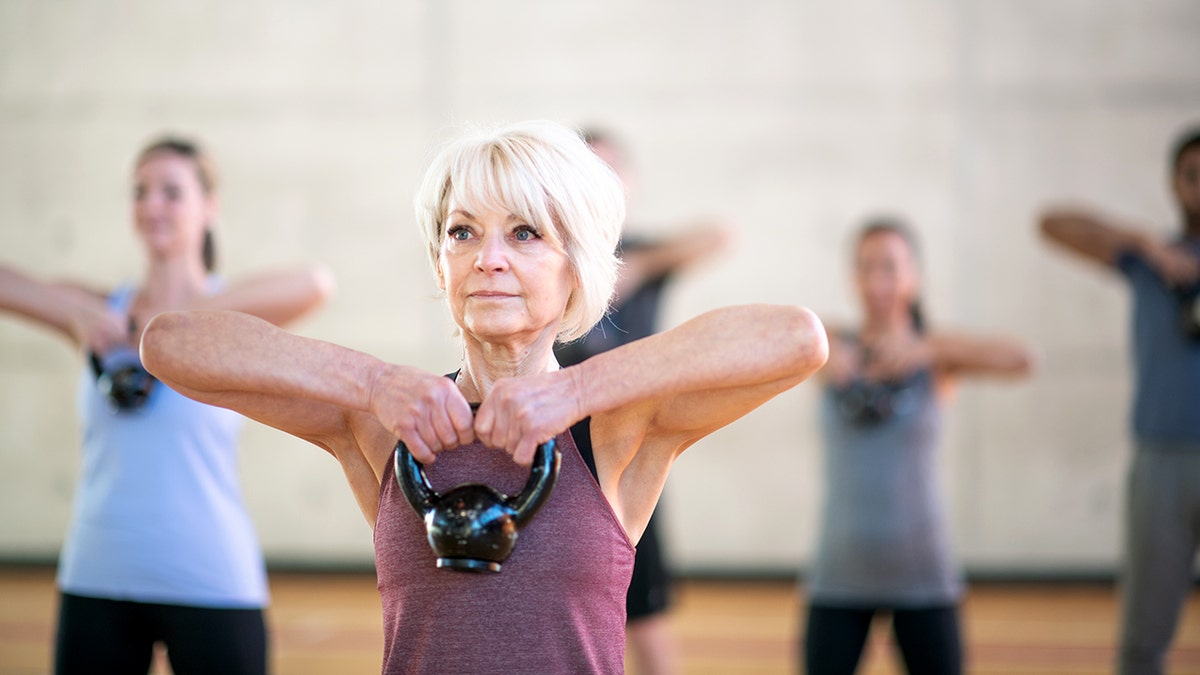
Researchers followed the same individuals for nearly 50 years, allowing them to track real changes within people as they aged.(iStock)
At each examination, participants underwent standardizedphysical testingconducted by trained professionals.Aerobic fitness was measured using tests that assessed peak oxygen uptake, a common indicator of cardiovascular capacity.
Muscle strength and muscular endurance were evaluated through controlled performance tests, including grip strength and repetitive movement tasks.Height, weight and other basic physical measures were also recorded, and participants provided information about theirphysical activity habits.
EVERYDAY CLUES THAT YOUR IMMUNE SYSTEM IS AGING — AND HOW TO FIGHT BACK
By using the same tests over time, the researchers were able to track long-term trends in physical performance.
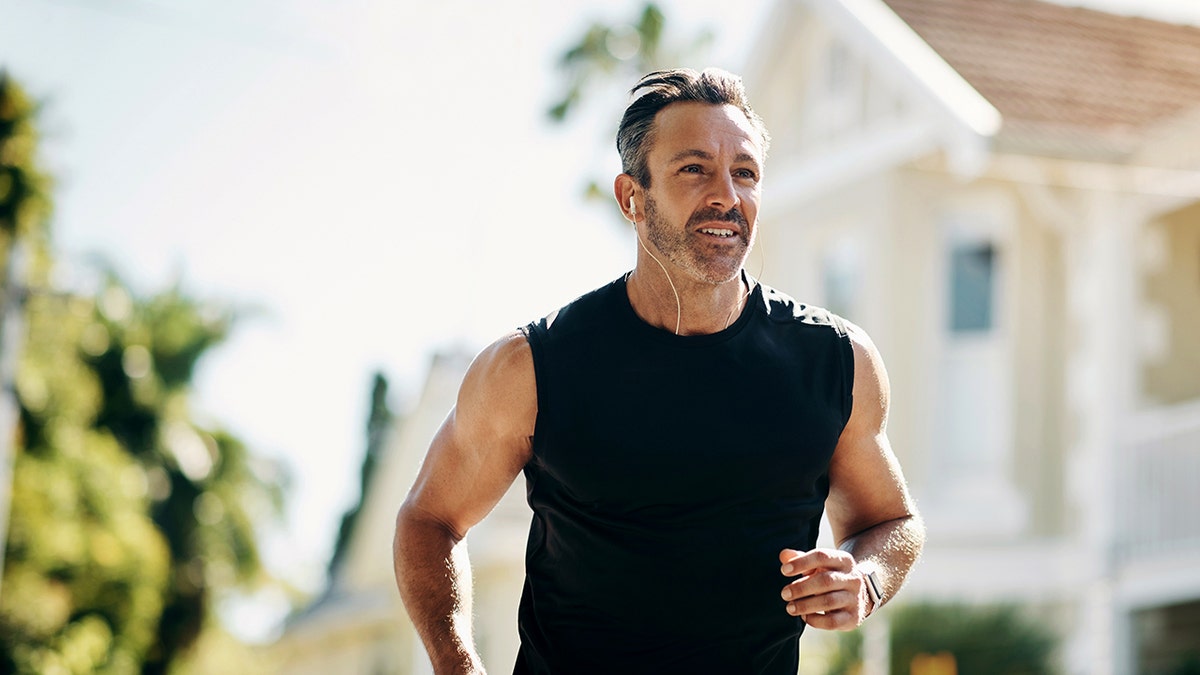
Physical performance peaked in early adulthood and then declined gradually across multiple measures, including aerobic fitness and muscle strength.(iStock)
The results showed that physical performance peaks in early adulthood and begins to decline around the mid-30s.
This decline was observed across multiple measures, includingaerobic fitnessand muscle strength, and continued steadily into later adulthood, the researchers shared.
onelink.me/xLDS?pid=AppArticleLink&af_web_dp=https%3A%2F%2Fwww.
While individuals who were physically active tended to retain higher overall fitness levels, activity did not completely prevent age-related decline.
activity levelslater in life improved their physical capacity by roughly 5% to 10%, demonstrating that the body remains responsive to exercise beyond peak years.
Study limitations
The study, which was published in the Journal of Cachexia, Sarcopenia and Muscle, consisted of individuals who were born in the same year and were living in Sweden.
This may limit how the findings apply to other populations with different social, environmental orgenetic backgrounds, the researchers acknowledged.

The data showed that participants who increased their activity levels later in life improved their physical capacity by roughly 5% to 10%.(iStock)
As with any long-term study, some participants dropped out over time, which could affect how well the sample reflects the original population.
Also, physical performance was measured at specific intervals, so short-term fluctuations between testing periods were not captured.
health conditionsmay also have influenced results, the researchers stated.
TEST YOURSELF WITH OUR LATEST LIFESTYLE QUIZ
The team plans to continue following the cohort as the participants grow older, with the goal of linking changes in physical capacity to health outcomes later in life.
![[aggregator] downloaded image for imported item #22232](https://newsview.top/wp-content/uploads/2026/01/wrigleys-chewing-gum-delivery-cart-1024x576.jpg "Study reveals why chewing gum might actually help with focus and stress relief")
![[aggregator] downloaded image for imported item #22404](https://newsview.top/wp-content/uploads/2026/01/man-struggles-sleeping-1024x576.jpg "Missing sleep may take a hidden toll on your brain and longevity, research reveals")