
![[aggregator] downloaded image for imported item #42485](https://newsview.top/wp-content/uploads/2026/02/man-shovelinh-heavy-snow-1024x576.jpg "Heavy snow is recipe for serious heart attack risk, experts say: What to know")
This post was originally published on this site.
In addition to travel and logistical challenges,heavy snowfall can be detrimental to people’s health.
As the northeast faces historic snow accumulation this week, experts are warning of the physical risks of shoveling heavy snow, particularly for those who do not exercise regularly or have pre-existing health conditions.
“The combination of the wet, heavy snow and the heavy winds make it more of ahealth riskbecause it’s much harder to get around,�
“In the aftermath of the storm, as the temperatures drop, the heavy, wet snow forms ice, which makes walking and driving treacherous.”
Heavy, wet snow can get inside clothes and cause “more of a chill,” potentially leading to hypothermia in severe cases, according to Siegel.
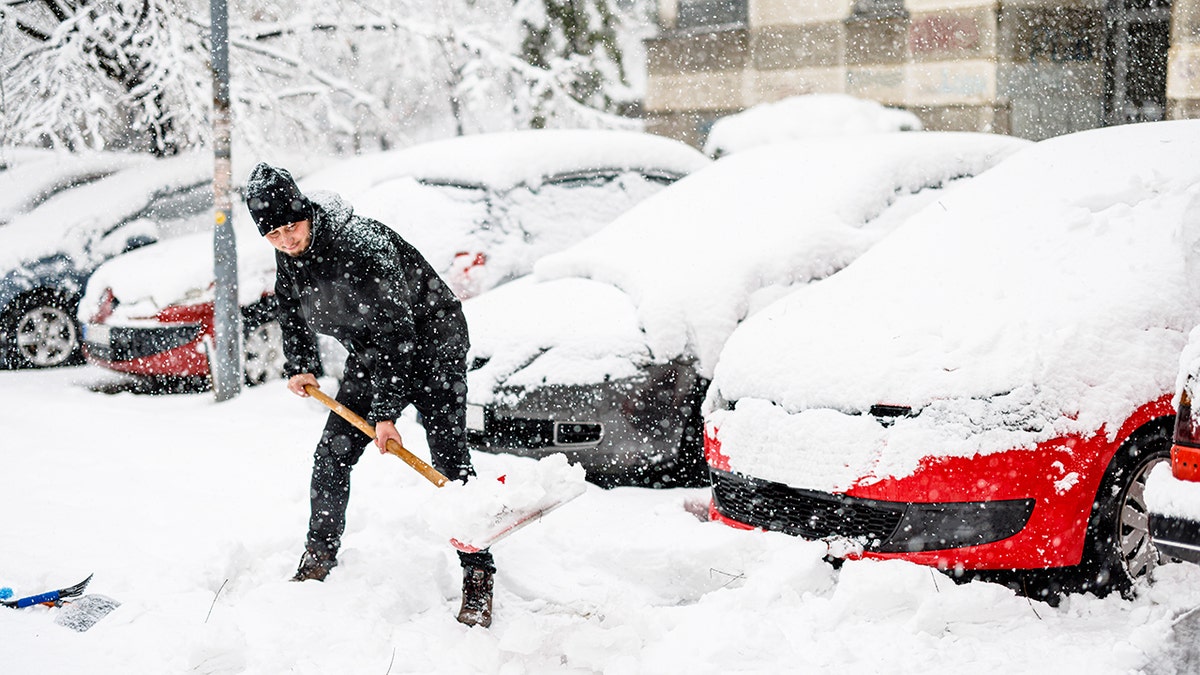
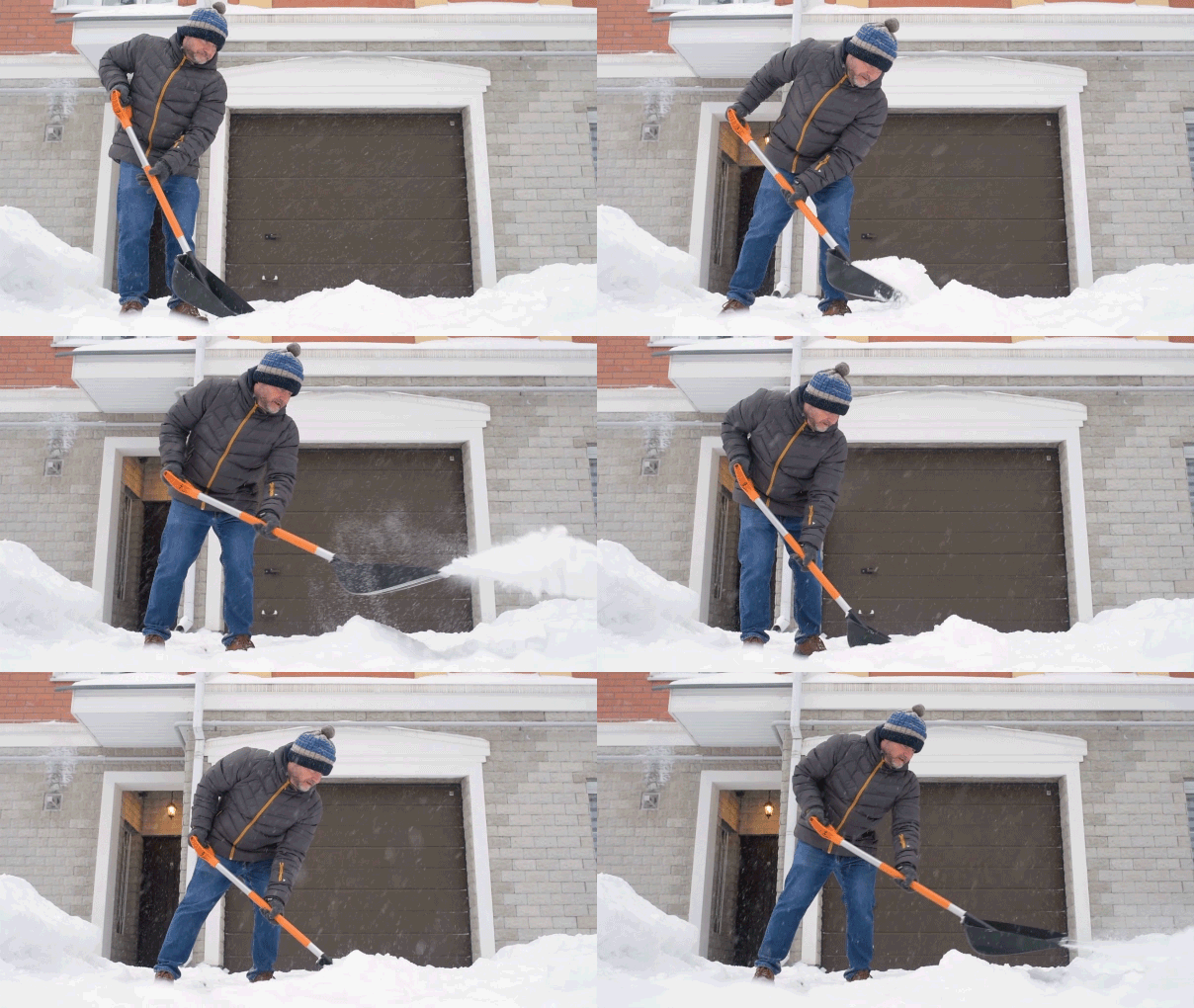
People who are not usually physically active are at a greater risk of heart attack while shoveling snow.(iStock)
In a Monday appearance on �Friends,” the doctor stressed the importance of being properly dressed in these conditions.
“I saw this morning people who weren’t covered properly … weren’t wearing gloves, didn’t have the full hat, or the kind of overcoat they needed,” he said.
“The combination of the wet, heavy snow and the heavy winds make it more of a health risk.”
“They also weren’t looking out for each other.You need to look out for each other.With this kind of wind, you get really easily discombobulated.”
Siegel urged people to stay indoors unless it’s absolutely necessary to leave their home.
“Watch out if you are outside for brief periods — for fallen power lines or for trees that are down.That’s very, very dangerous as well,” he cautioned.“That’s where a lot of the injuries come from.”
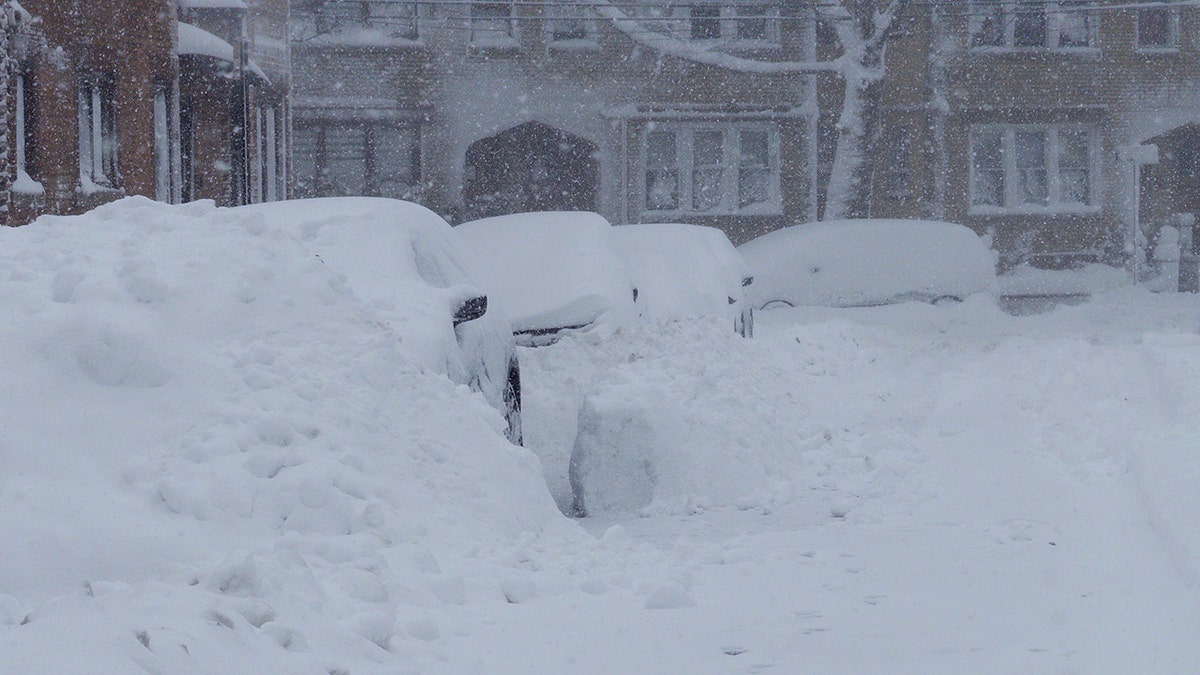
Snow covering several cars on the street in New York City on Feb.23, 2026.
There’s also an increased risk of falling, as well as electrocution from power lines being weighed down by heavy snow.Going without power poses its ownhealth risks, Siegel mentioned.
Dr.Joshua Latzman, cardiologist at White Plains Hospital Physician Associates in White Plains, New York, shared with the American Heart Association (AMA) that research has shown heavy snow shoveling can put “significant stress on the heart.”
strenuous activity.”
onelink.me/xLDS?pid=AppArticleLink&af_web_dp=https%3A%2F%2Fwww.
Shoveling in the wind can also increase the risk of a health event, since exposure to colder air can raise blood pressure and constrict the coronary arteries, according to the AMA.
“Many heart-related events occur in people who are usually inactive,” Latzman went on.“When someone who is sedentary suddenly takes on heavy shovelingafter a storm, that unexpected strain can unfortunately lead to a serious emergency.”
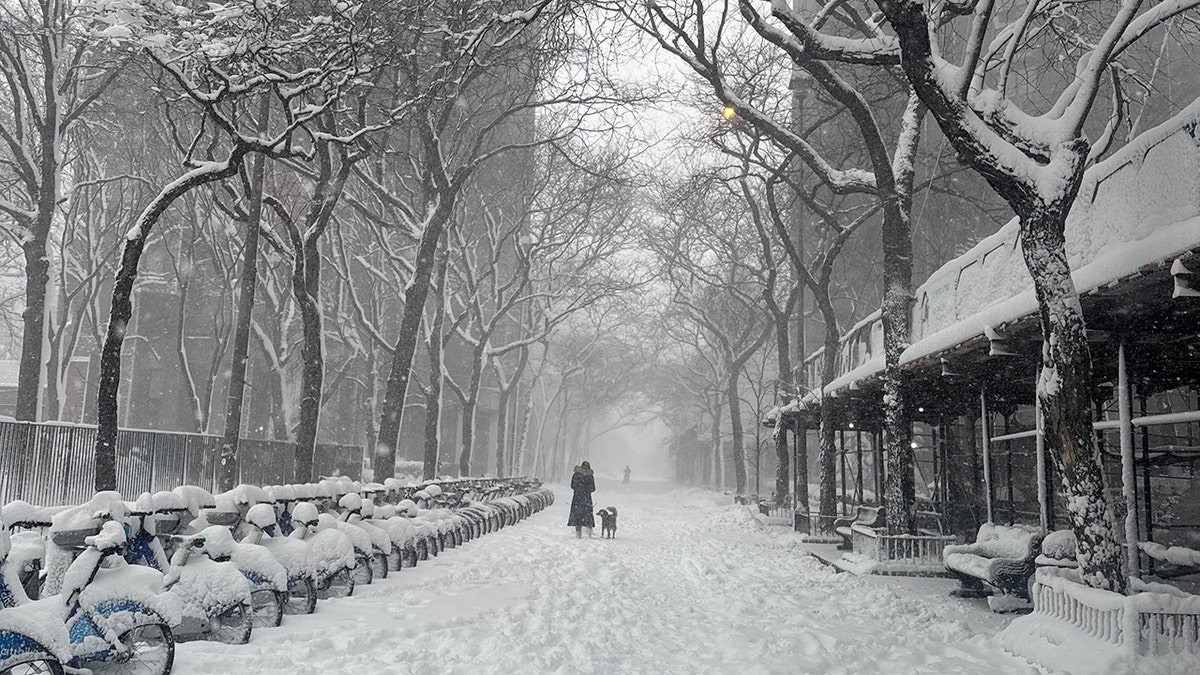
A woman walks her dog on a closed street in the Upper East Side of Manhattan during a record-breaking snowstorm on Feb.23, 2026.(Lauren Abbondondolo)
Straining to lift something heavy can have the same effect if normal breathing is impacted.
Other at-risk groups include people who are obese, those who smoke or have smoked in the past, people with diabetes, and those with high cholesterol or high blood pressure.Anyone who has previously had aheart attack or strokeis also at greater risk, the AMA reported.
bypass surgeryor coronary angioplasty, should not be shoveling snow,” Latzman concluded.
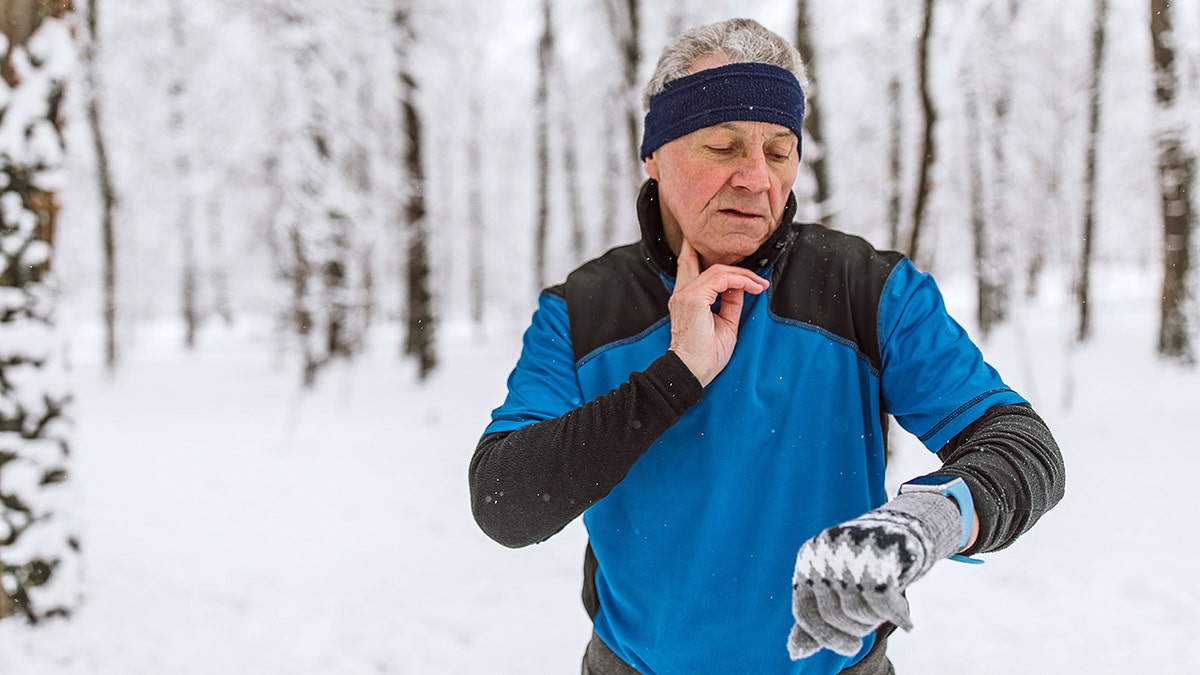
Exposure to cold temperatures can spike blood pressure, experts warn.(iStock)
Siegel urged those who may be at risk to avoid going out with their shovels and “being a hero.”
“It’s about the most cardiac expenditure of energy that you can have,” he said.“So if you’ve been sedentary, don’t go and shovel.Get a younger person or somebody who’s in much better shape to do it.”
TEST YOURSELF WITH OUR LATEST LIFESTYLE QUIZ
If shoveling is unavoidable, experts advise doing it gradually and at a comfortable pace.The AMA also suggests covering your mouth and nose and dressing in layers, including a hat and gloves.
Pushing or sweeping the snow is safer than lifting and throwing, as it requires less energy.
![[aggregator] downloaded image for imported item #22232](https://newsview.top/wp-content/uploads/2026/01/wrigleys-chewing-gum-delivery-cart-1024x576.jpg "Study reveals why chewing gum might actually help with focus and stress relief")
![[aggregator] downloaded image for imported item #22404](https://newsview.top/wp-content/uploads/2026/01/man-struggles-sleeping-1024x576.jpg "Missing sleep may take a hidden toll on your brain and longevity, research reveals")