
![[aggregator] downloaded image for imported item #24602](https://newsview.top/wp-content/uploads/2026/01/mother-feeding-baby-peanuts-1024x576.jpg "Early peanut exposure in babies tied to sharp drop in food allergy diagnoses")
This post was originally published on this site.
Historically, parents were advised to avoidfeeding peanutsto babies for the first few years of life, but emerging research has confirmed that introducing them sooner — as early as infancy — could help stave off food allergies.
A 2025 study led by the Children’s Hospital of Philadelphia analyzed medical records from dozens of pediatric practices across the U.S., finding that early introduction of peanuts resulted in a 27% decrease inpeanut allergy diagnosesamong children and a 38% decrease in overall food allergies.
The latest research also found that eggs had surpassed peanuts as the most common food allergen in the children studied.Beyond peanuts, other common food allergens include milk, egg and wheat.
POPULAR DAILY SNACK FOUND TO BOOST BRAIN BLOOD FLOW IN OLDER ADULTS, NEW STUDY SHOWS
The new research — published in Pediatrics, the journal of the American Academy of Pediatrics, in October 2025 — focused on a two-year period after new guidance was issued by the National Institute of Allergy and Infectious Diseases, which firstadvised parentsto introduce peanuts earlier.

Emerging research has confirmed that introducing peanuts as early as infancy could help stave off food allergies.(iStock)
That updated guidance was based on a landmark 2015 study — the Learning Early About Peanut Allergy (LEAP) trial — which found that for infants who had severe eczema or an egg allergy, exposing them to peanuts when they were between 4 and 11 months old could reduce peanut allergy risk by 81%.
EATING BLUEBERRIES EARLIER IN LIFE COULD EASE ALLERGIES, STRENGTHEN IMMUNITY, NEW STUDY FINDS
The guidelines were updated again in 2021, encouraging the introduction of peanut, egg and other major food allergens as early as 4 to 6 monthsfor all children— including those without a history of prior reaction, according to health experts.
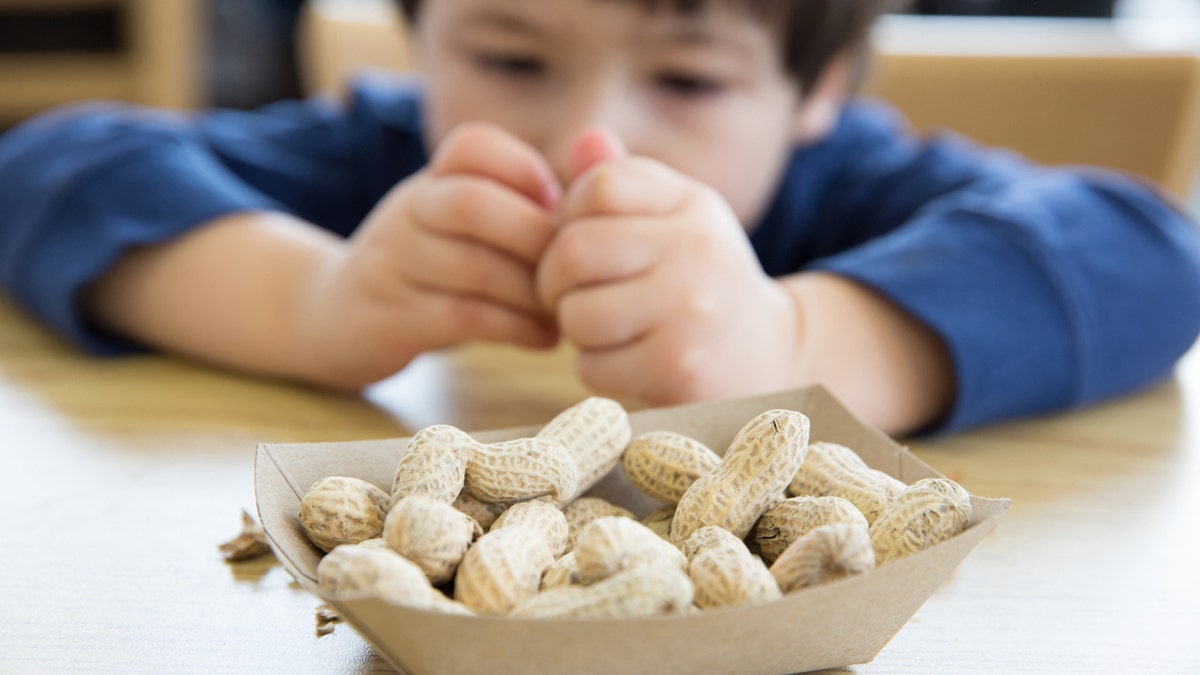
A 2025 study led by the Children’s Hospital of Philadelphia found that early introduction of peanuts resulted in a 27% decrease in peanut allergy diagnoses among children and a 38% decrease in overall food allergies.(iStock)
“We now have data that suggest the effect of this landmarkpublic healthintervention is occurring.”
The latest findings “are supportive of efforts to increase education and advocacy related to early food introduction practices,” the study authors wrote.
onelink.me/xLDS?pid=AppArticleLink&af_web_dp=https%3A%2F%2Fwww.
“If confirmed, these findings would represent a meaningful public health advance — affirming that clinical research, when coupled with clear guidelines and committed dissemination, can indeed shift the trajectory of childhood food allergy.”
Study limitations
The study only included data through early 2019 and did not consider the guidance released in 2021, which recommended early introduction of multiple allergens regardless of risk, the researchers acknowledged.
It also relied on allergy diagnoses from electronichealth records, which may miss some cases.Also, the researchers did not capture individual feeding patterns.
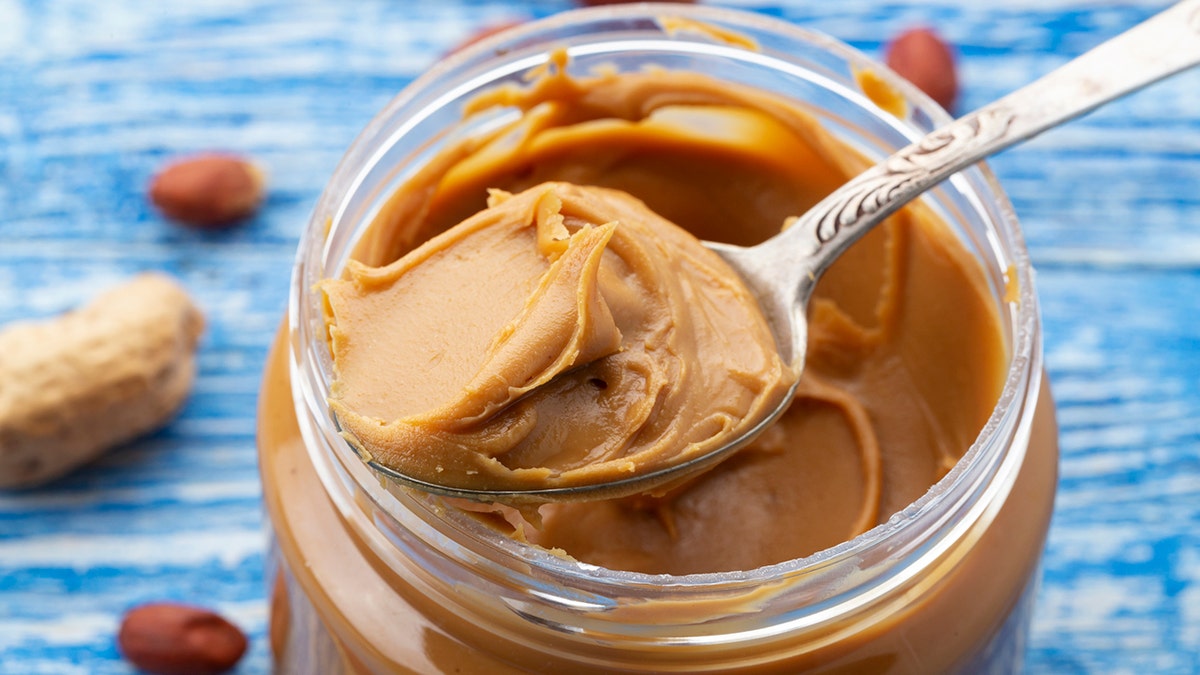
Parents are encouraged to discuss any concerns with their pediatrician before introducing potential food allergens.(iStock)
Because the study was observational, it cannot prove cause and effect, but only association, the researchers noted.Other factors may influence the outcome.
TEST YOURSELF WITH OUR LATEST LIFESTYLE QUIZ
“Not everyone has followed those guidelines, but this isfurther evidencethat this early introduction is effective at preventing food allergies,” Dr.Susan Schuval, chief of the Division of Pediatric Allergy and Immunology at Stony Brook Children�
Parents are encouraged to discuss any concerns with their pediatrician before introducing potential food allergens.
Amy McGorry contributed reporting.
![[aggregator] downloaded image for imported item #22232](https://newsview.top/wp-content/uploads/2026/01/wrigleys-chewing-gum-delivery-cart-1024x576.jpg "Study reveals why chewing gum might actually help with focus and stress relief")
![[aggregator] downloaded image for imported item #22404](https://newsview.top/wp-content/uploads/2026/01/man-struggles-sleeping-1024x576.jpg "Missing sleep may take a hidden toll on your brain and longevity, research reveals")