
![[aggregator] downloaded image for imported item #31424](https://newsview.top/wp-content/uploads/2026/01/brain-shrinkage-men-vs-women-1024x576.jpg "Common respiratory bacteria detected in eyes of Alzheimer’s patients")
This post was originally published on this site.
A bacterium prevalent in sinus infections and pneumonia may aggravate Alzheimer’s disease, according to a recent study published in Nature Communications.
The bacterium, Chlamydia pneumoniae, was found in the eyes of deceased patients with Alzheimer’s disease, according to researchers from Cedars-Sinai’s Health Sciences University in California.
“The retina is directly connected with the brain.It’s a developmental extension of the brain,�
COMMON HOUSEHOLD PLANT COULD HOLD KEY TO FIGHTING ALZHEIMER’S DISEASE
Eye-brain link
The study showed that Chlamydia pneumoniae could reach the retinal tissue that lines the back of the eyeand linger for several years, creating an inflammatory response potentially linked to the death of nerve cells.This could contribute to cognitive decline and could worsen Alzheimer’s disease symptoms.

A bacterium prevalent in sinus infections and pneumonia may aggravate Alzheimer’s disease, according to a recent study published in Nature Communications.(iStock)
The findings point to potential therapies for Alzheimer’s disease that would target inflammation and provide antibiotic treatmentin the early stages of infection, according to Koronyo-Hamaoui.
“One hope of this study is that when people do present with some [symptoms of] pneumonia or atypical pneumonia or some respiratory infection, doctors should consider testing specifically for Chlamydia pneumoniae, and then give them the specific antibiotic,” the researcher said.
BRAIN TRAINING SESSIONS FOUND TO REDUCE DEMENTIA RISK IN DECADES-LONG STUDY
The infection can be identified through laboratory testing, including PCR (polymerase chain reaction), blood tests, or cultures that allow live organisms to grow for analysis.
Inside the study
The researchers examined retinal tissue samples from over 100 deceased individuals who fell into three groups: those who had Alzheimer’s disease, those who had some cognitive deficit or those who did not have the disease.
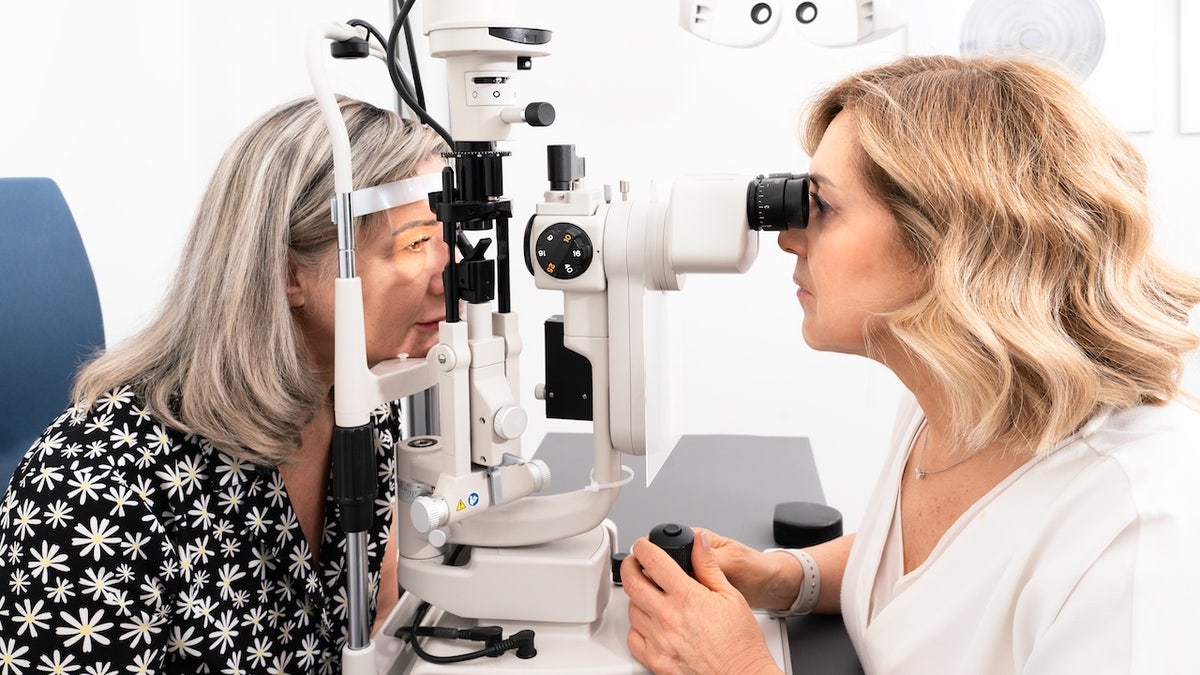
“The retina is directly connected with the brain.It’s a developmental extension of the brain,” the lead researcher said.(iStock)
They analyzed proteins, conducted genetic testingand used advanced imaging techniques on the samples.Those with Alzheimer’s disease had higher levels of the bacterium in their brains and retinal tissue compared to those who had normal cognition, the release stated.
Genetic risk
Higher levels of chlamydia pneumonia were found in those who carried the gene variant APOE4, which is an associated risk factor for Alzheimer’s disease, Koronyo-Hamaoui added.The bacterium was also associated with more severe cognition decline.
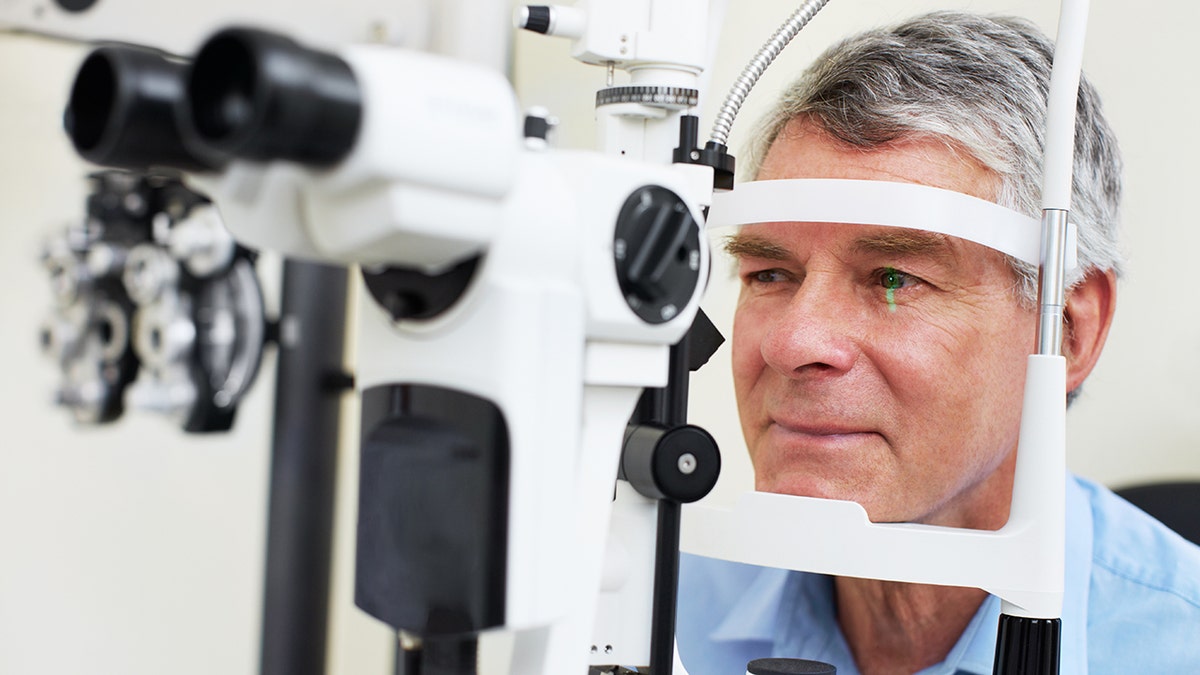
Those with Alzheimer’s disease had higher levels of the bacterium in their brains and retinal tissue compared to those who had normal cognition.(iStock)
The Cedars-Sinai team also looked at human neuronsand lab mice with Alzheimer’s disease, finding that Chlamydia pneumoniae was linked to increased inflammation, nerve cell death and cognitive decline, further suggesting that it may play a role in accelerating the disease.
Glatt, who is also a spokesperson for the Infectious Diseases Society of America, emphasized that the findings only show an association and not causation, and that much more clinical researchis needed.
“It does not mean infections cause Alzheimer’s or that people should worry about past respiratory illnesses.”
“Chlamydia pneumoniae is a very common respiratory pathogen that many people are exposed to throughout their lives,�“While the study identifies a link between this bacterium and neurodegeneration, a standard sinus infectiondoes not mean a patient will develop Alzheimer’s.”
The key takeaway, according to Glatt, is that the study opens new doors for potential diagnostics and treatments, but is “not a reason for immediate alarm regarding common infections.”
TEST YOURSELF WITH OUR LATEST LIFESTYLE QUIZ
Dr.Sharon Fekrat, MD, a clinical spokesperson for the American Academy of Ophthalmology and a retina specialist at the Duke University School of Medicine in North Carolina, agreed that the findings could help researchers better understand how inflammation may drive disease progression and “could lead to new ways to detect or treat Alzheimer’sin the future.”

The infection also prompted production of amyloid-beta, which is a protein known to accumulate in the brains of those with Alzheimer’s.(iStock)
“This is early research suggesting that infection-related inflammation may worsen Alzheimer’s disease in people who are already vulnerable,�“It does not mean infections cause Alzheimer’s or that people should worry about past respiratory illnesses.”
What’s next
While some teams are developing and testing retinal imaging tools in living patients, those methods are not yet part of routine clinical screenings or diagnosis, Fekrat noted.
cardiovascular risk factors, staying mentally and socially engaged, and seeking medical care for any cognitive symptoms, the expert added.
![[aggregator] downloaded image for imported item #22232](https://newsview.top/wp-content/uploads/2026/01/wrigleys-chewing-gum-delivery-cart-1024x576.jpg "Study reveals why chewing gum might actually help with focus and stress relief")
![[aggregator] downloaded image for imported item #22404](https://newsview.top/wp-content/uploads/2026/01/man-struggles-sleeping-1024x576.jpg "Missing sleep may take a hidden toll on your brain and longevity, research reveals")