
![[aggregator] downloaded image for imported item #2665](https://newsview.top/wp-content/uploads/2025/11/israel-jerusalem-assyrian-script-found-artifact-archaeology-history-3-1024x576.jpg "Archaeologists unearth evidence of biblical power struggle beneath Jerusalem: 'Screamed with excitement'")
This post was originally published on this site.
A group of excavators recently uncovered the first-everAssyrian inscriptionfound in Jerusalem — shedding light on ancient power struggles described in the Bible.
The inscription, which was carved on a small pottery fragment, was uncovered at the Tzurim Valley National Park in East Jerusalem.The find was announced by the Israel Antiquities Authority (IAA) on Oct.22, in conjunction with the City of David Foundation.
Though the fragment was unearthed in the Tzurim Valley, it was originally part of rubble near the Western Wall, beside the Temple Mount.
ANCIENT ESTATE TIED TO GROUP IN THE BIBLE UNEARTHED WITH ‘FASCINATING’ TREASURES IN ISRAEL
The inscription belonged to the Assyrian civilization, the dominant empire in theMiddle Eastduring the time of biblical kings.
The Assyrians ruled much of the Near East from the 9th to the 7th centuries B.C., before Nineveh, their capital, fell.The inscription was written in Akkadian and dates back 2,700 years, according to officials.
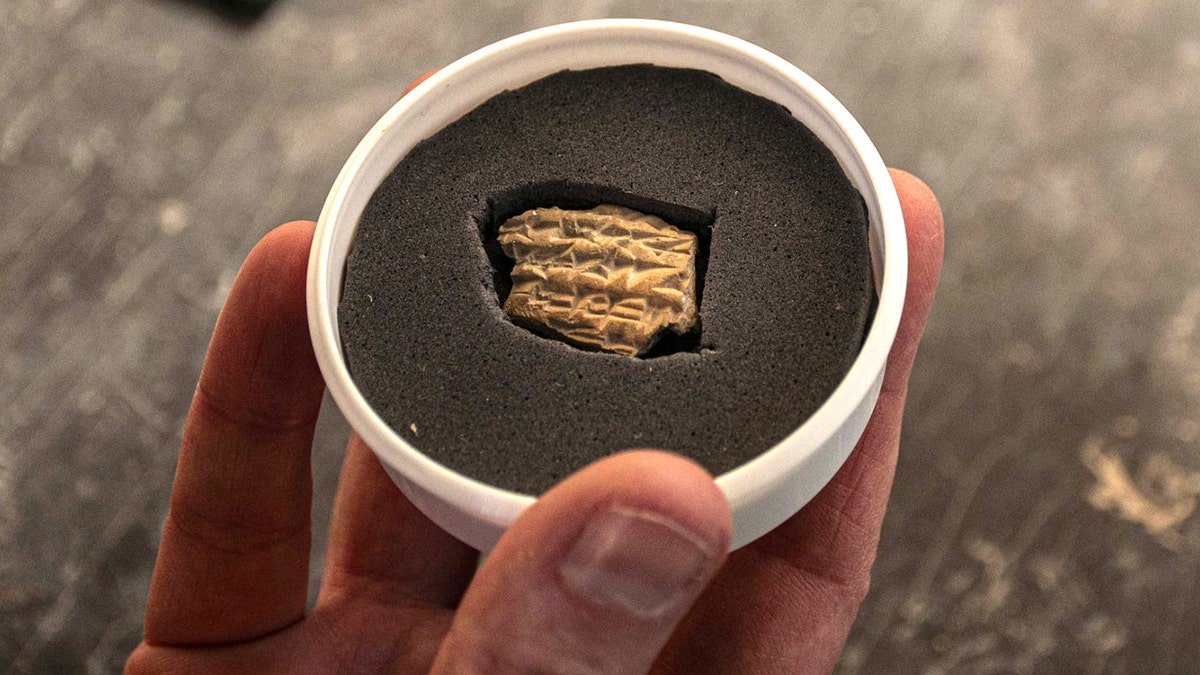
The Israel Antiquities Authority announced the first Assyrian inscription ever found in Jerusalem carved on a pottery shard.(Yoli Schwartz, Israel Antiquities Authority)
“The inscription providesrare evidenceof correspondence between the court of the King of Assyria and the King of Judah,” the IAA said, calling the fragment “tiny, extremely rare and historic.”
Archaeologist Moria Cohen, who spotted the artifact, told the IAA she was sifting soil when she suddenly noticed “a potsherd with a strange pattern.”
fascinating findshave been uncovered here, we’ve never found anything like this,” said Cohen.
“I checked again, and when I realized it wasn’t decoration but actual cuneiform writing — I screamed with excitement …[The] thought that after 2,700 years I’m the first person to touch this fragment — it’s incredibly moving.It’s truly a once-in-a-lifetime find.”
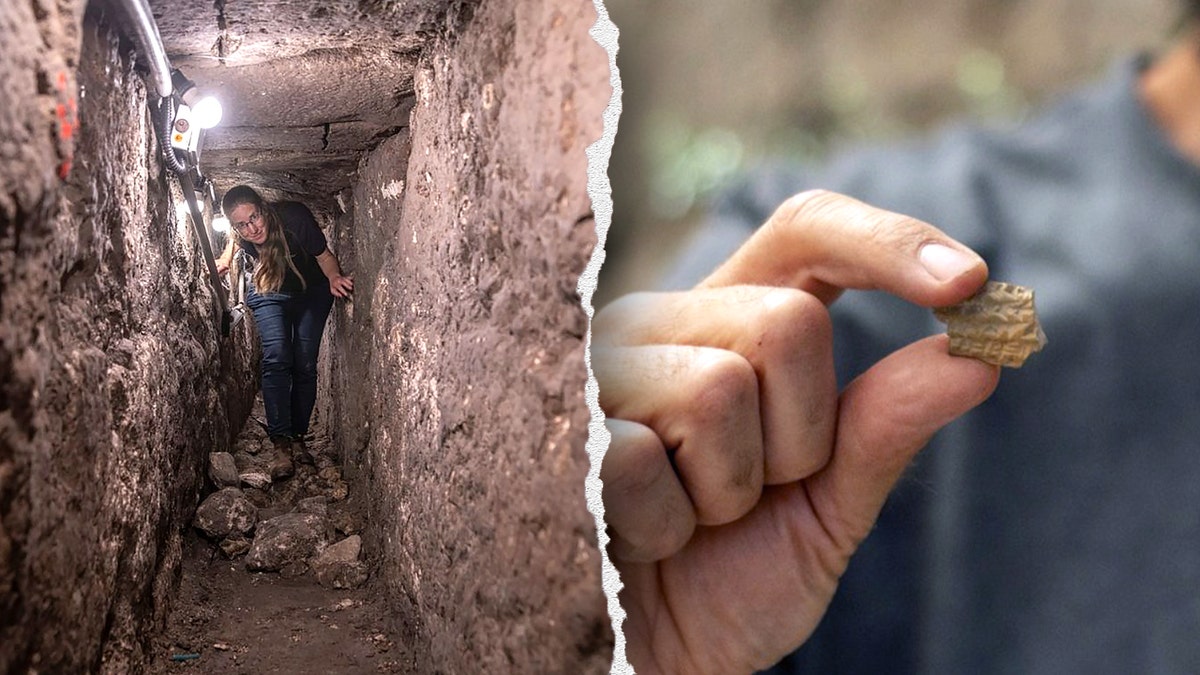
The excavation work near the Western Wall included sifting soil recovered from ancient underground drainage channels beneath Jerusalem’s Old City, seen at left.(Shai Halevi, Israel Antiquities Authority;Yoli Schwartz, Israel Antiquities Authority)
The pottery piece, just about 2.5 centimeters long, records an exchange between ancient rulers.
Historians believe it was part of a royal bulla, or seal impression, used to convey a message about a tax payment or other obligation.
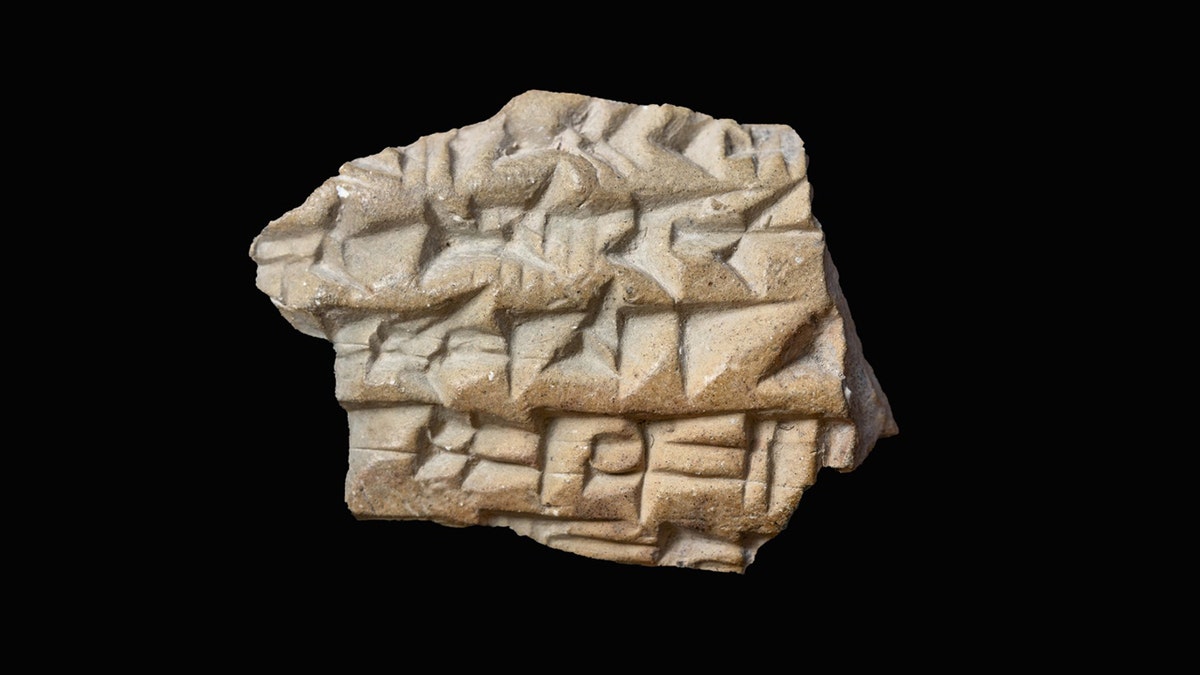
“The discovery strengthens our understanding of the depth of Assyrian presence in Jerusalem and the extent of its influence on the city’s administration,” said the excavation director.(Eliyahu Yanai, City of David)
“Although the fragment does not include the name of the King of Judah to whom the message was addressed, its chronological context and partial text suggest it was sent to the court of one of the Judean kings — Hezekiah, Manasseh or Josiah early in his reign — when Judah was a vassal kingdom under Assyria,” the IAA noted.
“While we cannot determine whether the delay was technical or politically motivated, the very existence of such an official message may indicate a point of tension between Judah and the imperial administration,” the release added.
TEST YOURSELF WITH OUR LATEST LIFESTYLE QUIZ
Excavation director Ayala Silberstein said the inscription “provides direct evidence of official correspondence between the Assyrian Empire and the Kingdom of Judah.
“The discovery strengthens our understanding of the depth of Assyrian presencein Jerusalemand the extent of its influence on the city’s administration,” Silberstein added.
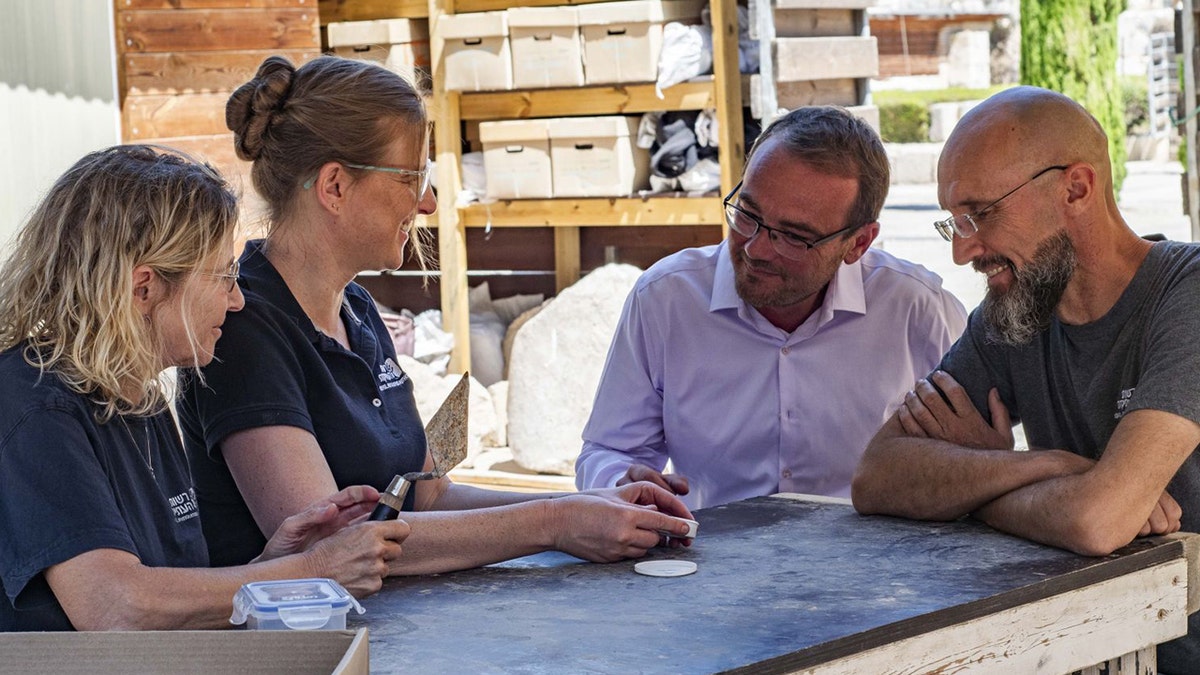
The Israel Antiquities Authority called the discovery “tiny, extremely rare and historic,” citing its enormous significance.(Yoli Schwartz, Israel Antiquities Authority)
“It also expands our knowledge of the status of the new neighborhood that developed at that time on the slopes west of the Temple.It appears this area served as a center for high-ranking officials and ministers.”
In sum, Israeli officials said the fragment “holds enormous significance.”
onelink.me/xLDS?pid=AppArticleLink&af_web_dp=https%3A%2F%2Fwww.
“It opens a window into the diplomatic and administrative relations between Judah and Assyria — providing the first-ever evidence of official communication between Jerusalem and the most powerful empire of its time,” officials added.
![[aggregator] downloaded image for imported item #2678](https://newsview.top/wp-content/uploads/2025/11/turkey-urfa-castle-christian-mosaic-byzantine-bible-abraham-archaeology-history-1-1024x576.jpg "Ancient Christian mosaic with mysterious inscription unearthed at traditional birthplace of Abraham")
![[aggregator] downloaded image for imported item #2522](https://newsview.top/wp-content/uploads/2025/11/trump-administration-visa-fee-1024x576.jpg "Overweight foreigners seeking visas may be rejected to save healthcare costs, taxpayer expense")
![[aggregator] downloaded image for imported item #2657](https://newsview.top/wp-content/uploads/2025/11/armageddon-archaeology-discover-tel-megiddo-israel-1024x576.jpg "Archaeologists reveal unusual ritual objects from ancient biblical cult at Armageddon site")
![[aggregator] downloaded image for imported item #2648](https://newsview.top/wp-content/uploads/2025/11/exotic-animals-smuggled-israel-1024x576.jpg "Man smuggles nearly 200 exotic animals stuffed in his luggage: See the wild photos")