
![[aggregator] downloaded image for imported item #25597](https://newsview.top/wp-content/uploads/2026/01/egypt-ancient-monastery-found-in-sohag-ancient-byzantine-history-archaeology-discovery-1-1024x576.jpg "Ancient Christian monastery complex reveals lives of Byzantine monks before Arab conquest")
This post was originally published on this site.
Anancient Christian monastic complexwas recently uncovered in Egypt — shedding new light on monastic life in Upper Egypt during the Byzantine era.
The Egyptian Ministry of Tourism and Antiquities announced the find Jan.6.
In a statement translated from Arabic to English, the ministry said the complex was found at the Al-Qarya archaeological site, in the village of Al-Duwair in the Sohag Governorate.
2,000-YEAR-OLD ROMAN HALL PLUS CHRISTIAN SYMBOLS UNEARTHED IN BIBLICAL CITY FROM BOOK OF REVELATION
At the site, archaeologists found the remains of “a fully integrated residential complex for monks dating back to the Byzantine period,” the statement said.
“The discovery was made during ongoing excavation work at the site and includes the remains of buildings constructed of mudbrick.”
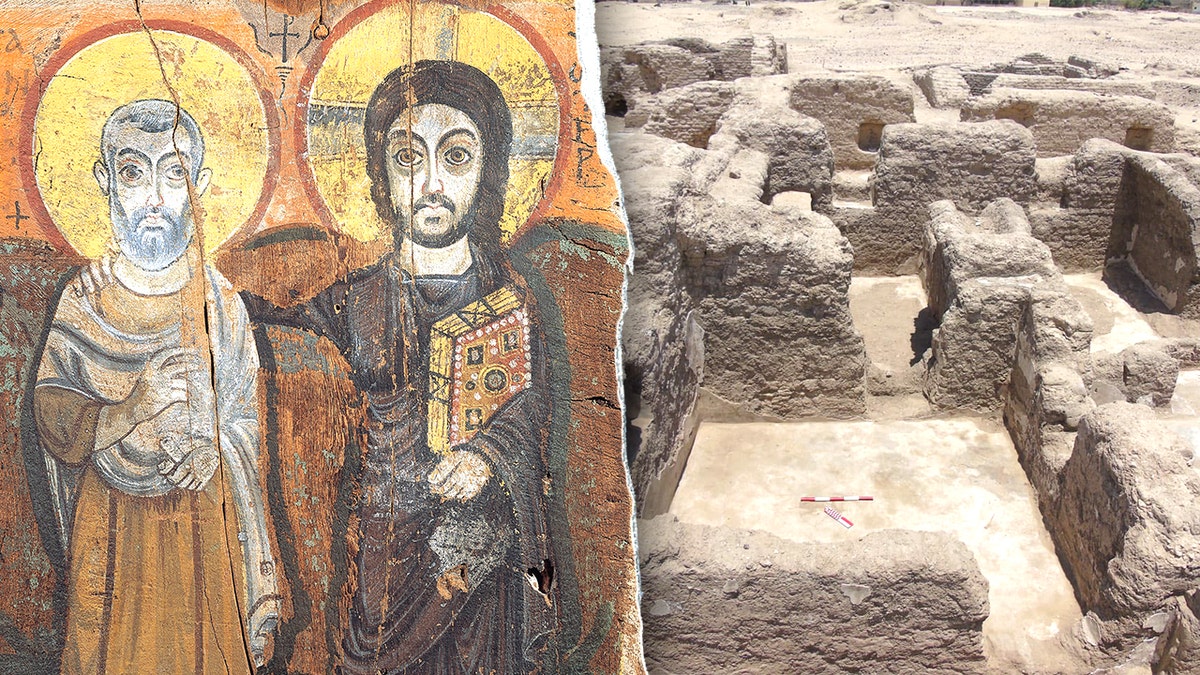
An early Christian icon representing Byzantine-era monasticism is shown at left, while the ruins of a newly uncovered Christian monastery complex in Egypt’s Sohag Governorate are pictured at right.(Egyptian Ministry of Tourism and Antiquities)
In Egypt, the Byzantine era lasted from roughly the 4th century A.D.until 641 A.D., the beginning of the Arab conquest.
ANCIENT SYNAGOGUE UNCOVERED IN ISRAEL REVEALS JEWISH LIFE ALONGSIDE RISE OF EARLY CHRISTIANITY
Archaeologists also uncovered a mudbrick building extending from west to east, measuring roughly 26 by 23 feet to 46 by 26 feet, officials said.
“These structures include rectangular halls, some containing what appears to be an eastern niche or apse used for worship, as well as a number of small rooms with vaulted ceilings, likely used as cells and spaces formonks’ devotion,” the ministry said.
The discovery provides “new information… on monastic life in Upper Egypt during the Byzantine era.”
The buildings were used for a variety of purposes,from mealtimesto “industrial activities” that kept the site running.
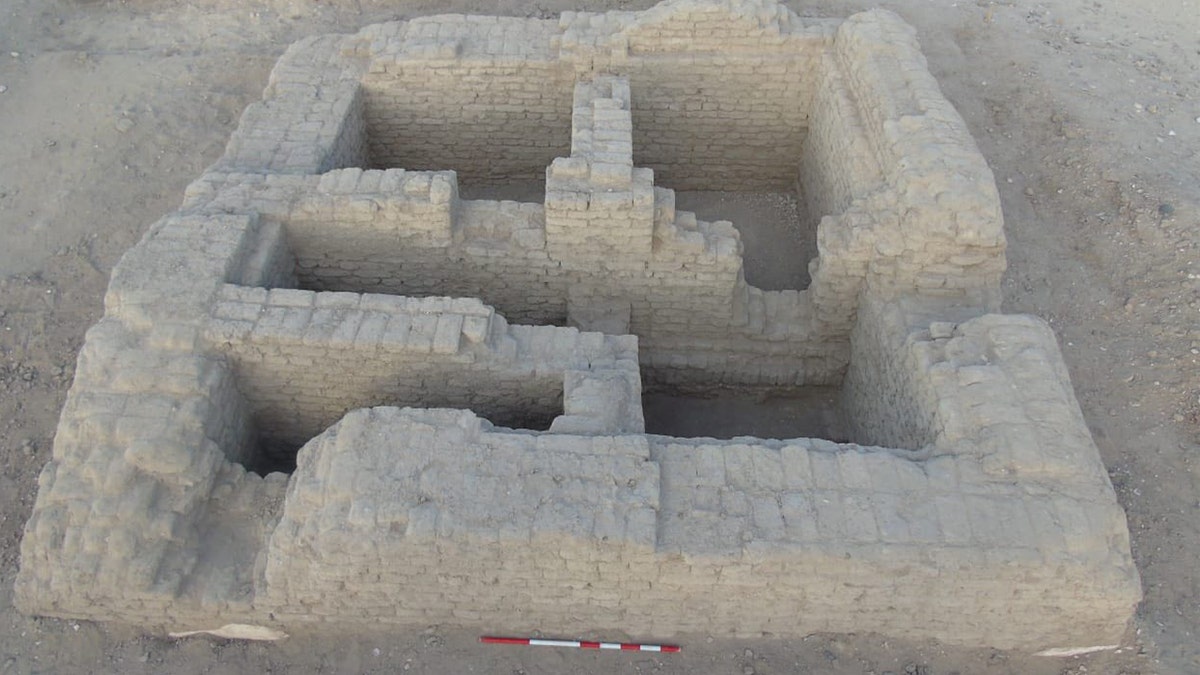
Archaeologists uncovered mudbrick structures believed to be part of a fully integrated residential complex for monks.(Egyptian Ministry of Tourism and Antiquities)
A second mudbrick building likely served asthe main churchof the complex, officials said, and archaeologists identified three distinct areas: the nave, the choir and the sanctuary.
TEST YOURSELF WITH OUR LATEST LIFESTYLE QUIZ
“Remains of mudbrick pillars were found in the nave, indicating it was covered by a central dome, while the sanctuary is centrally located on the eastern side in a semicircular form, flanked by two side chambers,” the statement said.
Artifacts included amphorae with unknown inscriptions, ostraca with Coptic inscriptions, limestone panels and “daily-life tools.”
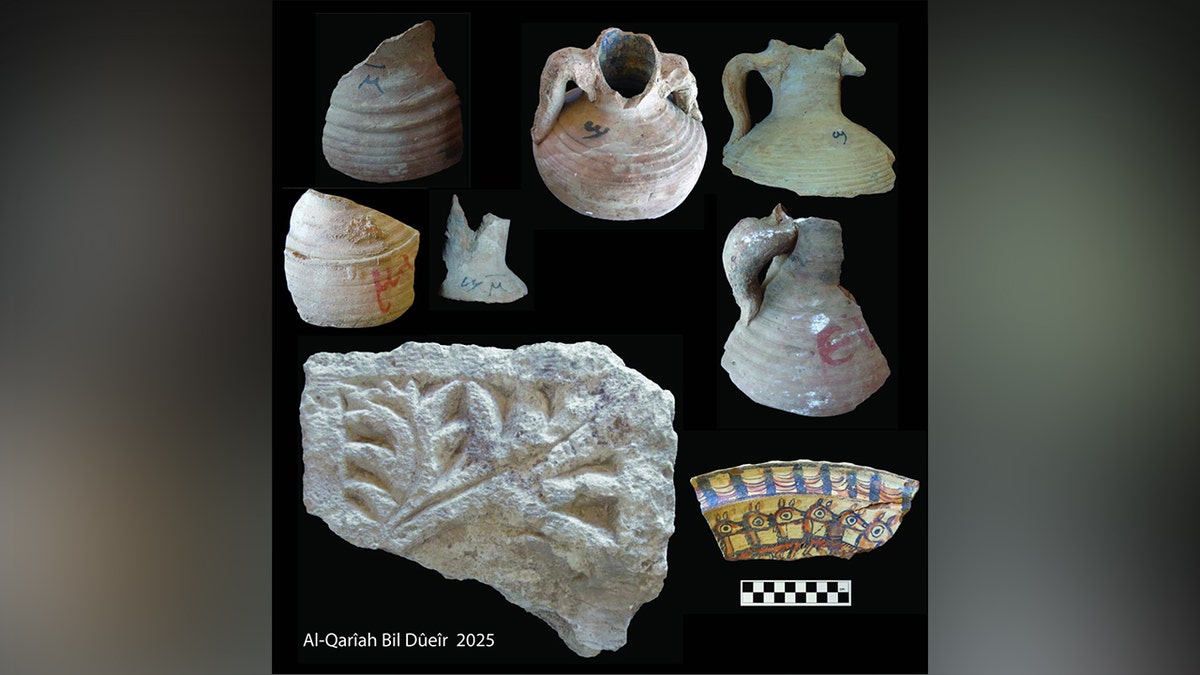
Artifacts recovered at the site include amphorae, limestone panels and tools used in daily life.(Egyptian Ministry of Tourism and Antiquities)
The discovery provides “new information… on monastic life inUpper Egyptduring the Byzantine era,” according to officials.
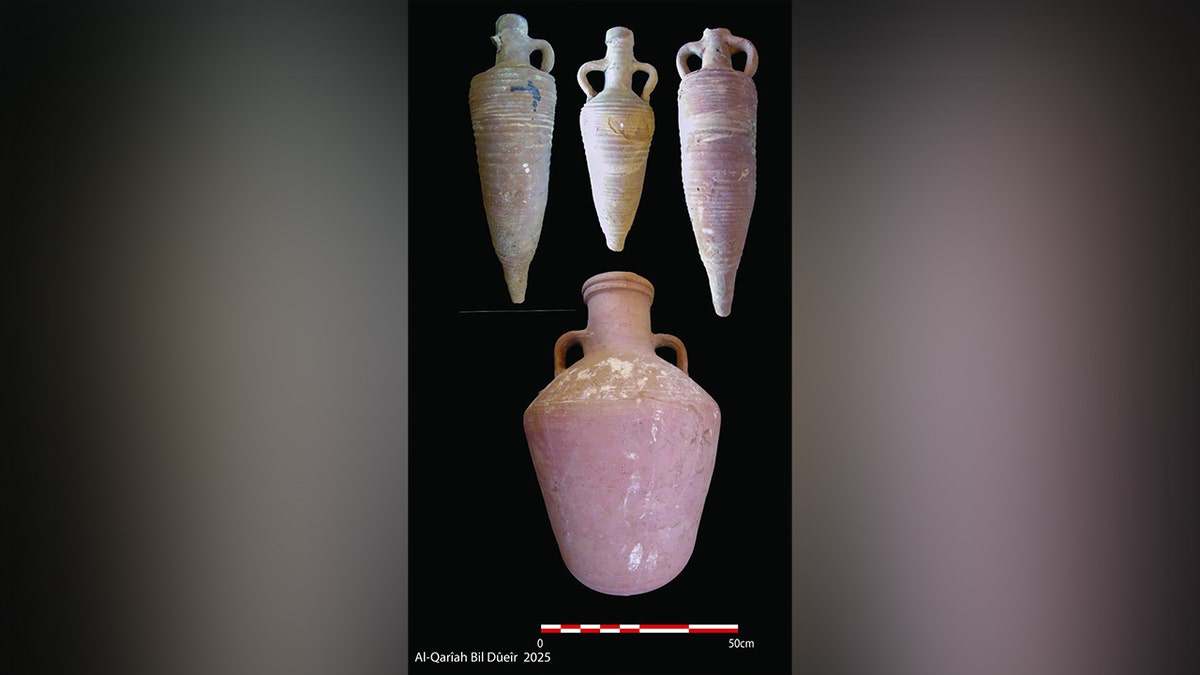
Officials said the findings provide valuable insight into Christian monastic traditions in Upper Egypt.(Egyptian Ministry of Tourism and Antiquities)
Over the summer, archaeologists unearthed anancient workshop“rich with secrets” in the Sinai region.
onelink.me/xLDS?pid=AppArticleLink&af_web_dp=https%3A%2F%2Fwww.
Earlier last year, Egyptian officials unveilednever-before-seen tombsof ancient Egyptian officials in the Luxor Governorate.
![[aggregator] downloaded image for imported item #24223](https://newsview.top/wp-content/uploads/2026/01/las-vegas-tourism-110-1024x576.jpg "Las Vegas tourism crashes to early 2000s levels as visitors flee the city")
![[aggregator] downloaded image for imported item #24380](https://newsview.top/wp-content/uploads/2026/01/scotland-tragic-fire-reveals-time-capsule-artifacts-archaeology-history-discovery-1-1024x576.jpg "Arson destroys 'iconic' Scottish church, uncovering historic time capsule beneath the ruins")
![[aggregator] downloaded image for imported item #24701](https://newsview.top/wp-content/uploads/2026/01/miley4-1024x576.jpg "American hot spot slapped with 'worst' tourist designation in new global analysis")