
![[aggregator] downloaded image for imported item #88799](https://newsview.top/wp-content/uploads/2026/06/woman-in-hospital-1024x576.jpg "Why do some people get sepsis while others don't? Scientists point to the gut")
This post was originally published on this site.
Potentially deadly sepsis may be more likely in certain patients due to problems in the gut.
Researchers from the Korea Research Institute of Bioscience and Biotechnology’s Infectious Disease Research Center used female mouse models to investigate why sepsis outcomes can vary so dramatically.
The study, published in the journal Nature, looked at genetically similar mice with different gut microbiomes.The mice were infected with Acinetobacter baumannii — a highly resilientbacteriumthat can lead to sepsis.
ER DOCTOR REVEALS HOW PNEUMONIA CAN SUDDENLY TURN DEADLY AFTER KYLE BUSCH’S DEATH
The researchers compared groups of mice with higher and lowersurvival rates, examining differences in their gut microbiomes, the amount of bacteria in their blood and organs, and other cellular markers, according to the study press release.

Gut health could signal severe sepsis prior to infection, the study suggests.(iStock)
Measures of risk
Although some mice were genetically similar, the more vulnerable mice had a higher concentration of Muribaculaceae bacteria in the gut.In one comparison, these bacteria made up about 28% of the microbiome in poor surviving mice, but only 0.15% in better surviving mice.
Mice with worse survival showed an early and strong inflammatory response, which later led to more bacteria in the blood, lungs and spleen.This suggests that the microbiome causes theimmune systemto be more reactive, according to the researchers.
GUT MICROBES COULD BE KEY TO FIGHTING TOXIC, LONG-LASTING ‘FOREVER CHEMICALS,’ RESEARCH SAYS
In the microbiome of mice with worse survival, the researchers also noticed that one strain of bacteria — Sangeribacter muris KT1-3 — was most prominent.The mice that typically survived at high rates fared much worse when housed with KTI-3 mice, with their survival falling to 10%.
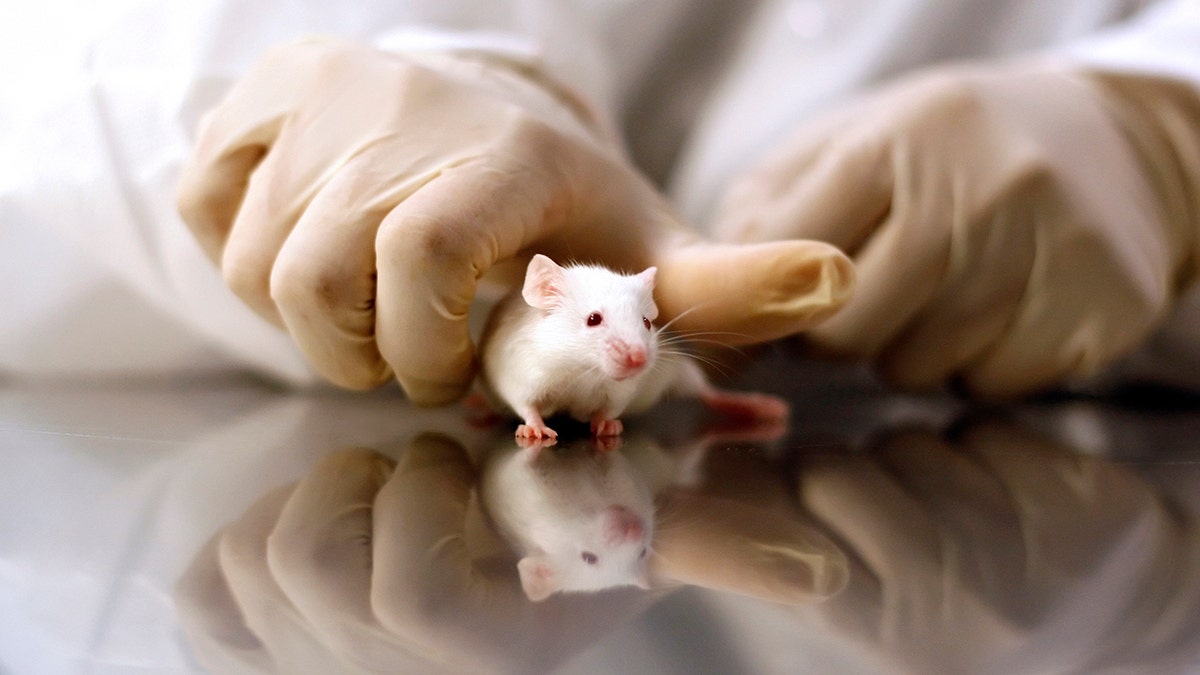
More vulnerable mice had a higher concentration of Muribaculaceae bacteria in the gut.(iStock)
This bacterial strain also appeared to worsen inflammation duringcertain infections, making sepsis more severe.
These findings suggest that the gut microbiome can signal how the immune system will react before an infection begins.
The microbiome’s surprising influence
Andrew Fleming, MD, section chief of Infectious Diseases &Immunology at NYU Langone Hospital, Brooklyn, said it has been “known for years” thatgut bacteriaand bacterial toxins can be released into the bloodstream during sepsis.
This worsens the inflammatory response to the initial infection, according to Fleming, who was not involved in the study.
5 GUT-BOOSTING FRUITS TO EAT MORE OF IN 2026 FOR BETTER DIGESTION, EXPERTS SAY
“This process is particularly important in septic shock, where the intestinal wall becomes more permeable to translocation (or leaking) of bacterial products,” Fleming said.
Interactions between the gut microbiome and the immune system are “complex and variable from person to person,” the doctor described.
onelink.me/xLDS?pid=AppArticleLink&af_web_dp=https%3A%2F%2Fwww.
“But there is mounting evidence that a diverse and healthy gut microbiome – the community of bacteria that lives in a person’s gut – is protective in some ways against severe sepsis,” he went on.“And a dysregulated microbiome – for example, one severely alteredby antibiotics– can impair or worsen the immune system’s response during sepsis.”
Interactions between the gut microbiome and the immune system are “complex and variable from person to person,” a doctor described.(iStock)
Scientists are starting to think of the gut microbiome “almost as a living organ,” according to Fleming, much like the heart, kidneys or liver, all serving “multiple functions” tokeep the body healthy.
An unhealthy microbiome can have “detrimental effects across a range of health issues,” he added – including how the body responds to infections.
“Compared to our other organs, we currently have fewer readily available tests in the doctor’s office to measure the health of our microbiome,” Fleming said.“However, this should not prevent us from thinking about our gut microbiome and how to keep it healthy.”
The role of antibiotics
The use of antibiotics has “major and long-lasting effects” on the microbiome, Fleming noted.Up to 80% of adults in the U.S.are prescribedan antibioticevery year, while 30% are estimated to be unnecessary, according to the CDC.
“Antibiotics deplete the diversity of the microbiome and create a void in the gut microbial community that can be filled by harmful bacteria from the environment,�
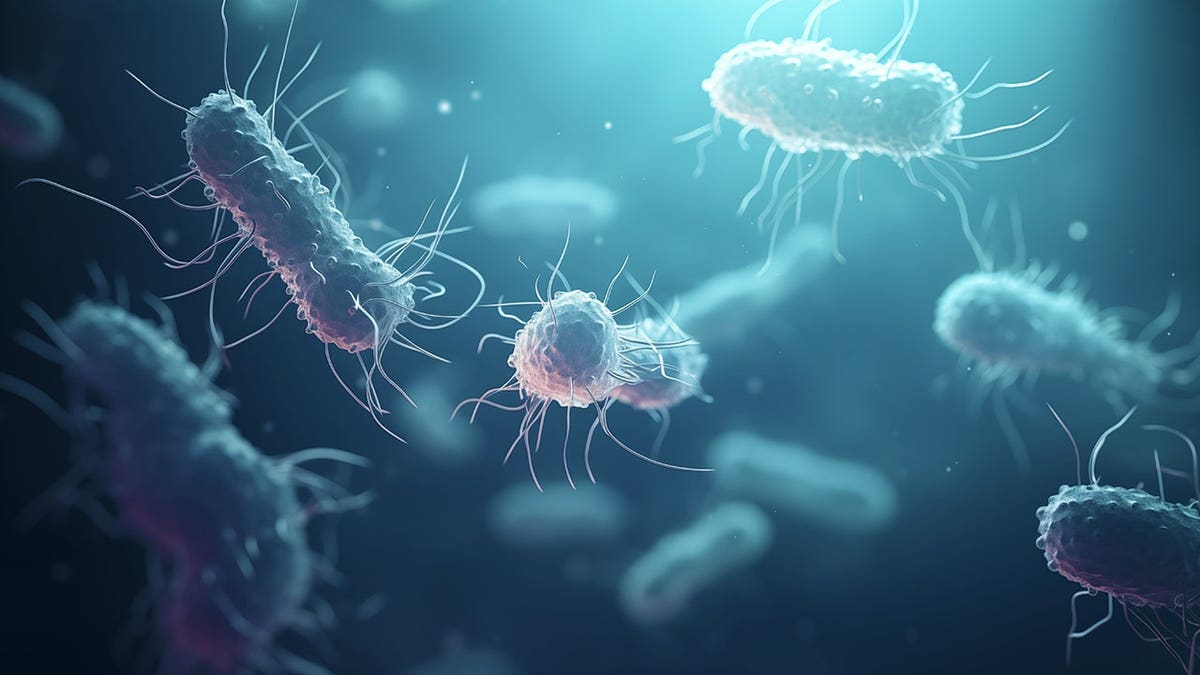
Antibiotics “deplete the diversity of the microbiome and create a void in the gut microbial community that can be filled by harmful bacteria from the environment,” the doctor said.(iStock)
“We must begin to think much more critically about our antibiotic use and overuse, both to maintain our gut health and to reduce the spread of antibiotic resistance.”
The study findings are an “intriguing starting point to further research,” Fleming said, although there were some key limitations.
“Sangeribacter muris is not typically found in humans, so the exact mechanism of this bacterial strain worsening sepsis that is demonstrated in this study cannot be directly extrapolated to people,” he said.“Well-designedclinical trialsshould be conducted to explore how similar gut microbiome effects may play out in sepsis in humans.”
TEST YOURSELF WITH OUR LATEST LIFESTYLE QUIZ
Despite these limitations, the doctor said he supports the hypothesis that maintaining a healthy gut microbiome can help keep the immune system well-regulated while reducing the risk of developing severe sepsis.
![[aggregator] downloaded image for imported item #83320](https://newsview.top/wp-content/uploads/2026/05/fox-news-health-dementia-study-sitting-1024x576.jpg "One type of sitting may pose greater dementia risk than another, study suggests")
![[aggregator] downloaded image for imported item #83639](https://newsview.top/wp-content/uploads/2026/05/young-woman-glp1-injection-fox-news-001-1024x576.jpeg "Ozempic-style drugs linked to major slowdown in cancer spread, new study finds")
![[aggregator] downloaded image for imported item #83632](https://newsview.top/wp-content/uploads/2026/05/man-holiday-cheese-board-grapes-1024x576.jpg "Popular fruit may help protect your skin from the sun, new study suggests")
![[aggregator] downloaded image for imported item #84151](https://newsview.top/wp-content/uploads/2026/05/woman-sleeping-bed-1024x576.jpg "Sleep doctor reveals the brutal health downside of daylight saving time")