
![[aggregator] downloaded image for imported item #86916](https://newsview.top/wp-content/uploads/2026/06/woman_shopping_for_meat_at_grocery_store-1024x576.jpeg "One extra serving of processed meat a day linked to higher cancer risk")
This post was originally published on this site.
Eatingprocessed meatlike ham, sausage and bacon may be linked to a higher risk of certain types of cancer, according to new research.
While health organizations have already confirmed that processed meat can contribute tocolon cancer, this study looked closer at cancers in the upper digestive tract, where the link has historically been less clear.
To understand these connections, researchers from the European Prospective Investigation into Cancer and Nutrition (EPIC), one of the world’s largest long-term nutrition and cancer cohorts, tracked the health and diets of 450,112 people across Europe for an average of 14 years.
FREQUENT HEARTBURN MAY BE A WARNING SIGN OF A MORE DANGEROUS CONDITION, DOCTOR SAYS
The study group included 131,426 men and 318,686 women, according to the study’s press release.
During the follow-up period, 876 people developedstomach cancerand 215 people developed esophageal adenocarcinoma, which is cancer of the tube connecting the mouth to the stomach.

For female participants, eating both processed meat and white meat was linked to an increased risk of developing the disease.(iStock)
Researchers tracked where the stomach cancers grew, separating them into the upper part of the stomach near the throat and the lower part of the stomach.
The researchers also sorted the tumors into two categories based on how the cancer cells appeared under a microscope: intestinal, which forms more organized structures, and diffuse, in which the cells are more scattered throughout the tissue.
BACTERIA IN YOUR MOUTH MAY TRAVEL TO THE GUT AND TRIGGER STOMACH CANCER, RESEARCH FINDS
After adjusting for other lifestyle factors, the researchers found that for every extra 30 grams ofprocessed meata person ate per day, their overall risk of stomach cancer went up by 9%.Eating that same extra 30 grams a day was also linked to a 13% higher risk of esophageal adenocarcinoma.
A standard single slice of regular deli-sliced ham or lunch meat averages around 28 grams, according to USDA data and nutritional tracking databases.
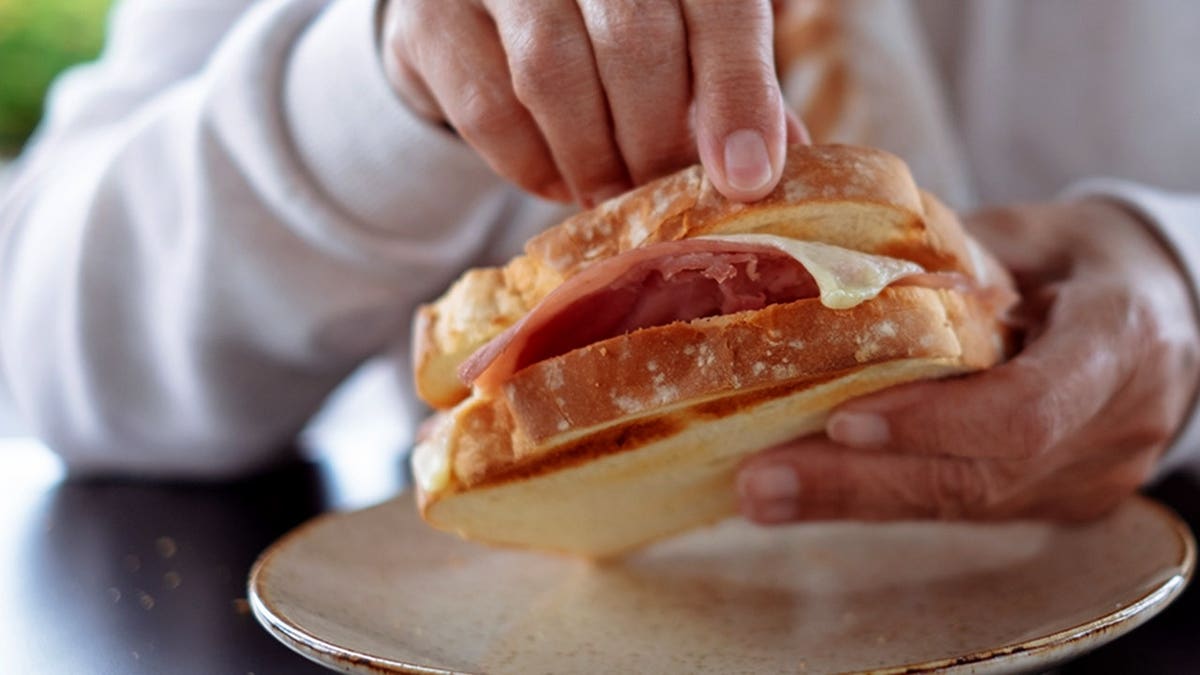
An extra 20 grams of white meat, such as chicken and turkey, was linked to a 12% higher risk of cancer in the main body of the stomach.(iStock)
An extra 20 grams ofwhite meat, such as chicken or turkey, was linked to a 12% higher risk of cancer in the main body of the stomach, the researchers noted.
The study also revealed differences between men and women.For male participants, only processed meat showed a clear, statistically significant link to a higher risk of stomach cancer.For female participants, however, eating both processed meat and white meat was linked to an increased risk.
These findings align with global health benchmarks, particularly those established by theWorld Health Organization’s International Agency for Research on Cancer.
The agency has long classified processed meat as a known human carcinogen, primarily due to its strong, well-documented links to colorectal cancer.
However, health organizations have also consistently pointed to a potential, yet less definitive, relationship between these meats and cancers of the stomach.
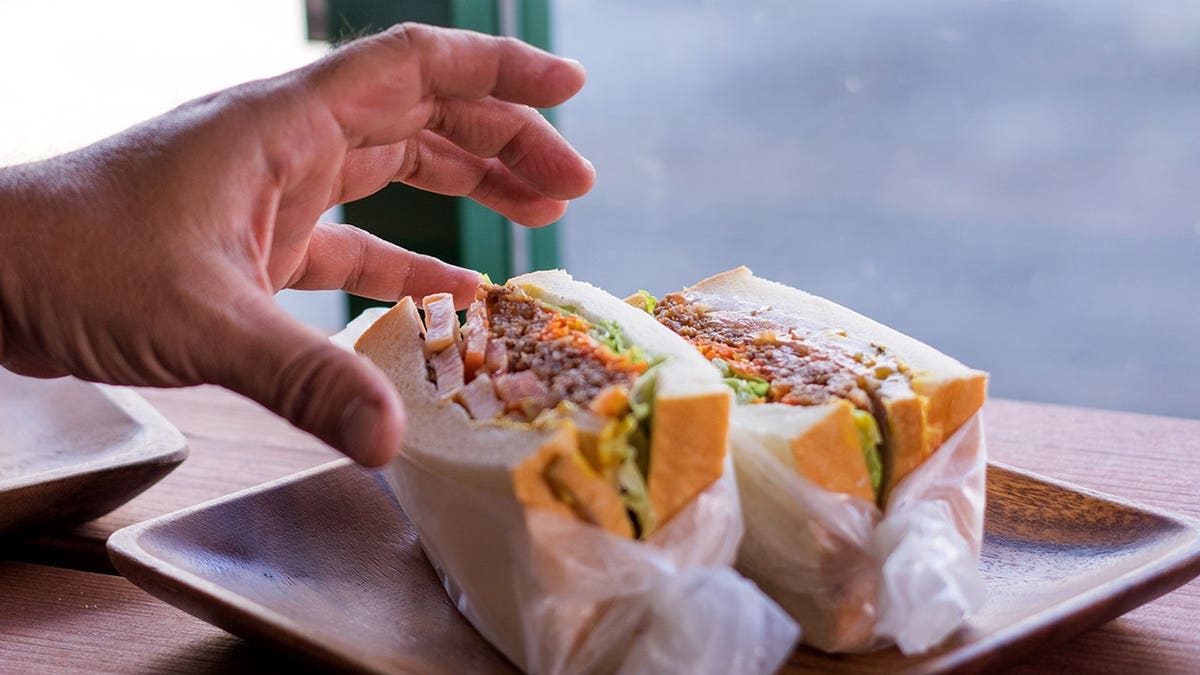
Eating 30 grams of processed meat a day, or the equivalent to one slice of ham, was linked to a 13% higher risk of esophageal adenocarcinoma.(iStock)
Further scientific investigation is needed to confirm the findings and to account for otherunderlying risk factors, such as certain stomach infections, which could interact with dietary habits.
TEST YOURSELF WITH OUR LATEST LIFESTYLE QUIZ
A key limitation of the study is its reliance on self-reported diets, which can sometimes lead to inaccuracies in how participants recall their meat consumption over time, the researchers noted.
onelink.me/xLDS?pid=AppArticleLink&af_web_dp=https%3A%2F%2Fwww.
The findings were published in the International Journal of Cancer.
![[aggregator] downloaded image for imported item #83025](https://newsview.top/wp-content/uploads/2026/05/two-friends-walking-having-deep-conversation-1024x576.gif "5 common walking mistakes that could hurt your progress, according to an expert")
![[aggregator] downloaded image for imported item #83018](https://newsview.top/wp-content/uploads/2026/05/upscale-expensive-water-trend-1024x576.jpg "Filtered water at specific ages could add months to your lifespan decades later, new study finds")
![[aggregator] downloaded image for imported item #83327](https://newsview.top/wp-content/uploads/2026/05/young-woman-headache-kitchen-fox-news-001-1024x576.jpeg "Experimental Alzheimer’s drug could reduce alcohol withdrawal damage, researchers say")
![[aggregator] downloaded image for imported item #83320](https://newsview.top/wp-content/uploads/2026/05/fox-news-health-dementia-study-sitting-1024x576.jpg "One type of sitting may pose greater dementia risk than another, study suggests")