
![[aggregator] downloaded image for imported item #86016](https://newsview.top/wp-content/uploads/2026/06/veteran-counseling-1024x576.jpg "Veterans face surprising threat after cancer diagnosis, study reveals")
This post was originally published on this site.
This story discusses suicide.If you or someone you know is having thoughts of suicide, please contact the National Suicide Prevention Lifeline at 1-800-273-TALK (8255).
Veteranswith cancer face a higher risk of suicide attempts, according to new research from Oregon Health &Science University (OHSU).
The risk is especially prevalent in the months following diagnosis and can persist for years, states the study, which was published in JAMA Oncology.
The researchers analyzed Veterans Health Administration data from more than 292,000 veterans with cancer from 2014 to 2023.
GRIEVING MOM HOSPITALIZED WITH RARE ‘BROKEN HEART SYNDROME’ AFTER VETERAN SON’S SUICIDE
The data was measured against the rate of suicidal self-directed violence (SSDV), including both fatal and nonfatalsuicide attempts, the study stated.
Veterans with cancer experienced suicide attempts at a rate of 203 per 100,000, which the researchers noted is “significantly higher than the general population.”
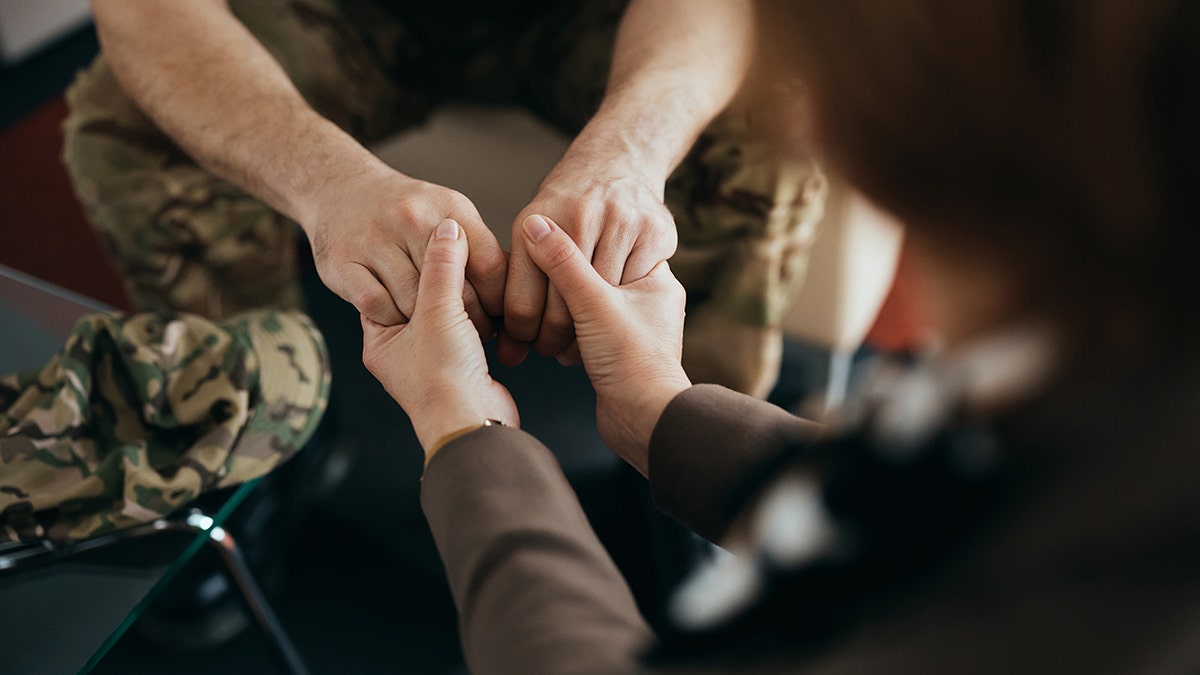
Those with higher SSDV rates included veterans with severe frailty, chronic mental illness, advanced cancer and high pain scores.(iStock)
The study also found that overwhelming distress tied to disease diagnosis, treatment and long-term effects puts patients at risk “well into survivorship,” or long after active treatment is over.
The risk was highest in the first six months after diagnosis, but persisted for up to five years.
VETERANS’ PTSD SYMPTOMS COULD IMPROVE WITH HYPERBARIC OXYGEN THERAPY, STUDY SHOWS
Those with higher SSDV rates included veterans with severe frailty, chronicmental illness, advanced cancer and high pain scores.
High rates of nonfatal attempts were recorded most in veterans under the age of 45, females, and veterans with central nervous system cancer orthyroid cancer.

Suicide risk was most prevalent six months after cancer diagnosis, but remained elevated for up to five years.(iStock)
Prescriptionmedicationswere the most common method used in nonfatal suicide attempts, including opioids, while firearms were most common in fatal attempts.
As the study was observational, the results show an association but don’t prove that cancer directly caused the suicidal behavior.
Lead study author Donald R.Sullivan, MD, associate professor of medicine at the OHSU School of Medicine, commented that this is a “concerningpublic healthcrisis that disproportionately affects America’s servicemen and servicewomen.”
“We hope to raise awareness and inform the development of approaches to better support veterans and mitigate the impact of acancer diagnosison their well-being,�
“We need to combine efforts in research, outreach and care.”
In a press release statement, Sullivan added that a cancer diagnosis is often a “profound shock.”
“Even cancers with good survival rates can trigger an immediate fear of death,” he said.“That initial moment, combined with pain, treatment side effects, anxiety ordepression, can be incredibly destabilizing.”

“We hope to raise awareness and inform the development of approaches to better support veterans,” said the lead researcher.(iStock)
Jim Whaley, CEO of Mission Roll Call — a nonprofit veteran advocacy group �
“The study shows that more investigation and action is needed to medicate the higher percentage of veterans diagnosed with cancer committing suicide,” said Whaley, who was not involved in the study.
“Understanding the chain of events and upstream factors is vital, as is sharing thestudy resultsand recommendations with veteran support organizations involved in these efforts on the ground in communities across the nation.”
Whaley also stressed the importance of recognizing that health encompasses both mental and physicalwell-being, especially for military service members.
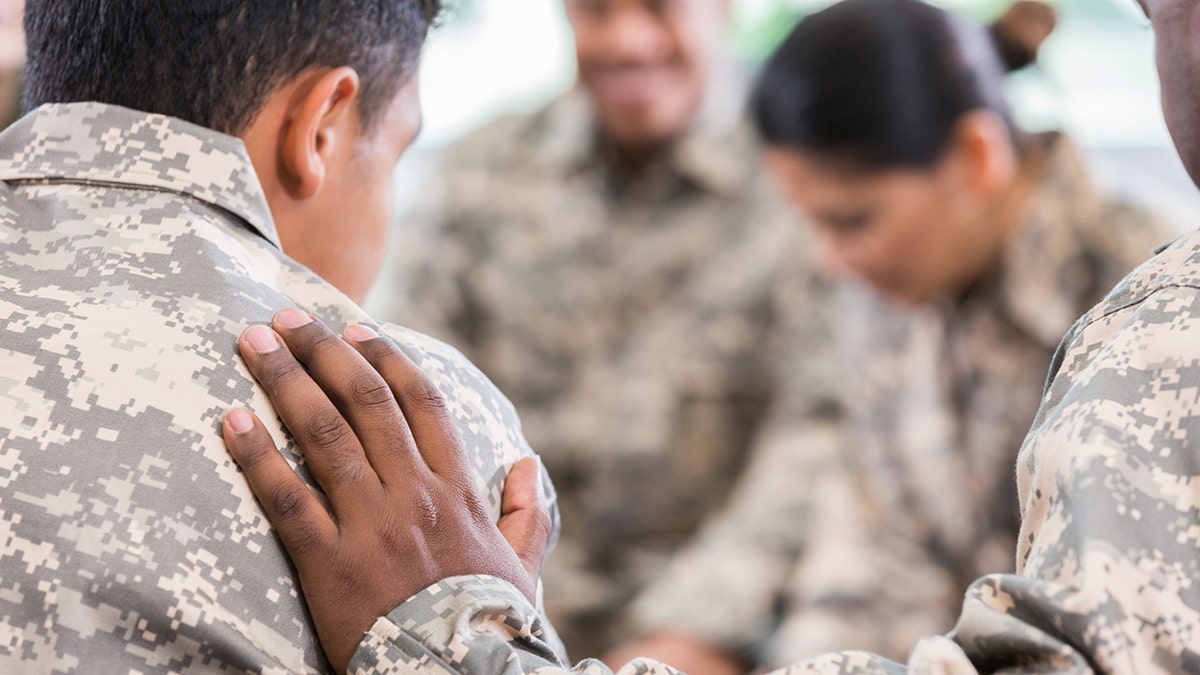
An expert stressed the importance of recognizing that health encompasses both mental and physical well-being, especially for military service members.(iStock)
“Just as we trained inphysical fitnessdaily, we must exercise our mental health in the same manner,” he said.“Veterans sometimes need the tools to do that.”
TEST YOURSELF WITH OUR LATEST LIFESTYLE QUIZ
While veterans are “great” at helping other veterans, Whaley suggested that they’re “not so good at asking for help.” It’s imperative that loved ones and people within the veteran community watch for warning signs ofmental healthdecline, he added.
The number of veteran suicides is 425% higher than the number of combat deaths since 9/11, he noted.
onelink.me/xLDS?pid=AppArticleLink&af_web_dp=https%3A%2F%2Fwww.
“Despite good intentions, the decline in the number of suicides is not dropping enough to end this scourge,” Whaley said.“We need to combine efforts in research, outreach and care … It is a national crisis that needs a national-level task force.”
![[aggregator] downloaded image for imported item #83025](https://newsview.top/wp-content/uploads/2026/05/two-friends-walking-having-deep-conversation-1024x576.gif "5 common walking mistakes that could hurt your progress, according to an expert")
![[aggregator] downloaded image for imported item #83018](https://newsview.top/wp-content/uploads/2026/05/upscale-expensive-water-trend-1024x576.jpg "Filtered water at specific ages could add months to your lifespan decades later, new study finds")
![[aggregator] downloaded image for imported item #83327](https://newsview.top/wp-content/uploads/2026/05/young-woman-headache-kitchen-fox-news-001-1024x576.jpeg "Experimental Alzheimer’s drug could reduce alcohol withdrawal damage, researchers say")
![[aggregator] downloaded image for imported item #83320](https://newsview.top/wp-content/uploads/2026/05/fox-news-health-dementia-study-sitting-1024x576.jpg "One type of sitting may pose greater dementia risk than another, study suggests")