
![[aggregator] downloaded image for imported item #84592](https://newsview.top/wp-content/uploads/2026/05/parasitic-mite-fingertip-disease-fox-news-001-1024x576.jpeg "Tick bite ER visits hit highest seasonal level in years as doctors warn of disease surge")
This post was originally published on this site.
Tick bite-related ER visits are at their highest seasonal levels since 2017 across most U.S.regions, raising concerns about increased Lyme disease and othertick-borne illnesses.
That’s according to recent data from the Centers for Disease Control and Prevention’s Tick Bite Tracker, which monitors weekly emergency department visits associated with tick bites across the country.
For every 100,000 ER visits, approximately 71 were related to tick bites in April 2026, compared to a historical seasonal average of roughly 30 per 100,000.
DOCTORS REVEAL KEY SIGNS OF LYME DISEASE AS TICK SEASON INTENSIFIES ACROSS US
Some of the highest rates of tick-based ER visits wereamong childrenyounger than 10 years and adults between 70 and 79 years.
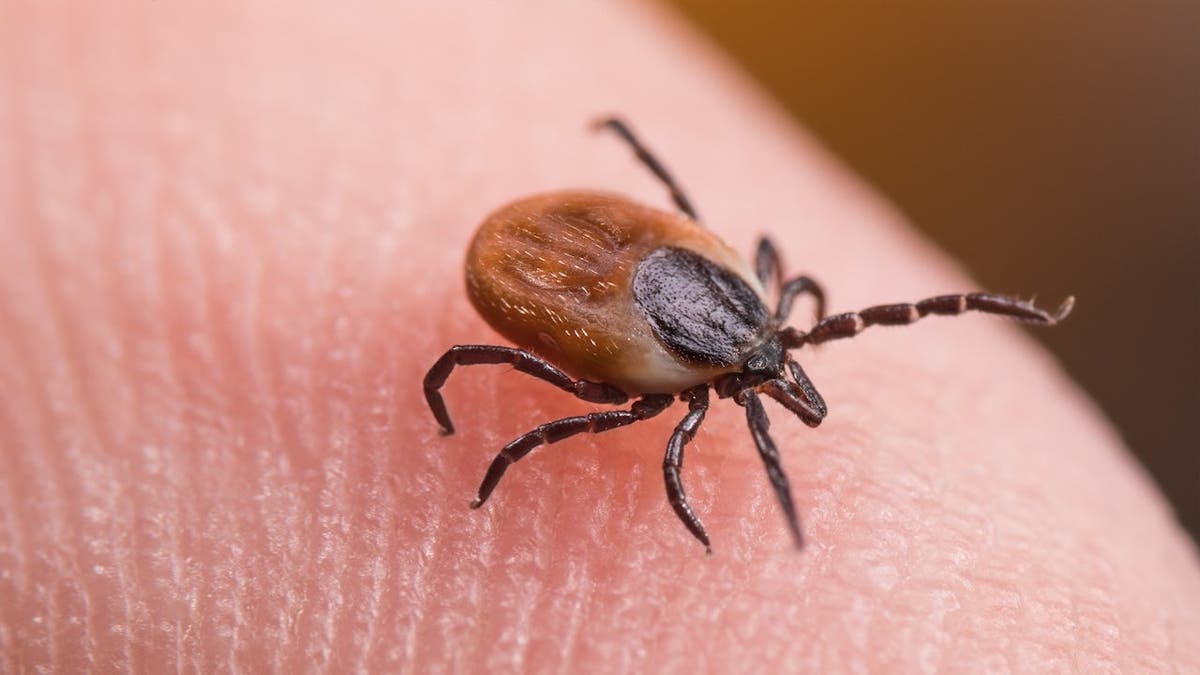
A close-up shows a parasitic mite in motion on a human fingertip, highlighting the potential for disease transmission such as encephalitis.(iStock)
“Over the past three decades, the geographic range of theblacklegged tickhas expanded significantly, and with it, the risk of Lyme disease and other Ixodes-transmitted infections,” Dr.
‘RABBIT FEVER’ CASES RISING IN US AS CDC WARNS OF ZOONOTIC BACTERIAL DISEASE
“The Ohio River Valley region is one of the most striking examples — Lyme disease cases in Ohio have increased roughly 10-fold over the past decade, likely driven by the convergence of Northeastern and Upper Midwesterntick populationsmeeting in that corridor.”
States like Virginia and West Virginia, as well as areas south of the traditional endemic zone, are reporting increasing tick abundance and disease cases, the doctor noted.
“Over the past three decades, the geographic range of the blacklegged tick has expanded significantly.”
“The lone star tick is also expanding its range northward beyond its traditional stronghold in the Southeast, which means diseases like ehrlichiosis and alpha-gal syndrome are appearing in regions where clinicians may not yet be thinking about them,” he warned.
Someclimatestudies predict that the blacklegged tick’s suitable habitat could expand by over 200% by the end of the century, Goldberg noted, including into Canada and across the central and southern U.S.
What’s driving the spike?
“Warmer, wetter conditions allow ticks to survive in habitats that previously would have been too cold,” said Dr.Suraj Saggar, chief of infectious disease at Holy Name Medical Center in Teaneck, New Jersey.“Milder winters also extend the lifespan of both ticks and the animals they feed on, accelerating tick reproduction and shortening their life cycles.”
Areas that historically experienced longer, colder winters or significant snow cover are now more hospitable to ticks, the doctor noted.
COPPERHEAD SNAKE BITE LEAVES MAYOR’S WIFE IN ‘EXCRUCIATING PAIN,’ HE REVEALS
“As temperatures rise and precipitation patterns change, ticks are able to spread northward and thrive in new ecosystems,” he said.
Another contributing factor is increasedland developmentand human expansion into wooded and grassy areas, as well as reforestation of formerly agricultural land.
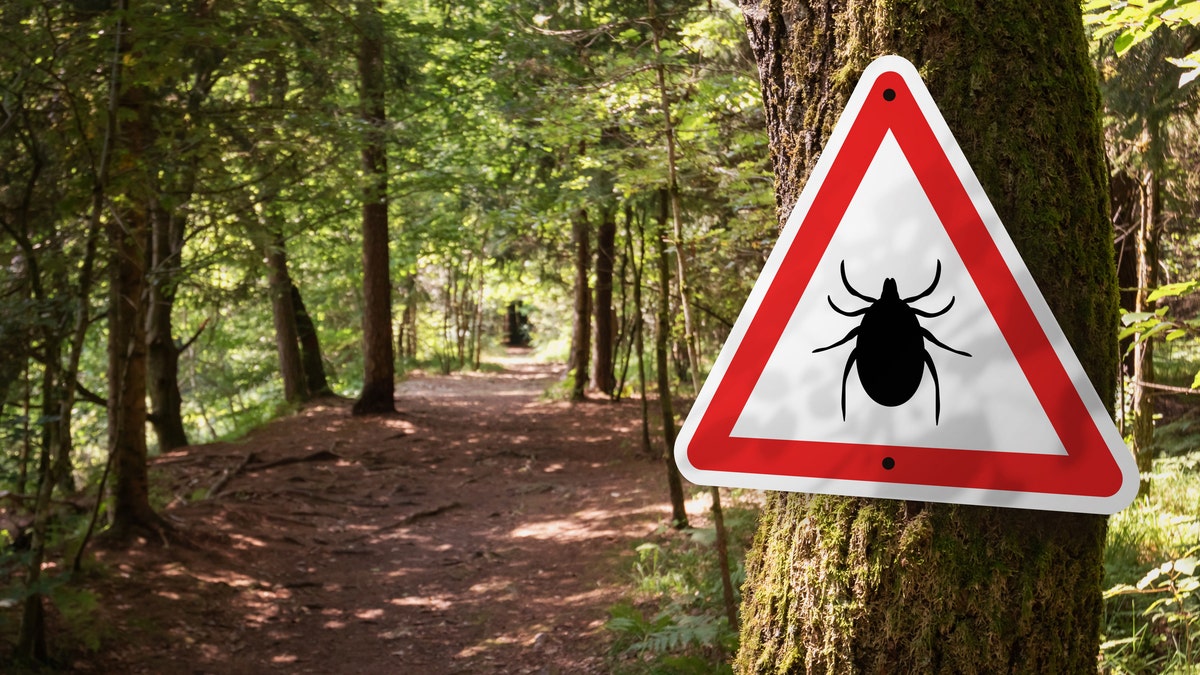
“As temperatures rise and precipitation patterns change, ticks are able to spread northward and thrive in new ecosystems,” an expert said. (iStock)
“The recovery and expansion of white-tailed deer populations — critical hosts for adult blacklegged ticks — has been a major driver,” Goldberg added.“Deer density is positively associated with Lyme disease incidence.Small mammalcommunities, particularly white-footed mice that serve as key reservoir hosts for Borrelia burgdorferi, also play a central role.”
Tick-borne diseases
Tick bites are known to transmit numerous illnesses, the most widespread of which is Lyme disease, abacterial infection.
“Lyme disease cases alone have increased roughly two- to threefold over the past 20 years,” Saggar said.Approximately 476,000 Americans are diagnosed and treated for Lyme disease each year, per CDC surveillance data.
MOSQUITO-BORN DENGUE FEVER CASES SURGE AT POPULAR US VACATION DESTINATION
Also common are anaplasmosis and ehrlichiosis, two different types ofbacterial infections, according to the doctor.Tick bites can also cause babesiosis, a malaria-like parasitic disease that infects and destroys red blood cells.
“Another growing concern is alpha-gal syndrome, a condition in which a (lone star) tick bite triggers a seriousallergic reaction to red meat,” Saggar said.“In rare cases, people have died from anaphylactic reactions linked to alpha-gal syndrome following a tick bite.”

Some common symptoms of tick-borne illness include fever, chills, fatigue, headaches, muscle aches and joint pain.(iStock)
Ticks can also transmit viruses, including the Powassan virus, which can cause severe neurologic injury.
“Powassan virus diseaseis arguably the most concerning emerging tick-borne infection,” said Goldberg, who is also chief medical officer at HealthTrack.“It’s transmitted by the same blacklegged tick that carries Lyme disease, but unlike Lyme, it can be transmitted within minutes of tick attachment.”
onelink.me/xLDS?pid=AppArticleLink&af_web_dp=https%3A%2F%2Fwww.
Powassan can cause severe encephalitis with a roughly 10% to 15% fatality rate, and more than half of survivors have lastingneurological deficits, Goldberg noted.
In the Rocky Mountain states, the Rocky Mountain wood tick (Dermacentor andersoni) transmits Rocky Mountain spotted fever and Colorado tick fever.
“In the Southeast and South-Central U.S., the lone star tick (Amblyomma americanum) drives a different set of concerns: ehrlichiosis, tularemia, and two emerging viral threats — Heartland virus and Bourbon virus,” said Goldberg.
Symptoms to watch for
Another sign is the classic “bull’s-eye” rash associated with Lyme disease, known medically as “erythema migrans.”

“If you think you have been bitten by a tick, you should seek medical attention if you develop symptoms after a known tick bite or after spending time in tick-prone areas, especially during the spring, summer and fall.”(iStock)
“Because testing can sometimes be falsely negative early in the disease process, doctors may treat patients based on symptoms and exposure history rather than waiting for laboratory confirmation,” Saggar noted.
TEST YOURSELF WITH OUR LATEST LIFESTYLE QUIZ
“If you think you have been bitten by a tick, you should seekmedical attentionif you develop symptoms after a known tick bite or after spending time in tick-prone areas, especially during the spring, summer and fall.”
Preventing tick bites
As there are no vaccines currently available for any tick-borne disease in the U.S., prevention is the most effective strategy.
Goldberg shared the following recommended prevention strategies.
Approximately 476,000 Americans are diagnosed and treated for Lyme disease each year, per CDC data.
“The longer a tick is attached, the higher the risk ofdisease transmission— for Lyme disease, transmission generally requires at least 36 hours of attachment,” Goldberg said.“The Powassan virus can be transmitted much more quickly.”
![[aggregator] downloaded image for imported item #83025](https://newsview.top/wp-content/uploads/2026/05/two-friends-walking-having-deep-conversation-1024x576.gif "5 common walking mistakes that could hurt your progress, according to an expert")
![[aggregator] downloaded image for imported item #83018](https://newsview.top/wp-content/uploads/2026/05/upscale-expensive-water-trend-1024x576.jpg "Filtered water at specific ages could add months to your lifespan decades later, new study finds")
![[aggregator] downloaded image for imported item #83327](https://newsview.top/wp-content/uploads/2026/05/young-woman-headache-kitchen-fox-news-001-1024x576.jpeg "Experimental Alzheimer’s drug could reduce alcohol withdrawal damage, researchers say")
![[aggregator] downloaded image for imported item #83320](https://newsview.top/wp-content/uploads/2026/05/fox-news-health-dementia-study-sitting-1024x576.jpg "One type of sitting may pose greater dementia risk than another, study suggests")