
![[aggregator] downloaded image for imported item #76801](https://newsview.top/wp-content/uploads/2026/05/robot-southwest-flight-1024x576.jpg "Airline flight delayed for bizarre reason as humanoid robot triggers safety query")
This post was originally published on this site.
ASouthwest Airlinesflight was delayed for about an hour recently for a most unusual reason.
A humanoid robot had been brought on board as a passenger.But it couldn’t take to the skies right away.
The 75-pound robot, named Bebop, was traveling fromOakland, California, to San Diegoon Thursday, April 30 — and attracted a crowd at the gate as it danced for everyone before boarding.
SOUTHWEST AIRLINES UNVEILS NEW PORTABLE CHARGER RULE FOR PASSENGER SAFETY
“A lot of people came, took videos and had their kids come and give it high-fives,�Elite Event Robotics rents out interactive robots for events.
The delay in the flight stemmed from an issue with the robot’s battery — which exceeded airline limits, the company said.
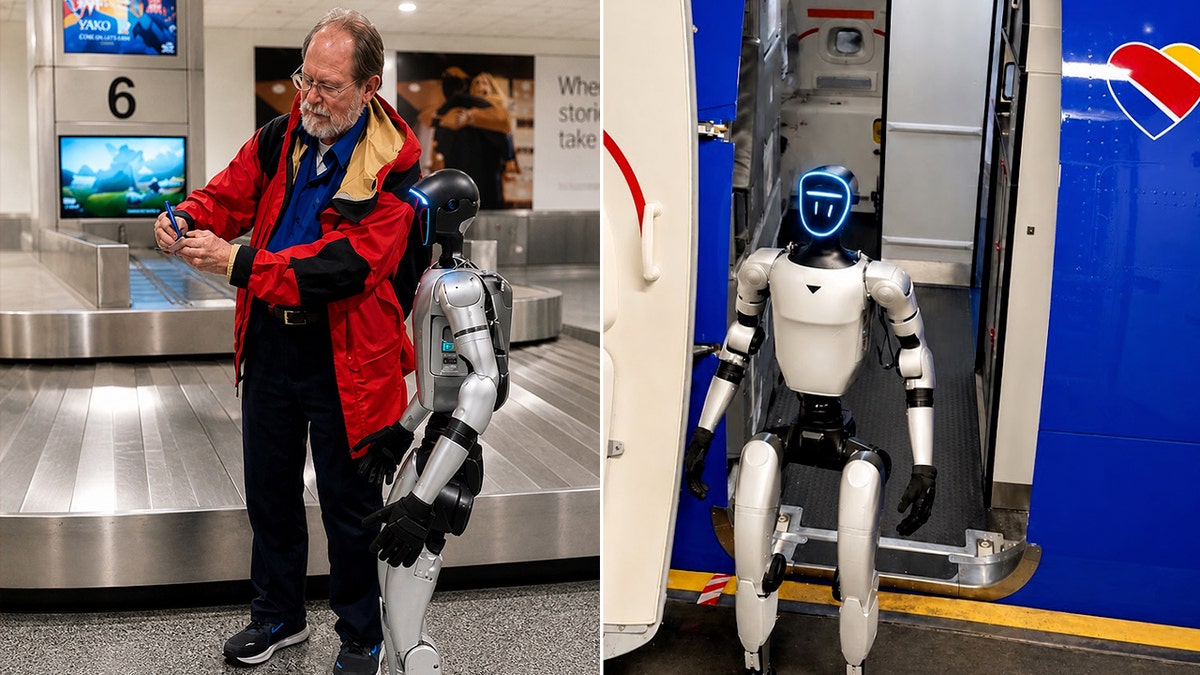
Bebop the robot drew a crowd when it began dancing at the gate just ahead of a flight from Oakland to San Diego, California.(Elite Event Robotics)
The situation began when the team realized the robot, together with its case, exceeded the airline’s 100-pound carry-on limit, said Ben-Abraham.
As a last resort, the robot’s handler asked ifthe robotcould have its own seat, he said.
“They all concluded that it would be possible and had it registered as a spot for an inanimate object,” Ben-Abraham said, noting that anyone can technically purchase an extra seat.
FLIGHT PASSENGER YELLS, “I WANT OFF,” CALLS CREW “IDIOTS” AND YANKS OPEN EMERGENCY EXIT DOOR
But after boarding, airline staff raised concerns about the battery — leading to a delay of about an hour.
At the airline’s request, Ben-Abraham removed the battery from the robot, he recounted.
“I was told to be in touch with the confiscation department,” he said.
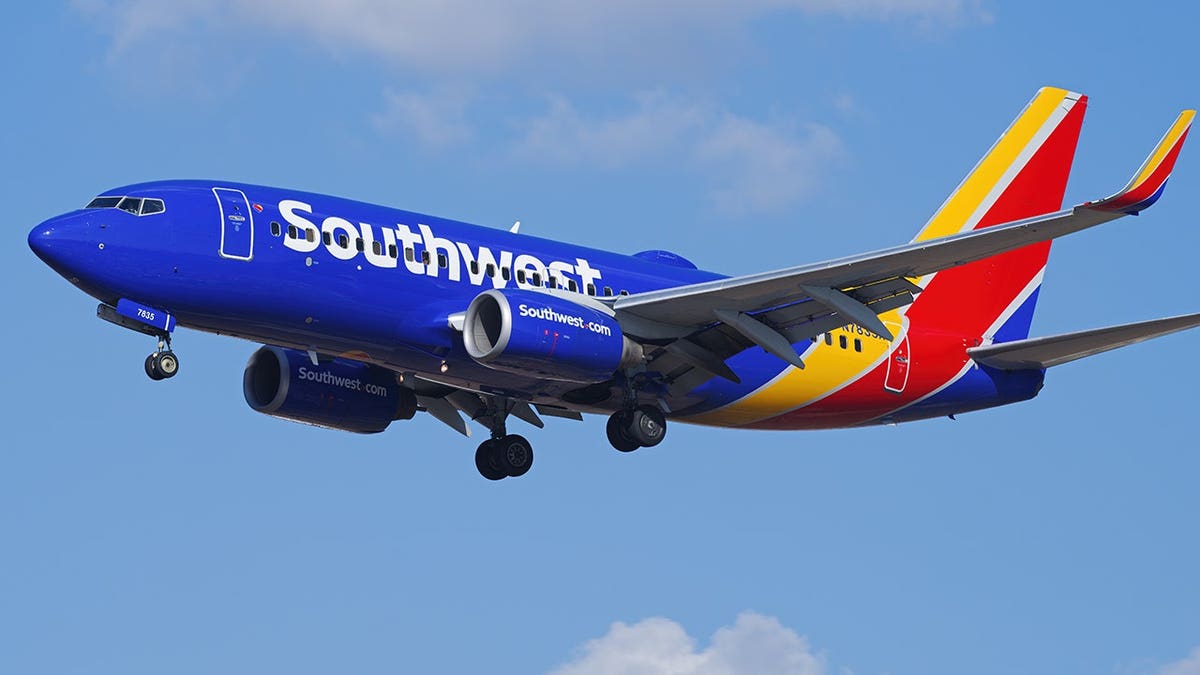
Lithium batteries are strictly controlled on flights because of fire hazards, with firm restrictions on their size and how they must be carried.(iStock)
The robot had been successfully transported on an earlier flight from Dallas to Oakland — but now there were complications on the leg to San Diego.Bebop was alsoexpected at an eventin Chicago later that weekend — so getting the battery to that city became a bit of an ordeal for the employee.
“He’s still the main attraction wherever he lands.”
“We have family in California that was able to drive over five hours north and [then] overnight it to a hotel in Chicago,” Ben-Abraham said.
�purchased a seat for a device.The device’s lithium battery exceeded the maximum allowable size, so the customer was asked to remove it.”
the safety of our customersand employees.”
Elite Event Robotics discussed the delay in a social media post after the incident.
“Delayed … but worth the wait,” the companywrote on Instagram.“Bebop finally made it on board, and safe to say he’s still the main attraction wherever he lands.”
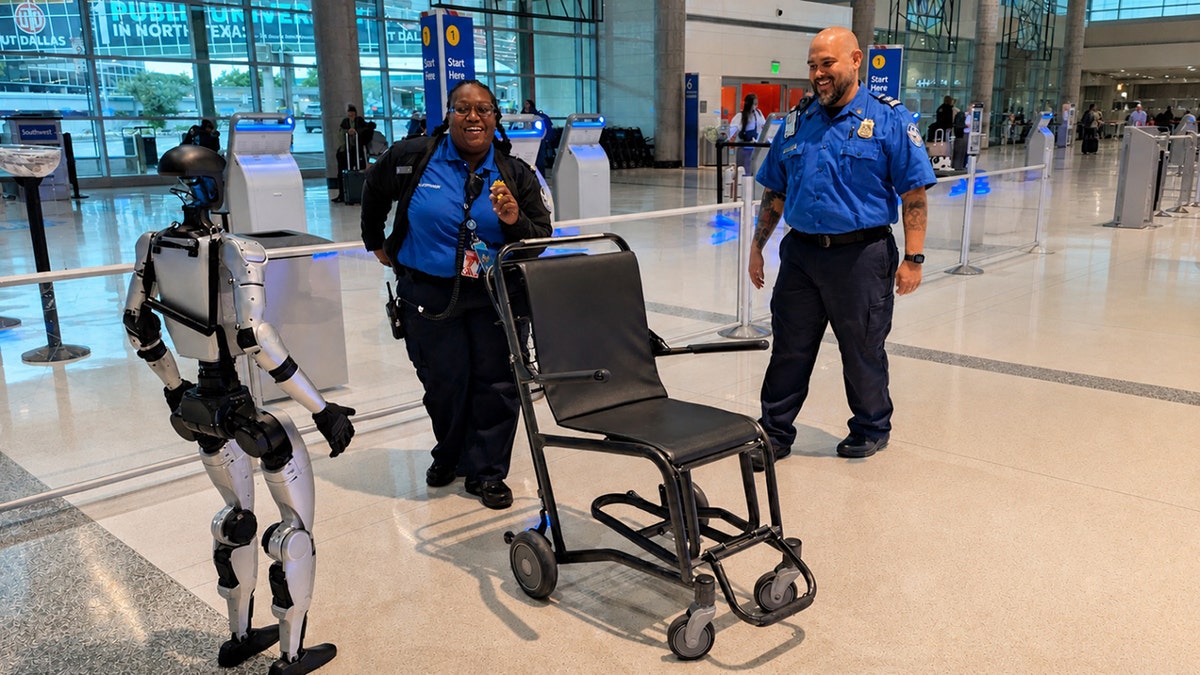
Despite the fun it brought ahead of time, the robot caused a travel delay because its battery exceeded airline limits.Passengers were delayed for about an hour. (Elite Event Robotics)
Lithium batteries are tightly regulated on flights due tofire risk concerns, with strict limits on size and how they can be transported, according to the Transportation Security Administration (TSA).
TEST YOURSELF WITH OUR LATEST LIFESTYLE QUIZ
Others questioned whether the robot should have been treated as a passenger at all.
“That’s not a passenger, that’s freight,” one user wrote.
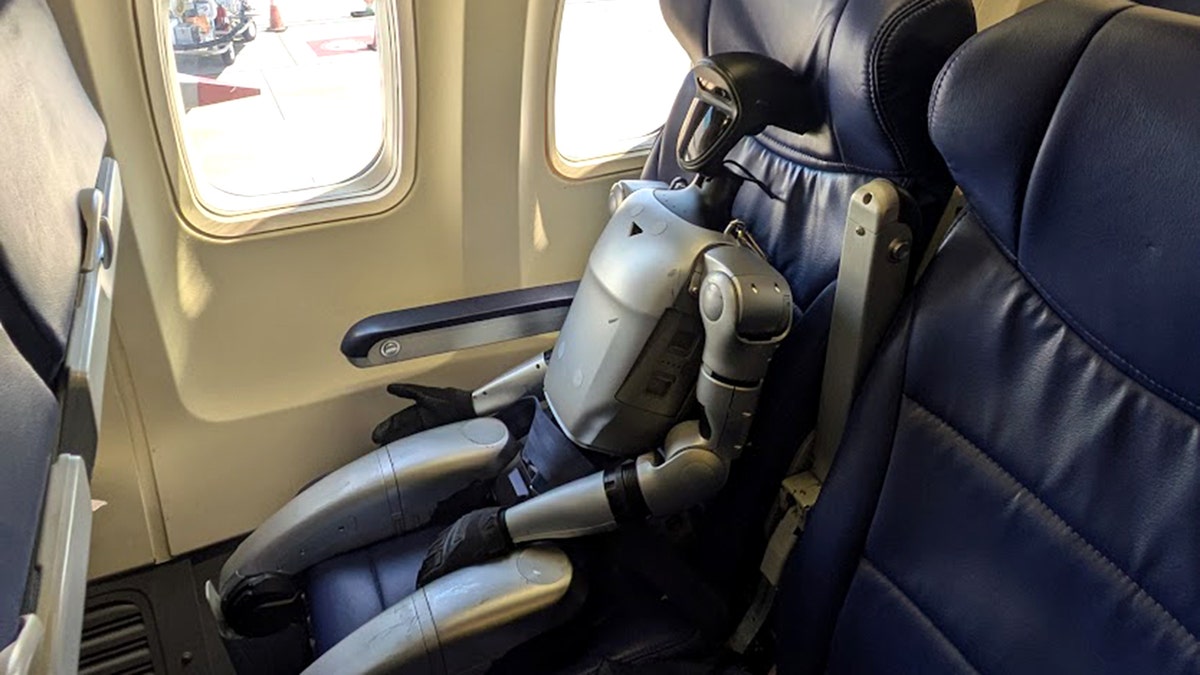
Although there was a delay due to its battery exceeding airline limits, Bebop still made it on board — with its very own seat.(Elite Event Robotics)
onelink.me/xLDS?pid=AppArticleLink&af_web_dp=https%3A%2F%2Fwww.
Japan Airlines recently began testing humanoid robots to assist with luggage atTokyo’s Haneda Airport,though early demonstrations suggested the technology still has limitations.
Matthew Reigle of OutKick contributed reporting.
![[aggregator] downloaded image for imported item #62427](https://newsview.top/wp-content/uploads/2026/04/marriott-hotel-niagara-falls-fox-news-001-1024x576.jpeg "Some Marriott guests tout Coke's new move as 'best ever' while Pepsi loyalists push back")
![[aggregator] downloaded image for imported item #62420](https://newsview.top/wp-content/uploads/2026/04/coast-guard-rescue-family-1024x576.jpeg "Coast Guard rescues family stranded for days in Pacific after boat failure sets them adrift")
![[aggregator] downloaded image for imported item #62412](https://newsview.top/wp-content/uploads/2026/04/woman-gives-birth-midair-sparks-citizenship-debate-1024x576.jpeg "Child born during international flight to US sparks heated debate about citizenship, legal identity")
![[aggregator] downloaded image for imported item #62668](https://newsview.top/wp-content/uploads/2026/04/ancient-egypt-scrolls-found-archaeology-history-discovery-1-1024x576.jpg "Valuable discovery in Egypt reveals 3,000-year-old scrolls with secret messages still unread")