
![[aggregator] downloaded image for imported item #72812](https://newsview.top/wp-content/uploads/2026/04/2-hiker-deaths-zion-national-park-1024x576.jpeg "2 mystery deaths at Zion National Park prompt urgent questions about visitor safety")
This post was originally published on this site.
After two hikers died within five days of one another atUtah’s Zion National Park, there is renewed discussion about the risks of hiking in the desert escape known for its red sandstone cliffs.
With cliffs soaring over 2,000 feet above the Virgin River, the views are known to be breathtaking.
But towering cliffs, narrow slot canyons and rappelling can present significant challenges, even for seasoned hikers.
NATIONAL PARK DEATH EXPOSES REPEATED RULE VIOLATIONS AS TOURISTS TAKE DANGEROUS RISKS
The first incident occurred on April 17, when Gilberto Ramos, 68, of Laredo, Texas, fell to his death while hiking the notoriously narrow Angels Landing Trail, a route known forits steep drop-offsand chain-assisted ridge, according to the National Park Service.
“Park rangers and local law enforcement agencies responded to the incident after receiving reports from visitors,�
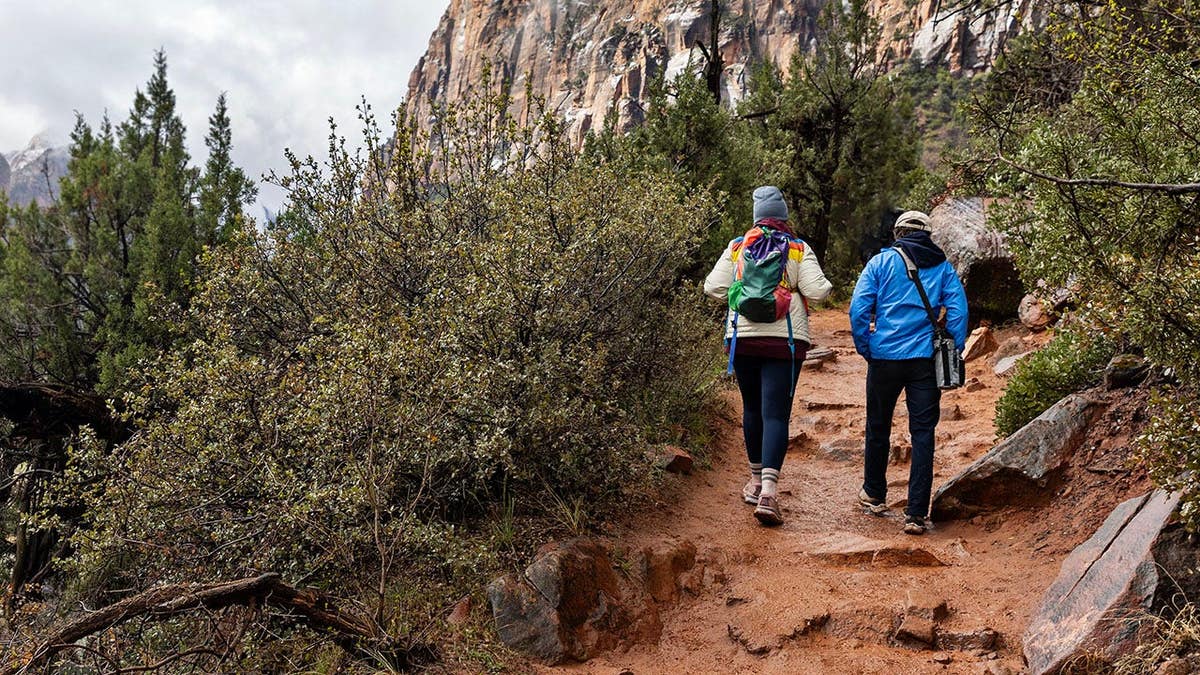
Towering cliffs, narrow slot canyons and popular rappelling present challenges, even for seasoned hikers.(iStock)
“The deceased was located on the north side of Angels Landing in Zion Canyon near Big Bend,” the NPS said.“Recovery operations concluded the evening of April 17, and the remains were transferred to the Washington County Sheriff’s Office and the State of Utah Office of the Medical Examiner.”
Angels Landing is regarded as one of the mostdangerous hikes in the U.S., with steep drop-offs where hikers must cling to chains along a knife-edge ridge, according to National Parks Traveler news outlet.
ISLAND CRACKS DOWN AS TOURISTS ARE SLAPPED WITH NEW FEES, FED-UP LOCALS REVOLT
Ramos’ death prompted a large-scaleemergency responseand temporary trail closures.
Authorities from the National Park Service, the Washington County Sheriff’s Office and local search-and-rescue teams all assisted — and the incident remains under investigation, Backpacker magazine reported.
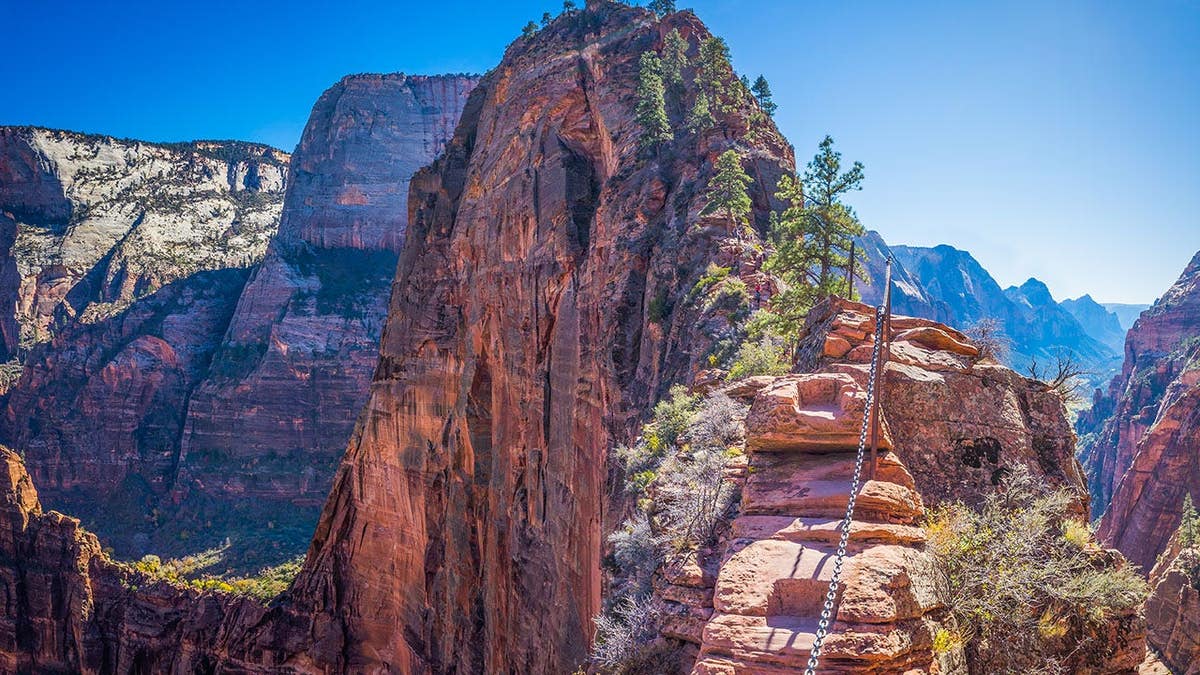
Angels Landing, pictured here, is regarded as one of the most dangerous hikes in the U.S.(iStock)
Less than a week later, a second tragedy unfolded.
On April 22, a 43-year-old man from Hillsborough, California, died while canyoneering in Spry Canyon.It is considered an easier route, but it does involve scrambling and rappelling, SFGate reported.
emergency medical response, but were unable to resuscitate the individual,�
“The incident is currently under investigation by NPS and the Washington County Sheriff’s Office, and we don’t have additional information to provide at this time.”
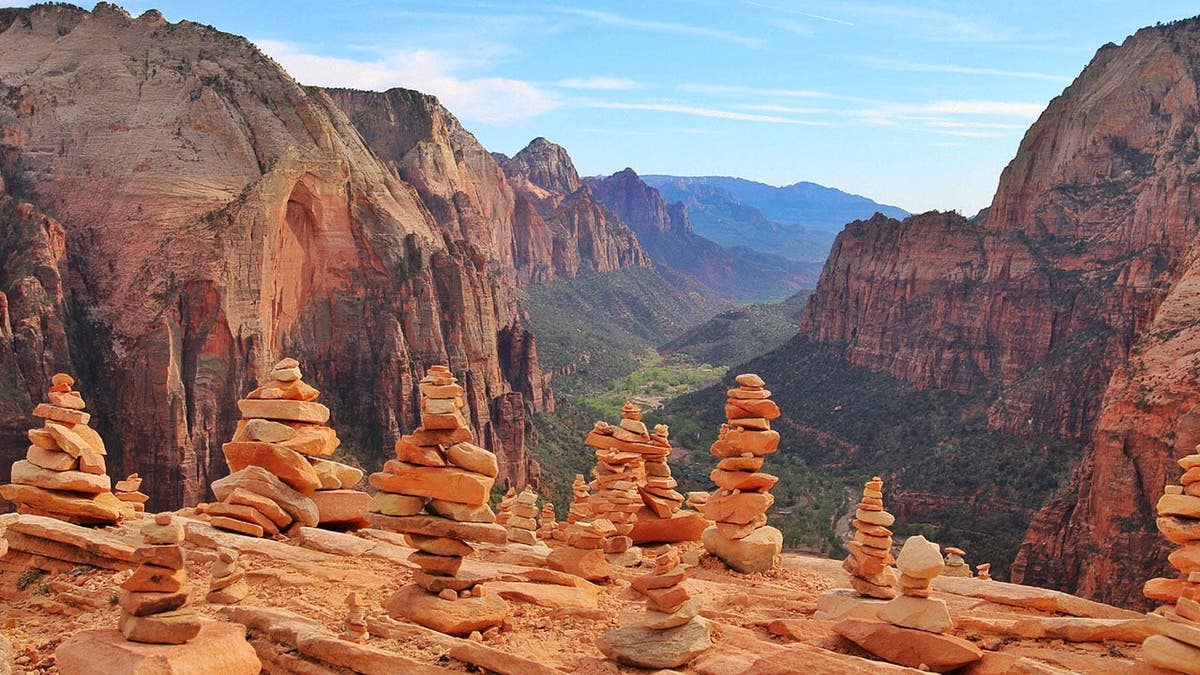
A man recently fell to his death while hiking in Zion National Park, shown above — prompting a large-scale emergency response.Less than a week after that, another emergency unfolded in the same park. (iStock)
The second hiker, who has not been publicly identified,was traveling aloneon a route considered beginner-friendly.Even so, it includes rappelling down cliffs as high as 165 feet, according to SFGate.
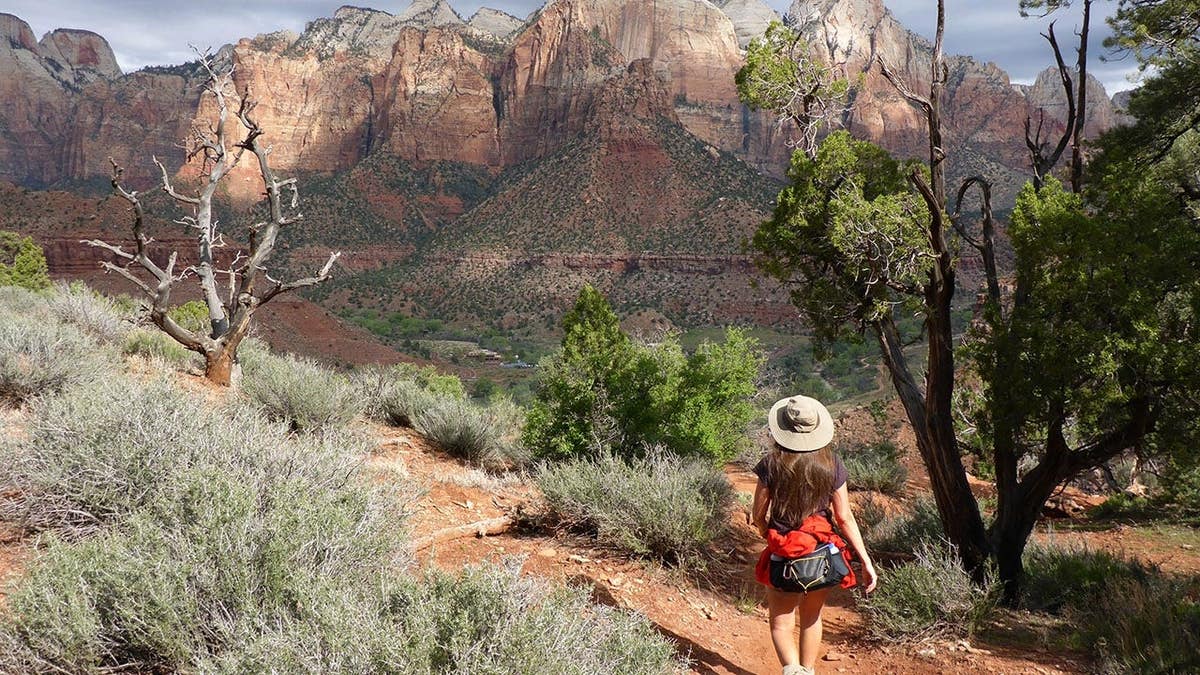
The family of the second hiker (not pictured) told officials the man knew the area and had been there a number of times, according to reports.(iStock)
“This is considered a low-level accidental fall, meaning he did not fall very far, unlike a fall from the height of Angels Landing, for example,” Alfred said.
Bill Wade, executive director of the Association of National Park Rangers, does not believe hiking deaths have increased in recent years.
TEST YOURSELF WITH OUR LATEST LIFESTYLE QUIZ
“Many of them are true accidents — the person making an error in judgment that results in the person falling or being in a place of jeopardy,�
He cited avalanches, rockfall, a falling river and getting “off route” as potential causes of hiking deaths or injuries.
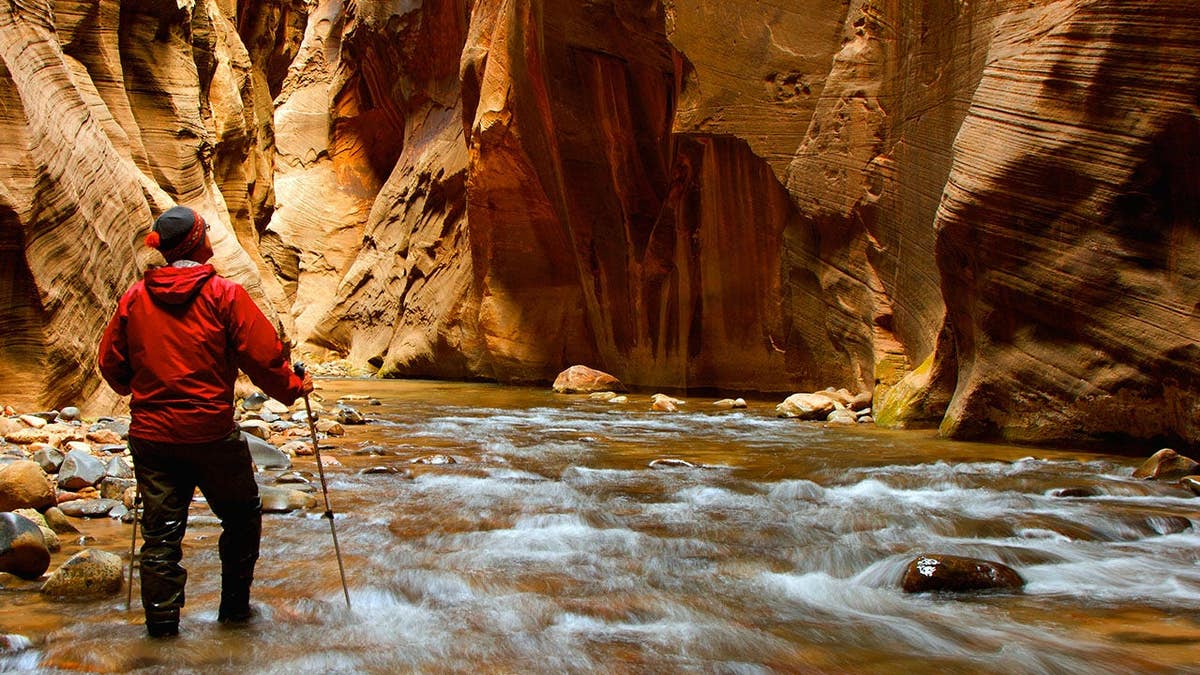
A National Park expert cited avalanches, rockfall, a falling river and getting “off route” as potential causes of hiking deaths.(iStock)
“I don’t think many are from operational or infrastructure issues at this time — but if staffing reductions continue, response time to emergencies is likely to be affected,” he said.
It’s impossible to eliminate every risk innational parks, Wade said.
onelink.me/xLDS?pid=AppArticleLink&af_web_dp=https%3A%2F%2Fwww.
“There will always be accidents,” he said, “and always the few visitors that will ignore signs and warnings and put themselves in jeopardy — some of whom will pay the ultimate price.”
![[aggregator] downloaded image for imported item #71213](https://newsview.top/wp-content/uploads/2026/04/NYC-AIR-TAXIS-JFK-NEW-YORK-CITY-2-1024x576.jpeg "Air taxis cut hour-long commutes to minutes, riders may be shocked by the price")
![[aggregator] downloaded image for imported item #71630](https://newsview.top/wp-content/uploads/2026/04/EGYPT-PELUSIUM-NORTH-SINAI-BIBLICAL-SIN-OLD-TESTAMENT-ARCHAEOLOGY-HISTORY-DISCOVERY-2-1024x576.jpeg "Ancient ritual complex unearthed at site tied to biblical city in Ezekiel: 'Still holds many secrets'")
![[aggregator] downloaded image for imported item #71623](https://newsview.top/wp-content/uploads/2026/04/fire-field-station-dinosaur-fox-news-001-1024x576.jpeg "Lightning strike turns 100-foot dinosaur into raging fireball, stunning onlookers")
![[aggregator] downloaded image for imported item #71616](https://newsview.top/wp-content/uploads/2026/04/route66-tulsa-sign-night-fox-news-001-1024x576.jpeg "Fox News' Steve Doocy travels Route 66, uncovers the stories that built America over a century")