
![[aggregator] downloaded image for imported item #64116](https://newsview.top/wp-content/uploads/2026/04/mike-waltz-unsc-iran-meeting-1024x576.jpg "US condemns Iran’s leadership role at UN nuclear conference as ‘beyond shameful’")
This post was originally published on this site.
The United States, joined by the United Arab Emirates and backed by concerns from key European powers, sharply condemned theUnited Nations’ decision Monday to grantIrana leadership post at a major nuclear treaty conference.
Iran’s selection as one of dozens of vice presidents at the monthlong review conference for the Nuclear Non-Proliferation Treaty reignited scrutiny over what critics say is a recurring pattern of Iran gaining procedural legitimacy inside international institutions despite longstanding concerns over its nuclear conduct.
The clash erupted as the 11th Review Conference of the Nuclear Non-Proliferation Treaty opened at U.N.headquarters in New York, where Iran was selected as one of 34 vice presidents through the Non-Aligned Movement bloc.
The conference includes 191 treaty parties and convenes every five years to review implementation of the pact aimed at preventing the spread of nuclear weapons.
IRAN SECURES UN ROLE WITH BACKING FROM UK, FRANCE, CANADA, AUSTRALIA AS US STANDS ALONE
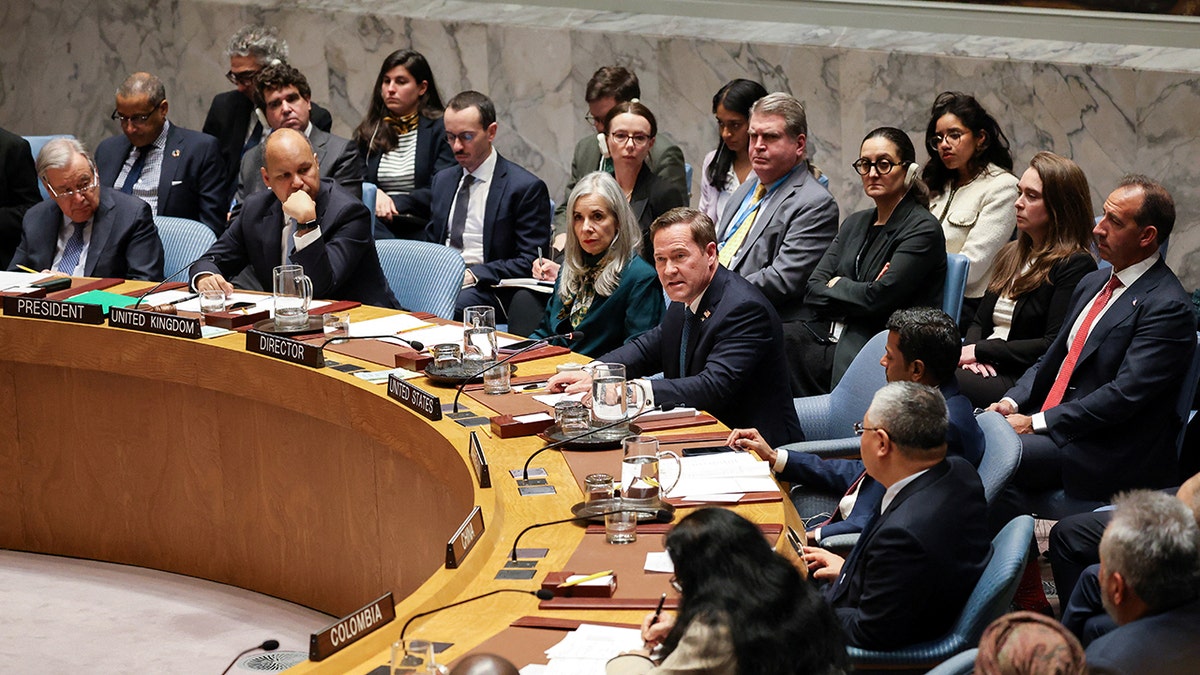
U.S.Ambassador to the United Nations Mike Waltz speaks during a United Nations Security Council meeting, after the U.S.and Israel launched strikes on Iran, at U.N.headquarters in New York City, Feb.28, 2026.(Heather Khalifa/Reuters)
For the administration, the symbolism was immediate and explosive.
“Rather than choosing to use this review conference to defend the integrity of the NPT and call Iran to account, we instead elect Iran a vice president,” Christopher Yeaw, U.S.assistant secretary forarms controland nonproliferation, told delegates.“It is beyond shameful and an embarrassment to the credibility of this conference.”
The UAE andAustraliapublicly backed the American objection, while Britain, France and Germany also expressed concern, marking a broader coalition than in earlier U.N.disputes where the U.S.often stood largely alone in challenging Iran’s procedural elevation.
On April 13, the United Nations Economic and Social Council (ECOSOC), a 54-member body that plays a central role in shaping U.N.policy and staffing key committees, nominated the Islamic Republic of Iran to the U.N.’s Committee for Program and Coordination, whichhelps shape policy on humanrights, women’s rights, disarmament and counterterrorism, with the United States the only country to formally object.
IRAN VASTLY INCREASED NUCLEAR FUEL STOCKPILE AHEAD OF TRUMP RETURN, UN AGENCY FINDS
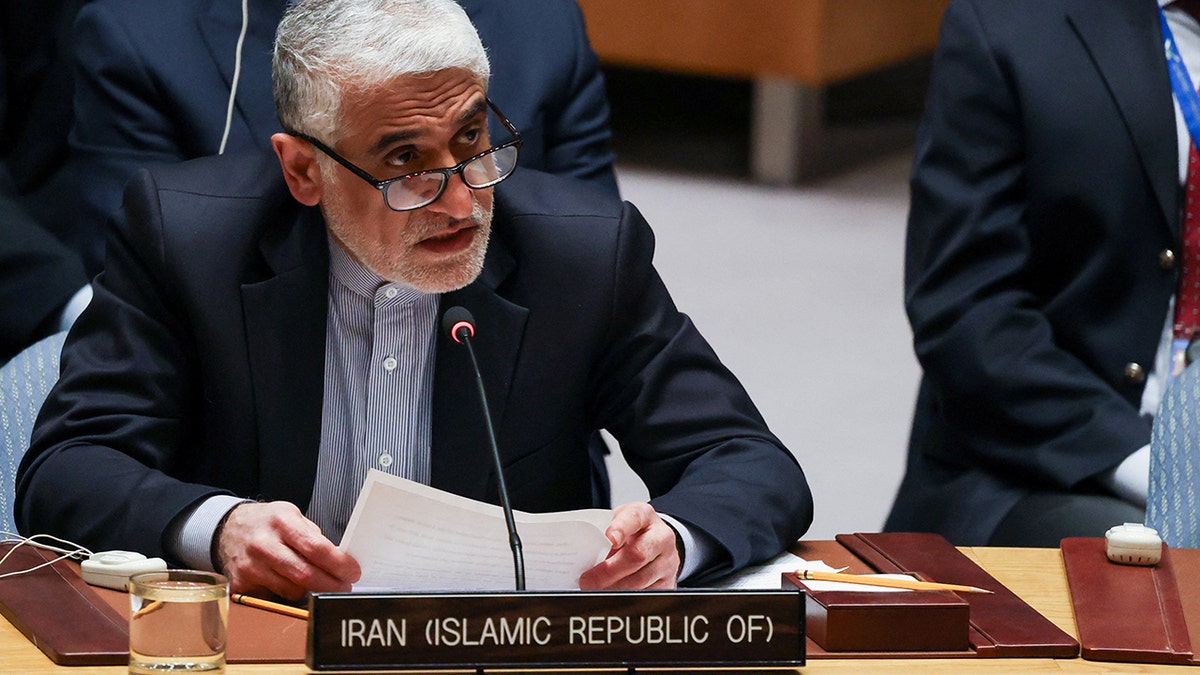
Iran’s Ambassador to the United Nations, Amir-Saeid Iravani, attends a United Nations Security Council meeting at U.N.headquarters in New York City on Feb.28, 2026, following U.S.and Israeli strikes on Iran.(Heather Khalifa/Reuters)
During Monday’s debate, Iranian envoy Reza Najafi rejected the criticism as “baseless and politically motivated,” accusing the U.S.of hypocrisy and pointing to America’s nuclear history while defending Tehran’s right to peaceful nuclear development.Russiaalso defended Iran, with Ambassador-at-Large Andrey Belousov objecting to what he called the politicization of the conference.
U.N.�is not involved in any way in the election of Member States to leadership roles in various conferences or legislative bodies.”
“Member States are responsible for electing other Member States, and they must be accountable for the results of these elections,” Dujarric said.
He added that the U.N.’s focus remains on the broader nuclear threat rather than the procedural controversy surrounding Iran’s appointment.
“We strongly encourage all Member States participating in the Nuclear Non-Proliferation Treaty Review Conference to focus on what is most important: stopping the spread and threat of nuclear weapons, which remains a global threat,” he said.
Iran’s appointment comes amid heightened international concern over Iran’s nuclear trajectory.Western governments and theInternational Atomic Energy Agencyhave raised alarms over Iran’s enrichment of uranium to near weapons-grade levels and disputes over inspections, while Tehran insists its program is strictly civilian.
Critics say the controversy exposes a structural contradiction at the heart of the U.N.system: geopolitical blocs can elevate states under scrutiny into positions of procedural authority, even at conferences dedicated to the very norms those states are accused of violating.
onelink.me/xLDS?pid=AppArticleLink&af_web_dp=https%3A%2F%2Fwww.
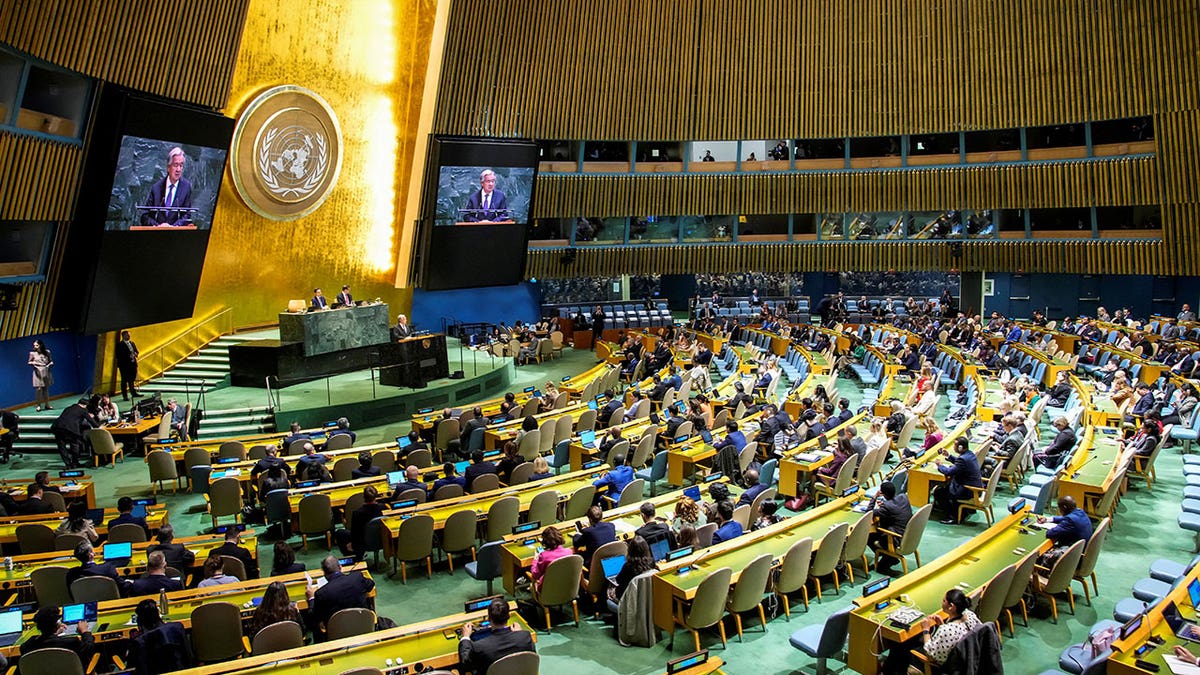
United Nations Secretary-General Antonio Guterres speaks to delegates during a meeting on Nuclear Non-Proliferation Treaty at U.N.headquarters in New York City, U.S., April 27, 2026.(Eduardo Munoz/Reuters)
The last NPT review conference in 2022 failed to produce a consensus document after Russia blocked the agreement, underscoring how great power divisions have increasingly paralyzed the treaty’s review process, according to The Associated Press.
“This is part of a disturbing trend,” Neuer said.“Iran has been accumulating senior roles across the U.N.system, from human rights bodies to key committees.Each appointment chips away at the credibility of international institutions, reinforcing the perception that political deal-making outweighs basic standards of conduct.”
Reuters and the Associated Press contributed to this report.
![[aggregator] downloaded image for imported item #58427](https://newsview.top/wp-content/uploads/2026/03/charles-camilla-1024x576.jpg "King Charles to visit US in landmark trip marking America's 250th birthday")
![[aggregator] downloaded image for imported item #58697](https://newsview.top/wp-content/uploads/2026/04/trump-italian-prime-minister-1024x576.jpg "More key US allies block military flights as Iran war rift widens with Trump")
![[aggregator] downloaded image for imported item #58690](https://newsview.top/wp-content/uploads/2026/04/nigeria-troops-1024x576.png "Gunmen on bikes storm Nigeria village on Palm Sunday, killing at least 20")
![[aggregator] downloaded image for imported item #58683](https://newsview.top/wp-content/uploads/2026/04/rubio-vance-1024x576.jpg "Iran moderates pushing Trump deal risk being ‘eliminated’ as regime fractures deepen")