
![[aggregator] downloaded image for imported item #67516](https://newsview.top/wp-content/uploads/2026/04/senior-man-hearing-loss-fox-news-001-1024x576.jpeg "Common ear conditions tied to rising dementia risk in new study: 'Strong association'")
This post was originally published on this site.
Common and treatable ear conditions may be associated with a higher risk of dementia, according to new research.
A study from Columbia University investigated howmiddle-ear problemsthat may cause conductive hearing loss are linked to the brain disorder.
The research, published in the Journal of Otolaryngology – Head and Neck Surgery, analyzed a large dataset from the National Institutes of Health, including more than 300,000 U.S.adults.
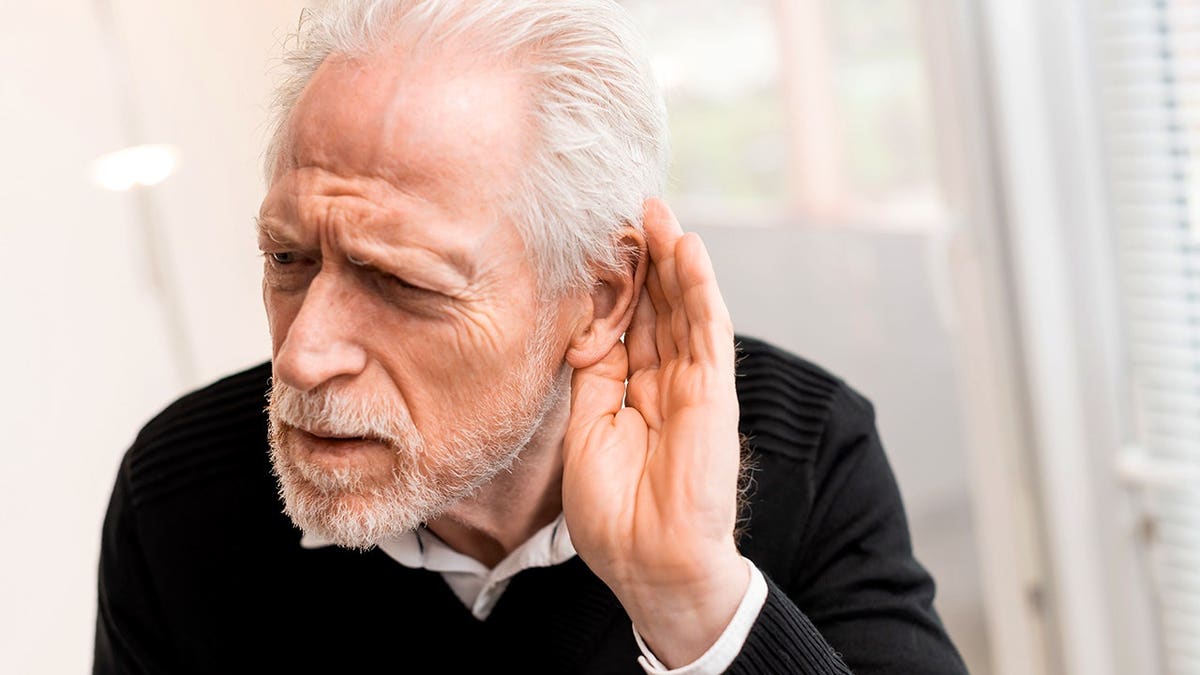
Treatable ear conditions, which can cause hearing loss, may also be associated with dementia risk.(iStock)
After comparing dementia diagnoses in people with these conditions, the researchers found that cholesteatoma was linked to 1.77 times the odds of the cognitive disorder, and eardrum perforation was linked to more than twice the risk.
onelink.me/xLDS?pid=AppArticleLink&af_web_dp=https%3A%2F%2Fwww.
Otosclerosis was not found to be significantly associated with dementia.
Dementia risk associated with cholesteatoma and eardrum perforation slightly decreased whensurgical treatmentwas performed, according to the study.

Researchers say these findings suggest that correctable conditions could decrease dementia risk.(iStock)
These findings add to existing evidence that “cognition is impacted by sensory deprivation,” but also suggest that some of the causes are treatable, which could reduce dementia risk, the authors wrote.
observational in design, meaning it shows an association between ear conditions and dementia, but cannot prove that one causes the other.
Marc Siegel noted that dementia is not the cause of hearing loss, but that there appears to be a “strong association the other way around.”

“Without the ability to hear, you are more shut off from the world and more likely to develop dementia as a result,” a doctor says.(iStock)
Siegel noted that these findings coincide with previous evidence revealing that the more a person is “engaged in the world” socially, the less likely they are todevelop dementia.
“It’s almost as if the brain is a social muscle that needs to be exercised,�“Without the ability to hear, you are more shut off from the world and more likely to develop dementia as a result.”
TEST YOURSELF WITH OUR LATEST LIFESTYLE QUIZ
![[aggregator] downloaded image for imported item #66840](https://newsview.top/wp-content/uploads/2026/04/vickie-doogan-dolly-1-1024x576.jpeg "Woman’s cancer battle takes unbelievable turn when her dog gets same diagnosis")
![[aggregator] downloaded image for imported item #66841](https://newsview.top/wp-content/uploads/2026/04/vickie-doogan-dolly-1024x576.jpeg "Woman’s cancer battle takes unbelievable turn when her dog gets same diagnosis")
![[aggregator] downloaded image for imported item #67025](https://newsview.top/wp-content/uploads/2026/04/leftover-pasta-hack-woman-eating-1024x576.jpg "Experts reveal why 'nonnamaxxing' trend may improve mental, physical health")
![[aggregator] downloaded image for imported item #67266](https://newsview.top/wp-content/uploads/2026/04/man-eating-lunch-outdoors-fox-news-001-1024x576.jpeg "High salt intake linked to faster memory decline in one group, study finds")