
![[aggregator] downloaded image for imported item #58810](https://newsview.top/wp-content/uploads/2026/04/edward-ed-waldner-dr.-gloria-roldan-urgoiti-and-dr.-wee-yong-2048x1245-copy-1024x576.jpg "Aggressive brain cancer may respond to high-dose vitamin therapy, study suggests")
This post was originally published on this site.
High-dosevitamin B3(niacin) may enhance immune activity and improve short-term disease control in glioblastoma when added to standard therapy, according to early preclinical studies.
Glioblastoma is a highly aggressive, fast-growingbrain cancerthat develops from cells in the brain and spinal cord.
In previous laboratory experiments in mice, niacin was shown to extend survival.Researchers at the University of Calgary aimed to determine whether that same benefit extended to humans.
COMMON BLOOD PRESSURE PILL COULD MAKE CERTAIN CANCER TREATMENTS MORE POWERFUL
The trials included 24 patients with glioblastoma, which has a median survival of roughly 12 to 18 months.
Six months after receiving niacin in addition tostandard treatments(surgery, radiation and chemotherapy), 82% of the patients showed no disease progression, compared to the typical 54%, according to the study’s press release.
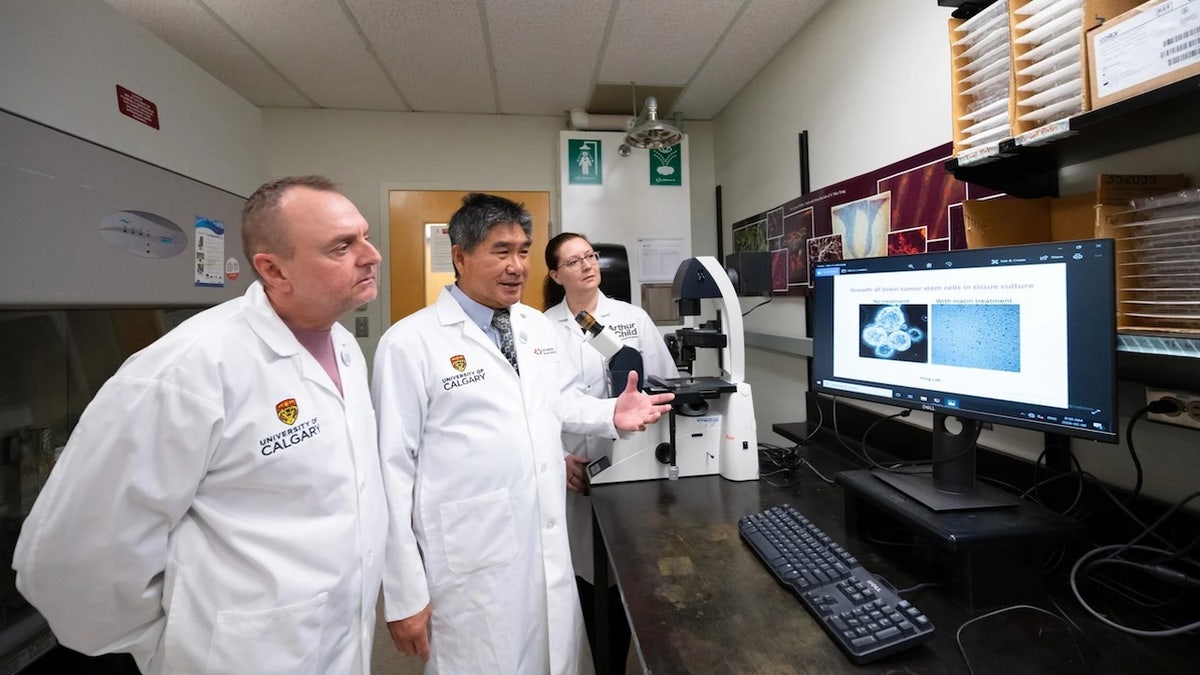
Left to right: Edward (Ed) Waldner (study participant), Dr.Wee Yong, PhD, (scientist), Dr.Gloria Roldan Urgoiti, MD, (oncologist)(Riley Brandt, University of Calgary)
Niacin was also found to restore function in weakened immune cells, improving their ability to target and destroytumor cells.
The findings, including the 28% improvement in disease progression, were published in the Journal of Neuro-Oncology.
immune cellsso they can do what they are supposed to do: attack and kill the cancer cells.I see it as an ongoing ‘battle for the brain.’”
Looking ahead, the team plans to enroll an additional 24 patients by the end of 2026 or early 2027 for the next phase of the trial, which will assess niacin’s safety and immune system activation.
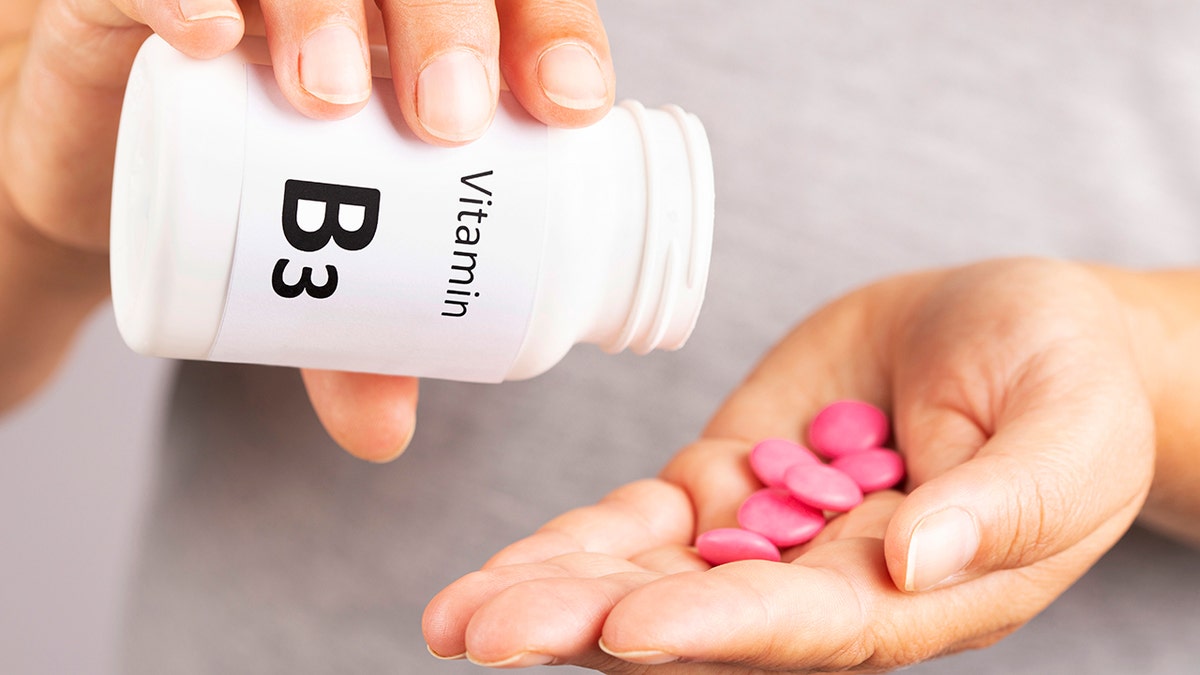
Niacin was found to restore function in weakened immune cells, improving their ability to target and destroy tumor cells.(iStock)
Dr.
“Vitamins, including vitamin B vitamins (especially niacin), are underrecognized asimmune boosters,�
randomized control groupalso posed limitations, the researchers acknowledged.

The researchers cautioned that high doses of vitamins can pose health risks, and that usage should be monitored by doctors.(iStock)
Larger, controlled trials are needed to confirm the findings, they said.
The researchers also cautioned that high doses of vitamins can posehealth risks, and that usage should be monitored by doctors.
TEST YOURSELF WITH OUR LATEST LIFESTYLE QUIZ
Siegel agreed that niacin does have some side effects, including skin blushing.
“There probably will end up being a small impact here, so this is useful information, though clearly not a cure,” he added.
![[aggregator] downloaded image for imported item #41500](https://newsview.top/wp-content/uploads/2026/02/man-brushing-tteth-1024x576.jpg "Simple brushing routine could reduce dementia risk, say dental health experts")
![[aggregator] downloaded image for imported item #41842](https://newsview.top/wp-content/uploads/2026/02/people-taking-supplements-diabetes-1024x576.jpg "Some supplements may pose risks for people with diabetes, experts say")
![[aggregator] downloaded image for imported item #42218](https://newsview.top/wp-content/uploads/2026/02/neurologist-brain-scan-1024x576.jpg "Blood test could predict when Alzheimer's symptoms will start years in advance")